The story
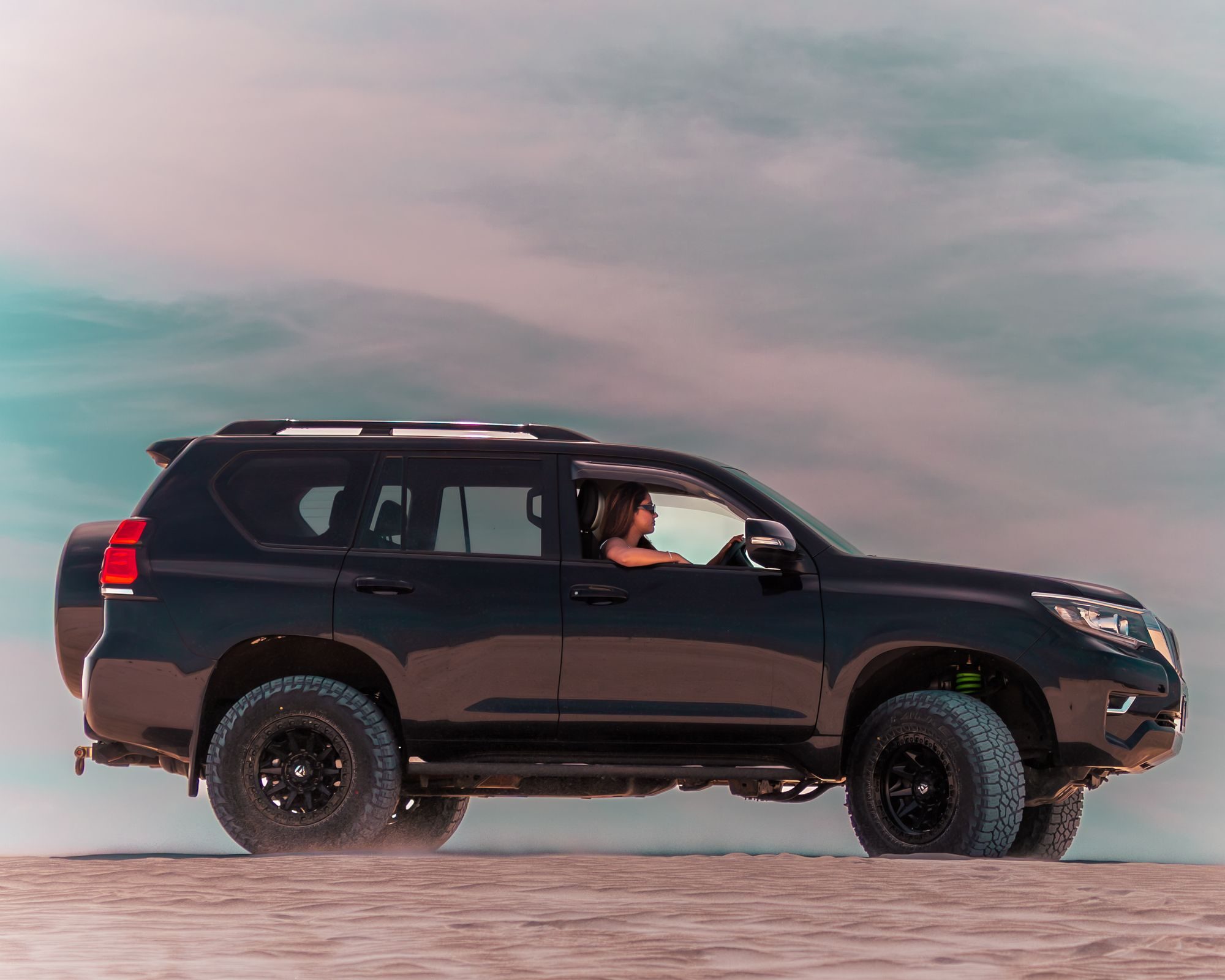
The fourth-generation Prado went on sale in Japan on 14 September 2009 and stayed in production until October 2023, which is long enough to outlast most of the cars it was meant to compete with. Underneath is Toyota's F2 ladder-frame platform, shared with the 5th-gen 4Runner and the FJ Cruiser. America never got a Toyota-badged one. It got the GX 460 instead, which is the same truck with a V8, softer leather and a Lexus price.
MORE ELECTRONICS, SAME FRAME
Toyota's launch release talked about two things: a stiffer version of the traditional full frame, and a lot of new off-road electronics. The 150 introduced KDSS with a new electric accumulator to free up the anti-roll bars, Crawl Control with five speed settings, Multi-Terrain Select, and what Toyota called the world's first Multi-Terrain Monitor, a set of cameras that show the ground around the wheels. A display in the gauges even tells you which way the front wheels are pointing when you've lost track on a rock step.
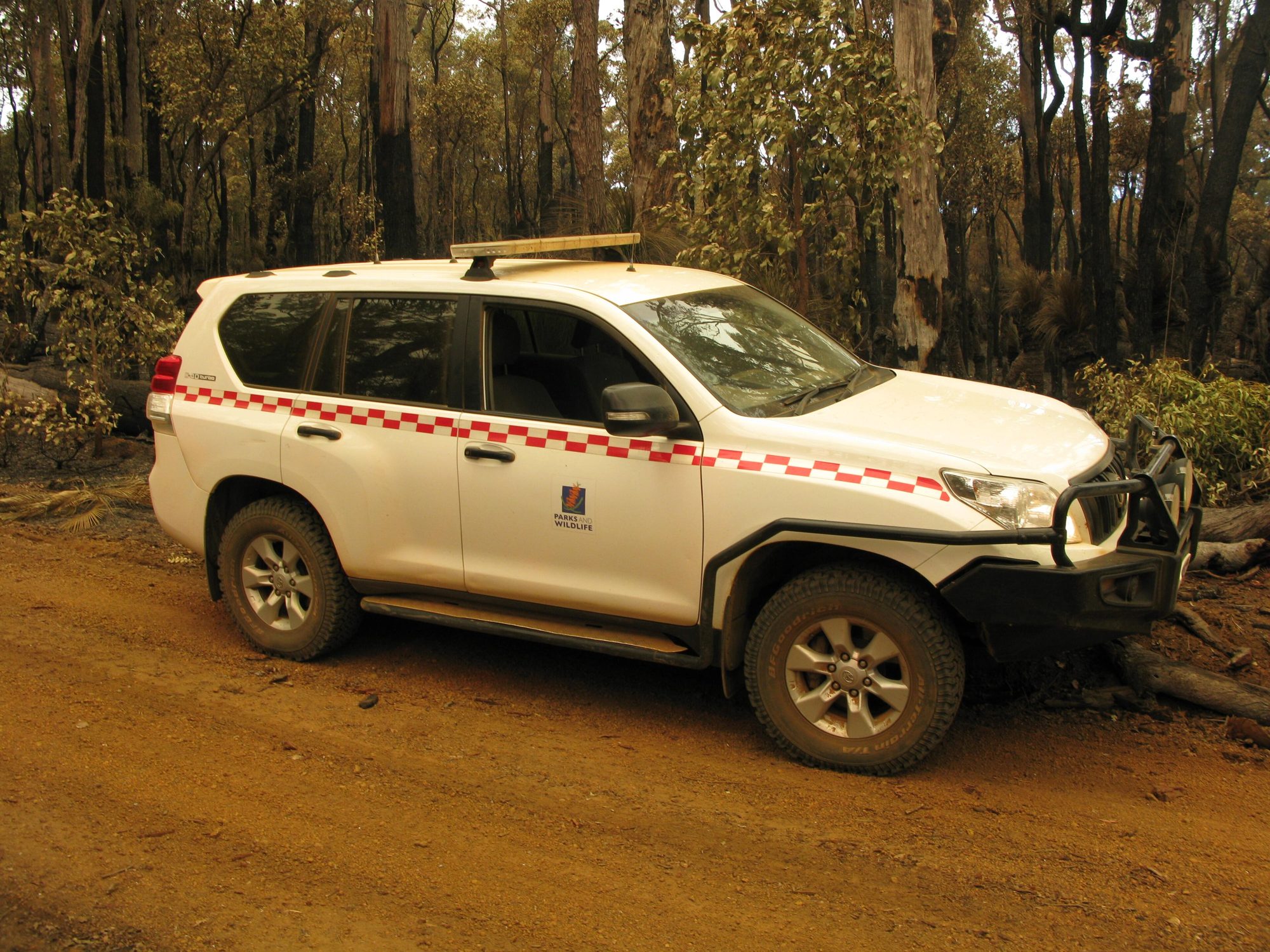
There were five-door and three-door bodies (the short one is the J155), and the engine list depended on where you lived: the 2.7-litre 2TR-FE four and 4.0-litre 1GR-FE V6 petrols, and the 3.0-litre 1KD-FTV turbo-diesel. Japan dropped the three-door at launch. Australia kept it as the SX and ZR until the 2013 facelift, when slow sales killed it. Some markets put the spare under the floor and others hung it on the tailgate, freeing space for a 63-litre auxiliary tank alongside the 87-litre main one.
THREE FACELIFTS AND A NEW DIESEL
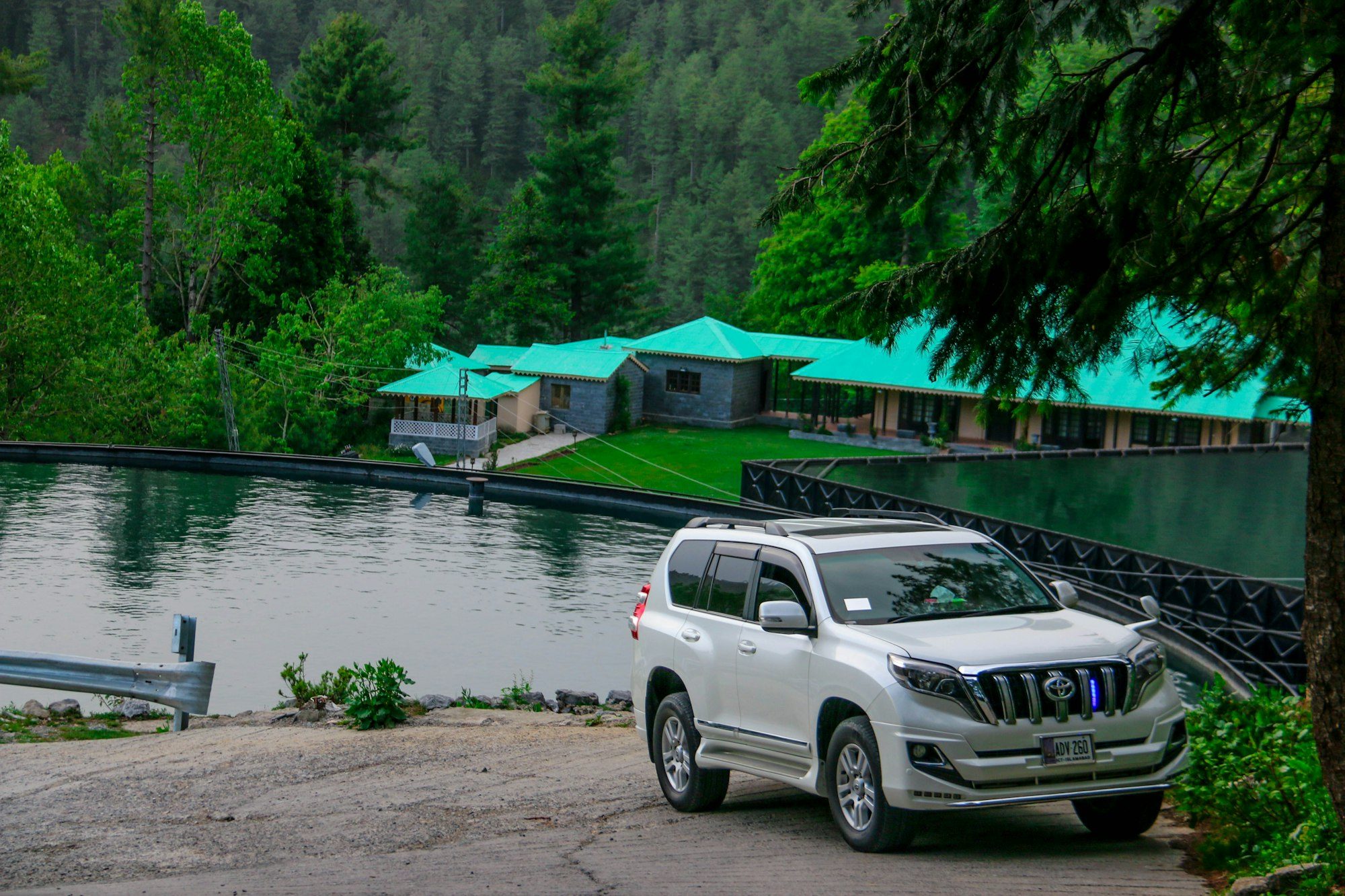
The first facelift arrived in Japan on 10 September 2013 and in Australia that October: a bigger grille, new bumpers and lamps, LED low beams on upper grades, retuned suspension and a fifth Multi-Terrain Select mode. In June 2015 the 1KD-FTV was replaced by the 2.8-litre 1GD-FTV (130 kW and 450 Nm in Australian trim), the V6 gained dual VVT-i, and both moved to the six-speed Aisin AC60F automatic. The 1GD also brought a diesel particulate filter, which became the defining problem of this generation.
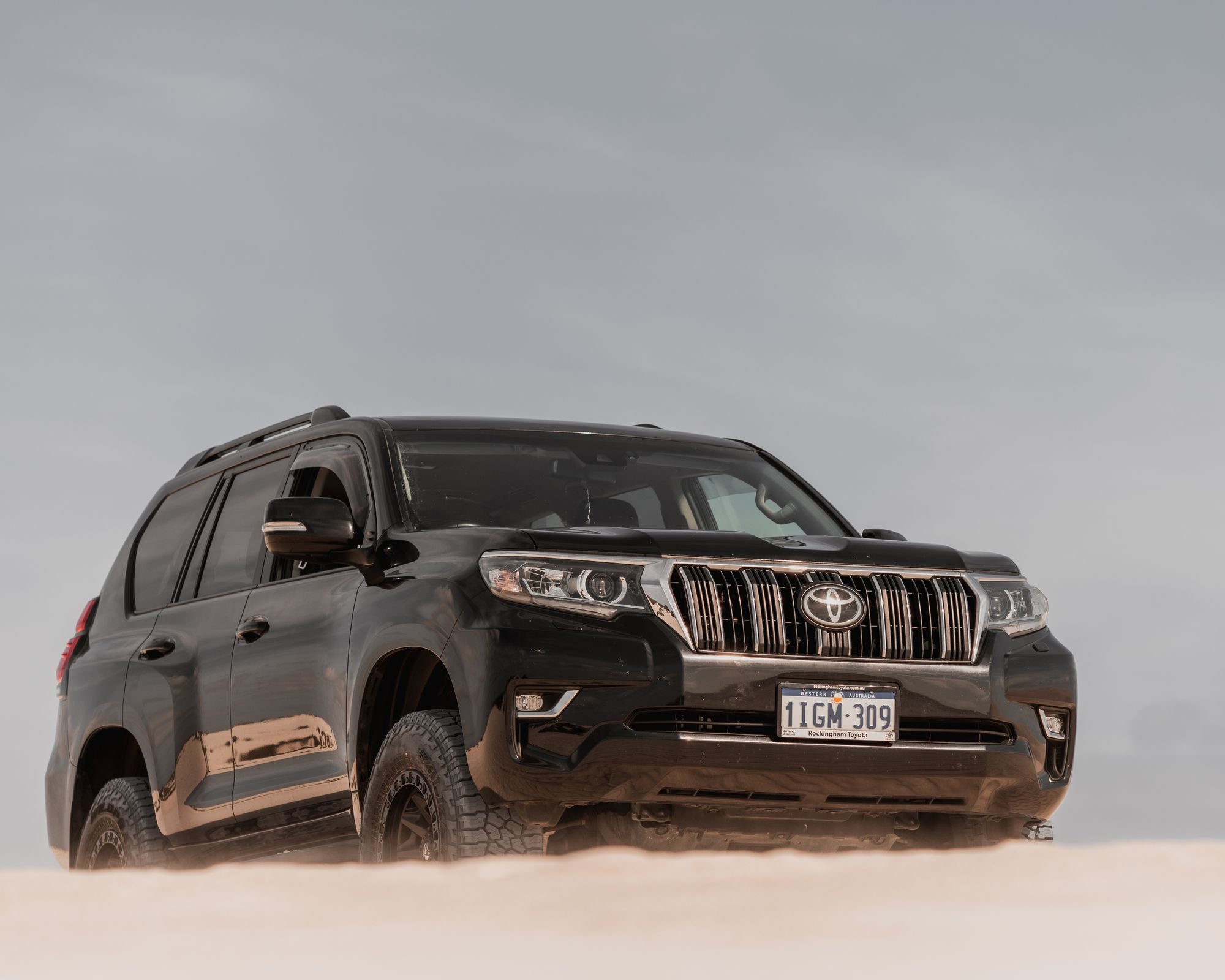
The second facelift landed on 12 September 2017 in Japan, Europe and Australia, with a new face and, in Japan, LED headlights and Toyota Safety Sense as standard. Australia kept the V6 until that point. The last big update came in August 2020: a ball-bearing turbo and revised internals took the 1GD-FTV to 150 kW and 500 Nm, braked towing went to 3,000 kg, the manual gearbox was dropped, and a 9-inch screen finally brought Apple CarPlay and Android Auto.
THE DPF YEARS
On paper the 1GD was the better engine. In practice, Prados, HiLuxes and Fortuners with the new diesels built in the DPF era gained a reputation for filters that failed to regenerate, clouds of white smoke and a foul smell. Toyota made a manual regeneration switch standard from June 2018 and developed a hardware and software repair in May 2020, but owners went to court anyway. The case ran for seven years (see the sidebar) and ended in a $750 million settlement agreed in October 2026.
The older engine has its own story. Unsealed 4X4 says the 1KD-FTV's injector seat washers could fail and, combined with weaker piston crowns than earlier engines, crack a piston. Toyota's advice became: don't tune it, service the injectors around every 100,000 km and don't work it hard for long periods. Both stories are known, though, and both have fixes, which is why a well-documented 150 still sells quickly.
HOW IT ENDED
By the time the 150 bowed out, Toyota Australia said it had sold more than 320,000 Prados there since 1996, and the Prado had been the country's best-selling large SUV in ten of the previous twelve years. It was replaced by the boxy J250 Prado, sold in the US as the 250 Series Land Cruiser, which moved to the TNGA-F platform.
That leaves the 150 as the last Prado on the old F2 frame, and the most common one on the touring trails of Australia, Africa and the Middle East. In America it's still a gray-market curiosity. The earliest trucks don't turn 25 until late 2034, so for now the closest you can legally get is a GX 460.
SIDEBAR · WILLIAMS V TOYOTA
The seven-year DPF class action
The class action began in 2019 on behalf of buyers of 2.8-litre 1GD-FTV and 2.4-litre 2GD-FTV HiLux, Prado and Fortuner models, 264,170 vehicles sold between October 2015 and April 2020. In April 2022 Justice Michael Lee of the Federal Court found the vehicles weren't of acceptable quality under Australian Consumer Law and put the loss in value at 17.5% of the average retail price. Carsales reported that this could mean more than $7,000 per owner.
The Full Federal Court cut that to 10% in March 2023. In November 2024 the High Court overturned the cut and sent the case back for reassessment. In October 2026 Toyota agreed to a $750 million settlement, subject to court approval, covering the original claim and a second action for later private buyers. If you're shopping for a 2015–2020 diesel, ask whether the 2020 exhaust and software fix has been done.