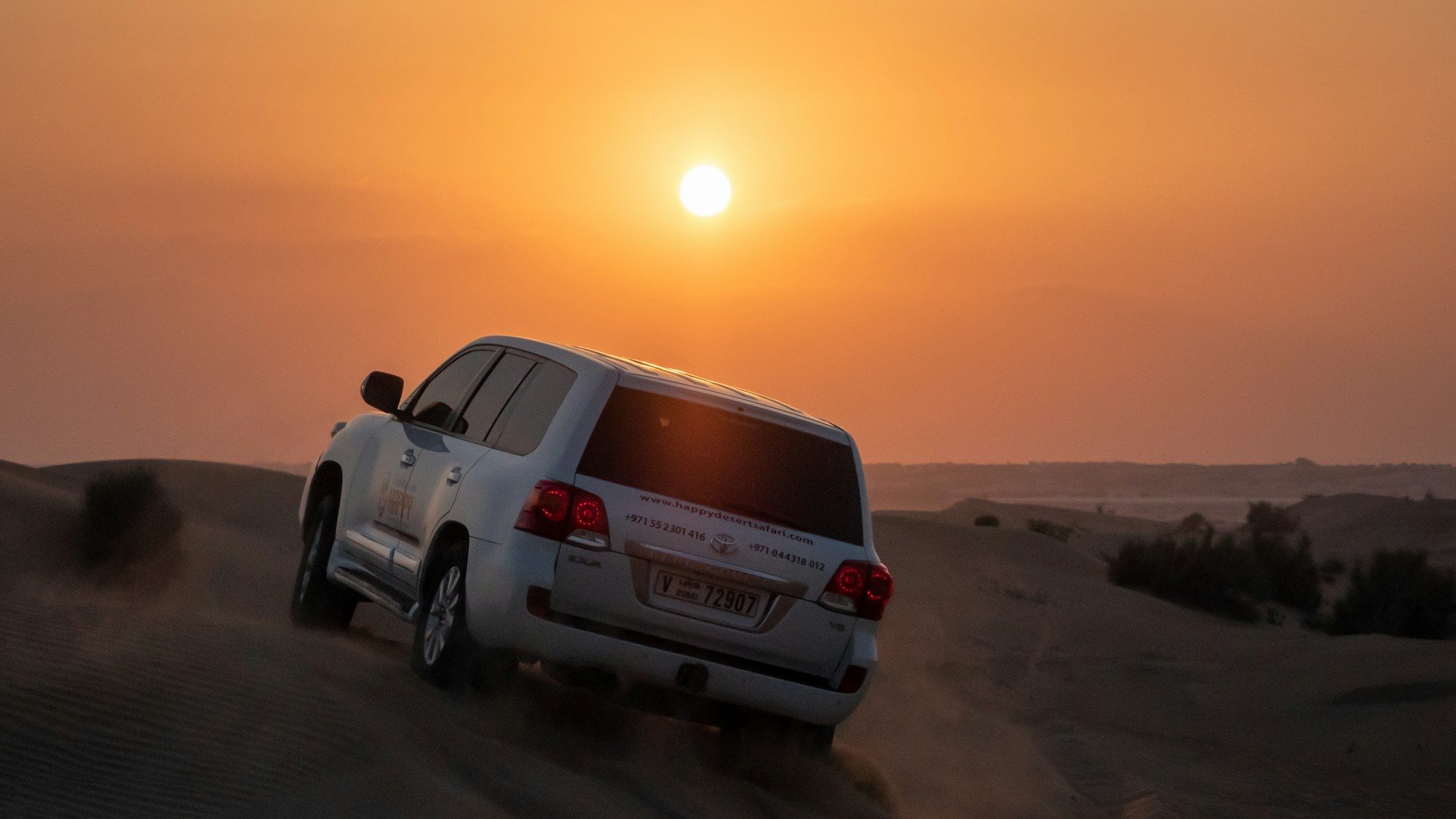
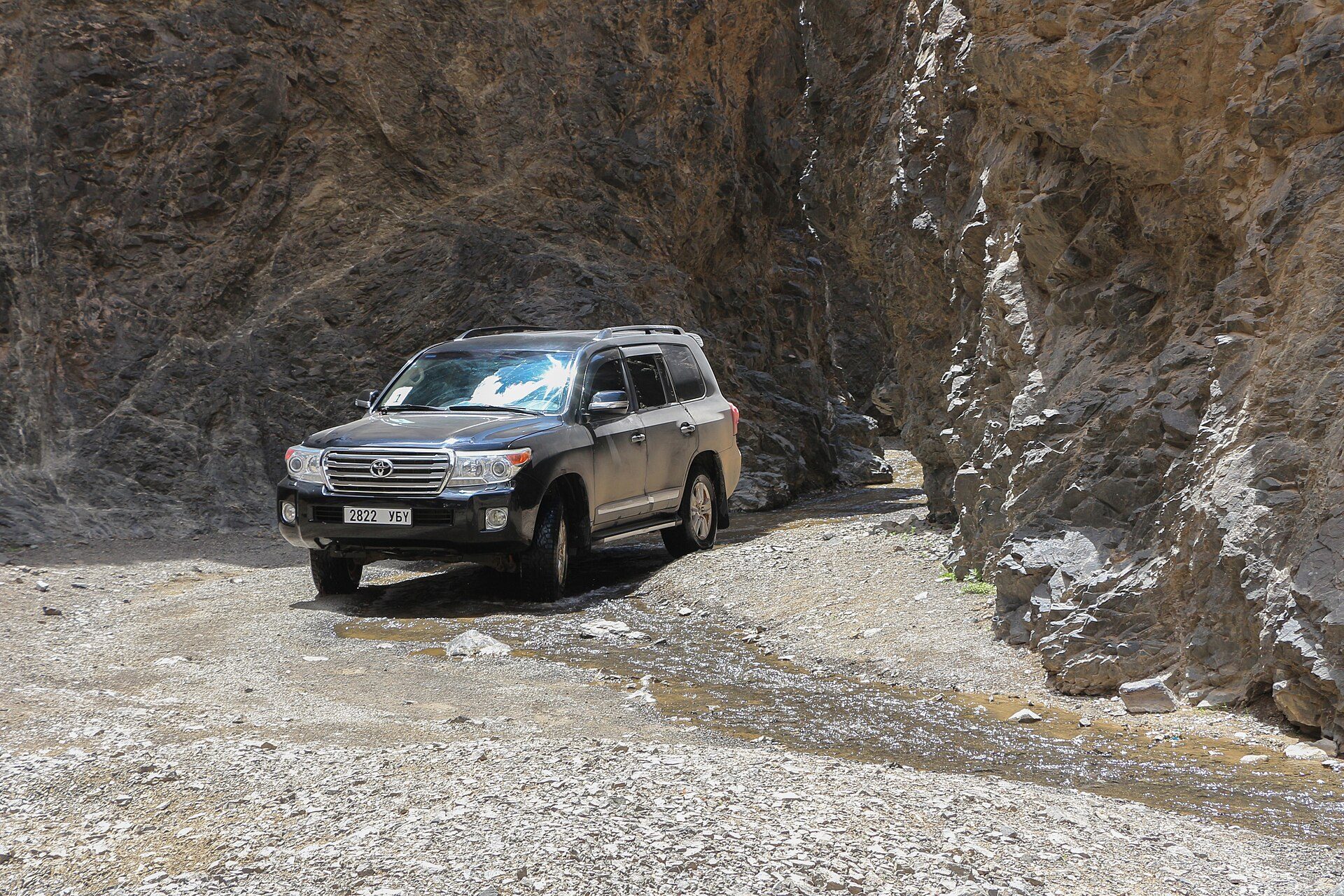
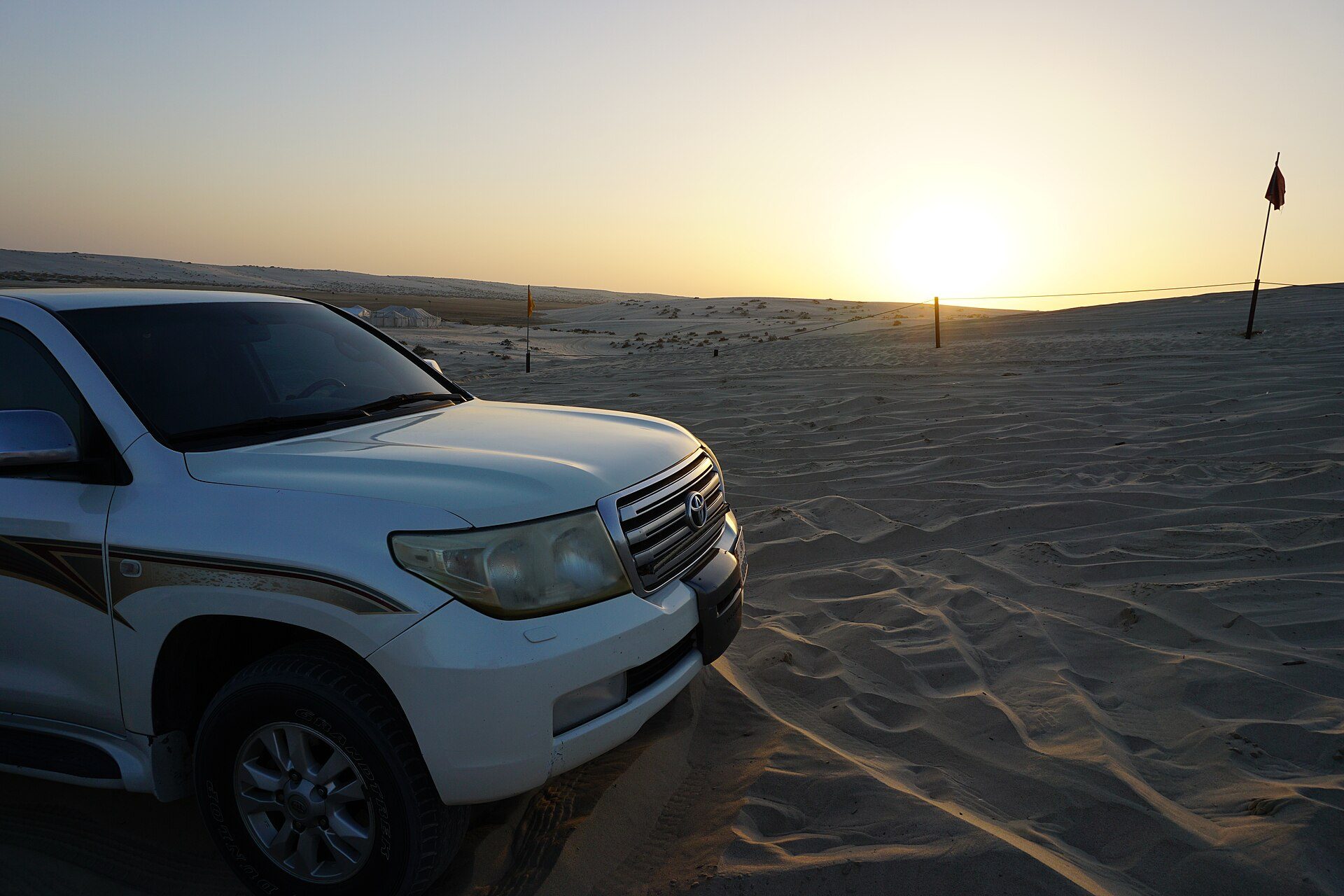
The story
Toyota launched the 200 Series in late 2007 with a new frame and platform, bigger brakes, a strengthened front suspension, skid plates and roof pillars redesigned for rollover protection. In the US it came with one engine, the 5.7-liter 3UR-FE V8 at 381 hp, in a single trim level. Sadayoshi Koyari, the lead engineer known as 'Mr Land Cruiser', famously called it (as Unsealed 4X4 recounts) 'the strongest Land Cruiser ever produced by Toyota.' Fourteen years later Toyota pulled the Land Cruiser from North America, and the 200 became the last full-size Land Cruiser wagon sold there.
A FIVE-YEAR PLAN
Work on a successor to the 100 Series began in 2002 under Koyari and Tetsuya Tada. A production design was settled in 2004, ten years after the 100's, and prototypes were tested for more than two years, from 2004 to early 2007. Production started in September 2007 at Toyota's Yoshiwara and Tahara plants. In Venezuela it went on sale that November under the nickname 'Roraima', after Mount Roraima.
Underneath, it shared its platform with the Lexus LX 570 and was related to the Tundra and Sequoia of the same era. The global range was huge: a 4.0 V6, three petrol V8s and the 4.5-liter 1VD-FTV twin-turbo diesel V8, a twin-turbo version of the engine in the 70 Series. Unsealed 4X4 says the diesel made up about 90 percent of 200 sales in Australia.
ELECTRONICS THAT EARN THEIR KEEP
The 200 brought a set of off-road aids no previous Land Cruiser had. CRAWL works like off-road cruise control, holding a slow, steady speed with throttle and brakes. There was also Downhill Assist Control, a multi-terrain ABS calibration, and KDSS, the Kinetic Dynamic Suspension System, which frees up wheel articulation off-road while keeping body roll in check on the highway. US trucks used an AB60F six-speed automatic, a JF2A full-time transfer case and 3.90 gears.
There was no 2012 model year in the US. Slee notes that 2011 production ran late and the 2013s started early. The 2013 facelift added Multi-Terrain Select with five modes, Turn Assist for tight trails, and front, side and rear cameras. For 2016 came the biggest change: an AE80F eight-speed automatic, taller 3.30 gears, larger front brakes, Toyota Safety Sense and new styling front and rear.
HOW IT ENDED
To mark 60 years since the FJ40, Toyota built the Heritage Edition for 2020 and 2021. It was a two-row truck in black or white with bronze BBS forged wheels, a Yakima MegaWarrior basket, no running boards and a vintage Land Cruiser badge on the rear pillars. Wikipedia puts the 2020 run at 1,200 trucks. In December 2020 Toyota told Road & Track the Land Cruiser would leave North America after 2021, and production ended in March 2021.
Elsewhere the 300 Series took over. Americans waited until 2024, when the name came back on the smaller, Prado-based 250 Series. The LX 570 also ended in 2021, and Lexus replaced it with the LX 600. For American buyers who want a big V8 Land Cruiser wagon with a frame under it, the 200 is the last one.
SIDEBAR · NINE IN A ROW
The 200 Series at the Dakar Rally
Team Land Cruiser Toyota Auto Body raced the 200 in the Dakar Rally's Group T2 production class from 2009 to 2022. T2 is for production-based vehicles, so these were recognizably showroom Land Cruisers, the diesel VDJ200 in recent years, not purpose-built prototypes.
From 2014 to 2022 the team won the class nine years in a row. For a truck that often ended up in suburban school lines, that's a remarkable record.