The story
Toyota unveiled the 80 Series in October 1989 and put it on sale in early 1990, and it remains the Land Cruiser people argue about at campfires. It was the first Land Cruiser wagon on coil springs at all four corners, the first with full-time four-wheel drive, and the last US-market Land Cruiser with both a straight-six and a solid front axle (Hagerty goes further and calls it the last Land Cruiser with either, which overlooks the solid-axle 105 Series and the 70 Series sold elsewhere). Toyota's own GR Heritage Parts team still calls its off-road performance the best any Land Cruiser has ever had, which is a strong claim from a company that also builds the 70.
BORN TO REPLACE A LEGEND
The 80 replaced the 60 Series, and Slee Off-Road describes it as the first major wagon redesign since the 60 arrived in 1980. The 60 rode on leaf springs; the 80 threw them out for coils front and rear, stretched the wheelbase to 112.2 inches — a figure Hagerty notes the big wagons have kept ever since — and switched from part-time to full-time four-wheel drive with a lockable center differential for North America and Europe.
It didn't start with a clean-sheet engine, though. The first US trucks, sold as 1991 and 1992 models under the FJ80 code, carried over the 4.0-liter 3F-E straight-six and A440F automatic from the FJ62. They also had a semi-floating, C-clip rear axle with drum brakes, no ABS, no airbags and no factory lockers — honest, slightly underpowered trucks that today are the cheapest way into an 80.
THE FZJ80 GROWS UP
For 1993 the truck got the engine it deserved: the 4.5-liter, 24-valve, twin-cam 1FZ-FE, rated at 212 hp and 275 lb-ft against the old 3F-E's 155 hp. The code changed to FZJ80, 16-inch wheels arrived, ABS-equipped trucks got a full-floating rear axle with disc brakes and a viscous coupling in the center diff (HF2AV transfer case), and US buyers could tick the option box for electric front and rear lockers. Combined with the center lock, that made it one of very few showroom SUVs you could buy with all three differentials locked.
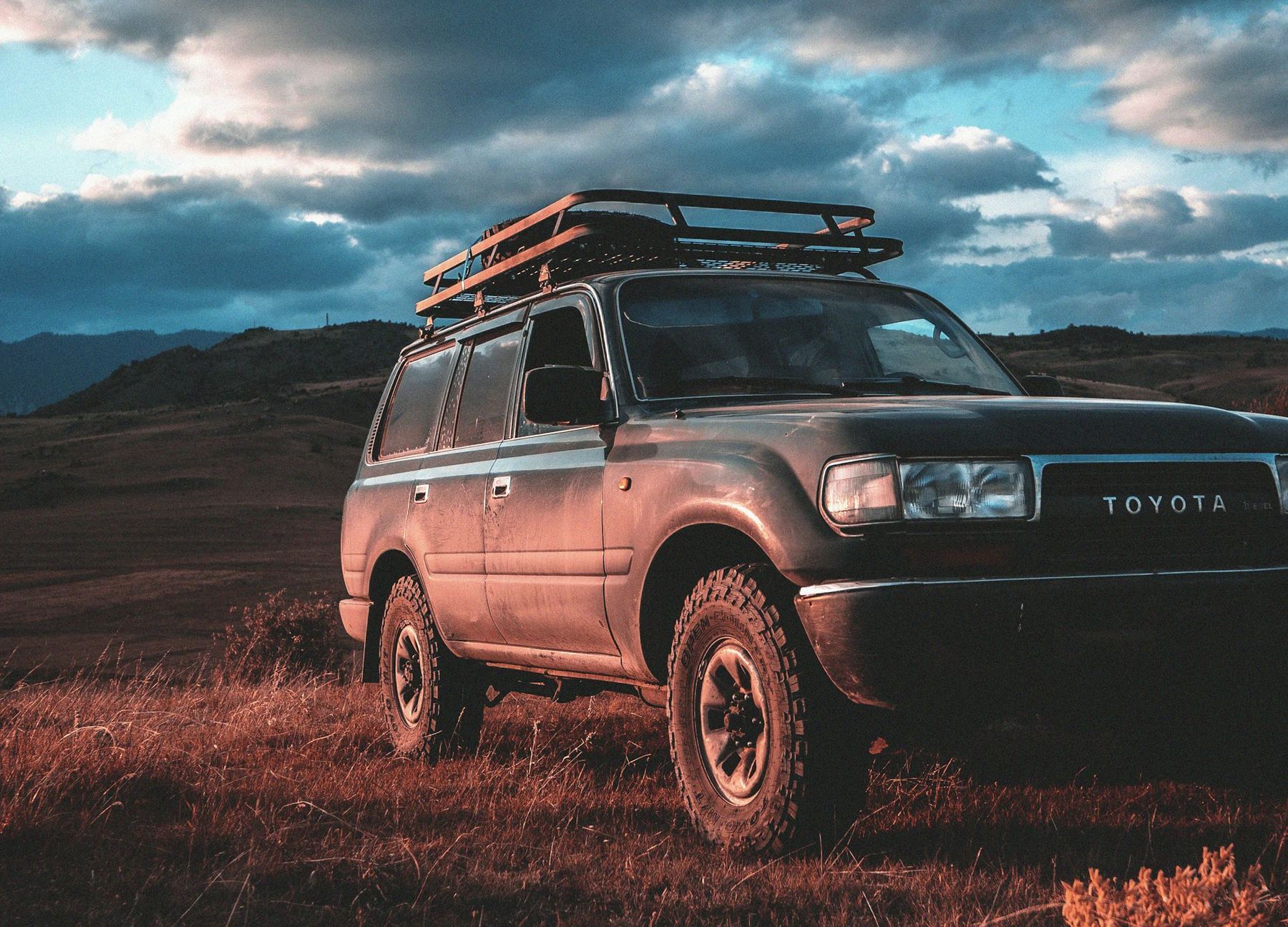
The 1995 update brought the redesigned dash with airbags, the Toyota emblem in place of the TOYOTA lettering across the grille, the A343F automatic (some '95s kept the A442F), a mass-airflow meter, and voluntary OBD-II compatibility that became full OBD-II for 1996. That's why enthusiasts treat 1994 as a sweet spot: last year of the lettered grille, first years of the big engine and lockers. In 1996 Lexus launched the LX 450 on the same body, and 1997 closed the US run with the 40th Anniversary Limited Edition (4,744 sold) and the Collector's Edition.
WHAT MADE IT SPECIAL
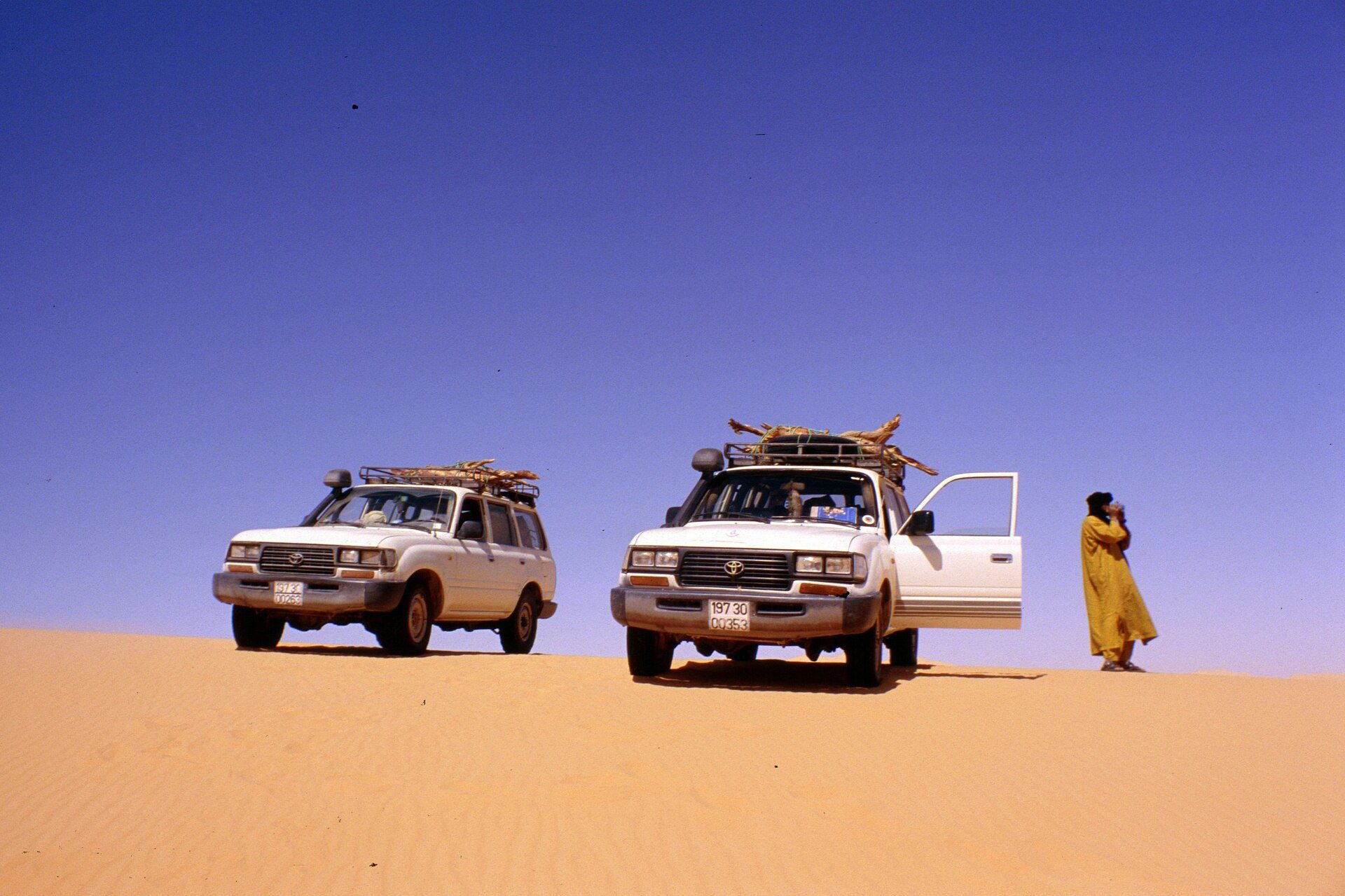
Outside the US, the 80 was a different animal again. Depending on the market it came with the 1HZ 4.2-liter diesel, the 1HD-T turbo-diesel or the later 1HD-FT, and Japan, Africa and Australia kept part-time four-wheel drive as an option. That global spread is why parts and know-how flow so freely between American, Australian and Middle Eastern owners, and why an American owner's fix often comes from an Australian forum thread, or the other way around.
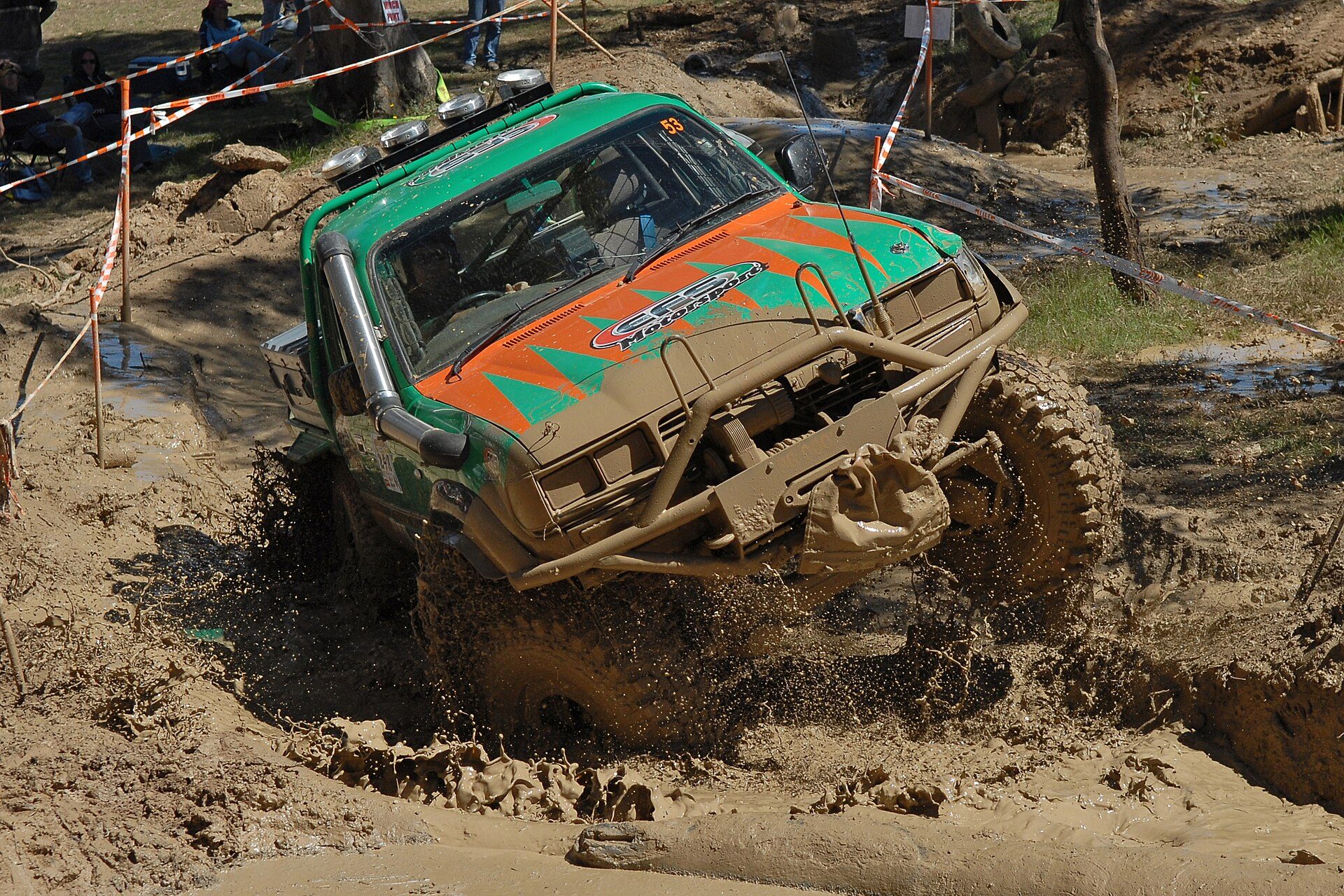
What hands-on owners love is that it is still a truck they can fix. The front axle is a closed-knuckle design with Birfield CV joints that you can strip, repack and reseal in a driveway; the drivetrain is overbuilt; and the aftermarket — from Old Man Emu and ARB to Slee Off-Road and Metal Tech 4x4 — has spent three decades refining it. One owner quoted in Slee's guide weighed his fully built FZJ80 at 6,640 pounds, split 3,200 front and 3,480 rear. That's a lot of truck, and a pretty even balance.
HOW IT ENDED — AND WHY IT'S WORTH SO MUCH NOW
Japanese production ended in 1997, and in January 1998 the 100 Series took over with V8 power and, in the US, independent front suspension — more comfortable, less beloved in the dirt. The 100 also became the basis for the Lexus LX 470, the LX 450's successor. The 80 didn't vanish all at once, though: Wikipedia records the last ones being assembled in Venezuela as late as 2007, a decade after Japan moved on, and the solid-axle, straight-six formula lived on in the 70 Series.
For two decades the 80 was simply a cheap, thirsty old wagon. Then prices took off. In the Hagerty story that marked the turn, a 1,005-mile 1994 FZJ80 sold on Bring a Trailer for $141,000, nearly triple Hagerty's top-condition value at the time; the author called it 'the 993 of Land Cruisers.' Ordinary trucks haven't gone that far, but tired FZJ80s near 300,000 miles still change hands for more than $20,000, which says a lot about how few people want to let them go.
SIDEBAR · THE TRADE-WAR TWIN
How tariffs gave Lexus its first SUV
The Lexus LX 450 exists partly because of trade politics. In the mid-1990s the US threatened 100 percent tariffs on Japanese luxury cars, but SUVs weren't covered, so Lexus quickly rebadged the 80. Production started in November 1995 and it went on sale in the US in January 1996 as Lexus's first SUV.
Underneath it is pure FZJ80, the same 1FZ-FE and the same axles, with a plusher interior, softer suspension, body cladding and its own grille. The first allocation sold out, there was a two-month waiting list, and more than 9,000 found buyers in 1997. Today it's the clever-money 80: same truck, different badge, often a lower price.