The story
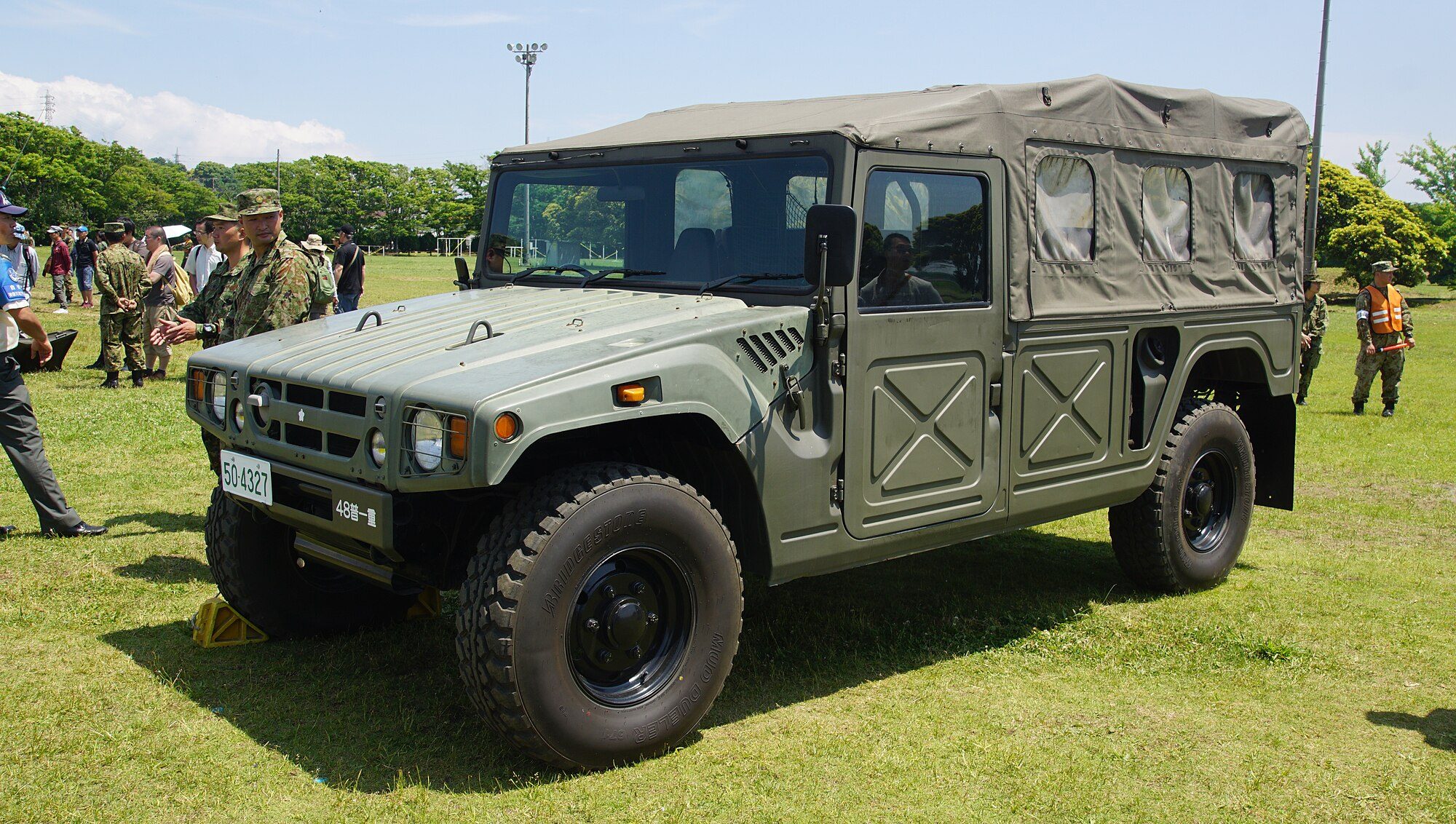
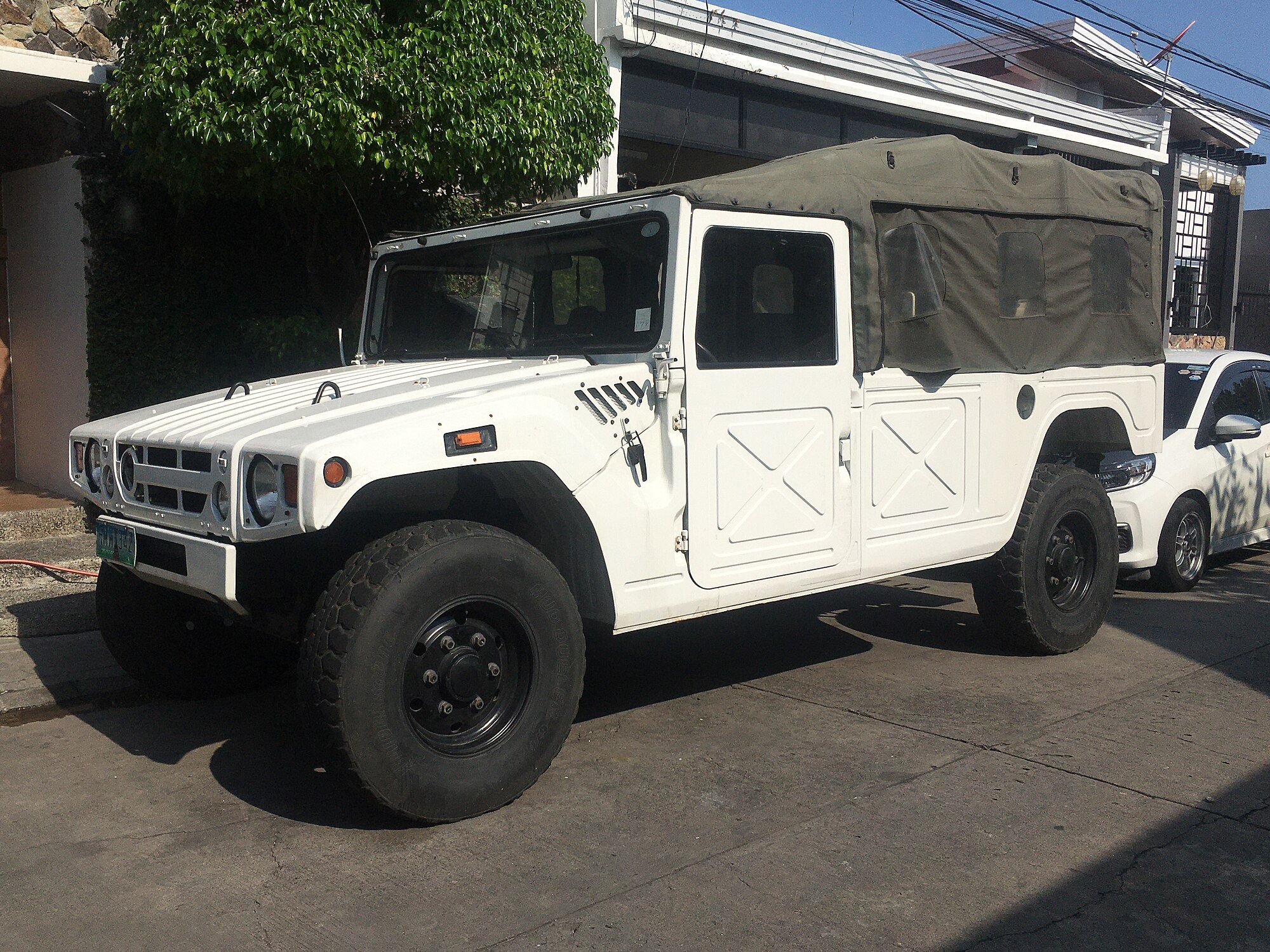
The Mega Cruiser is the largest 4WD Toyota has ever built, and it exists because the Japan Ground Self-Defense Force wanted its own Humvee. The military version is the Kōkidōsha, or High Mobility Vehicle, model code BXD10. In January 1996 Toyota put a civilian version on sale in Japan, the BXD20V, aimed at disaster rescue rather than the school run. It shares nothing with any 80 Series or 70 Series except the badge and the attitude, and it looks enough like an H1 that Japan nicknamed it the 'Japanese Hummer'.
THE KŌKIDŌSHA
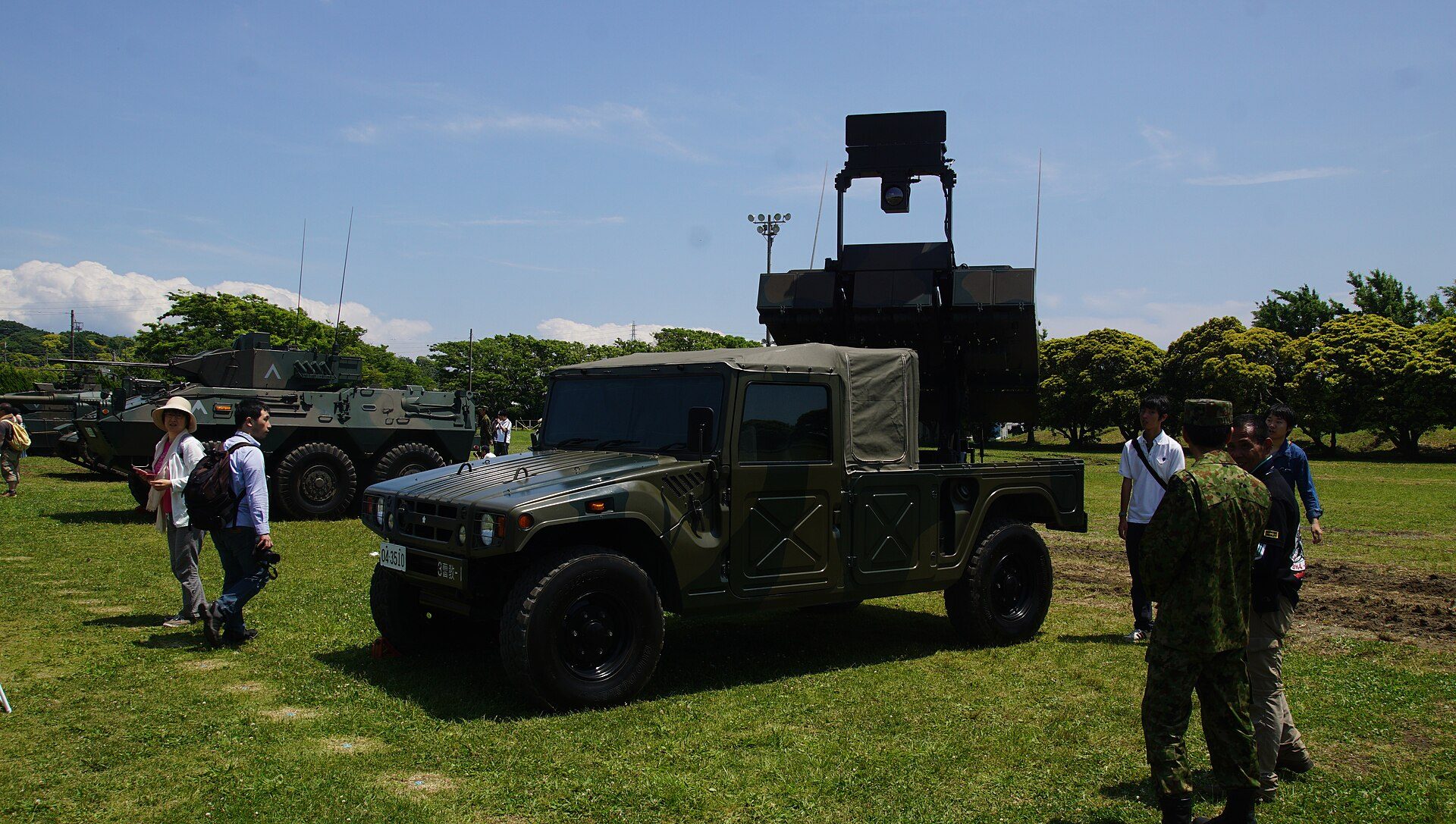
Toyota developed and supplied the High Mobility Vehicle, which Japanese sources say Hino builds. From 1993 the JGSDF put test batches with its trials unit, the Infantry School Regiment and the 1st Airborne Brigade, then trial-deployed it to 2nd Division units in 1994. Regular deliveries began with the 1st Infantry Regiment in spring 1995. It carries a ten-soldier squad, tows mortars and trailers, and became the base for missile launchers and other specialist versions. Troops call it the 'Kōki'.
The early trucks used the 15B-FT, a 4.1-litre direct-injection turbo-diesel four from Toyota's Dyna light trucks. Vehicles procured from fiscal 1999 to 2003 got the electronically injected 15B-FTE. From fiscal 2004 the HMV switched to Hino's N04C engine, which changed the model code to XCD10. Only the 15B-engined trucks are BXD10s. By the count in Japanese Wikipedia, more than 3,000 HMVs and derivatives have been built, and the JGSDF is still buying them.
A RESCUE TRUCK FOR CIVILIANS
A prototype appeared at the 30th Tokyo Motor Show in October 1993. Toyota's launch release on 9 January 1996 pitched the Mega Cruiser at rescue and reconstruction work after natural disasters, and at research and exploration in harsh conditions. Final assembly was at Gifu Auto Body in Kakamigahara. It cost ¥9.62 million (¥9.8 million after the 1999 engine change), about the same as a Toyota Century or Honda NSX of the day, and there was no tachometer.
The buyers were mostly institutions: the Japan Automobile Federation (JAF), fire and rescue services and local governments. Gifu Prefectural Police run one as a disaster vehicle, the only Mega Cruiser police car in Japan. The Maritime Self-Defense Force chose the civilian Mega Cruiser rather than the HMV, and the Air Self-Defense Force uses it as an off-base rescue vehicle. Production ended in August 2001 and sales that December. According to Japanese sources, new registrations totalled 133, including some high-roof trucks that never appeared in the catalogue.
HOW IT WORKS
Hub-reduction gears at each wheel let Toyota mount the drive shafts high and run 37-inch tires. Toyota quotes a practical ground clearance of 420 mm. To keep the space under the frame clear, the transmission, transfer case, prop shafts and differentials are all mounted as high as possible, which leaves a huge tunnel between the front seats. The brakes are inboard ventilated discs next to the differentials, because there's no room for them inside the hubs. Suspension is double wishbones on longitudinal torsion bars at all four corners.
Drive is full-time 4WD through a four-speed lockup automatic and a two-speed transfer case with a centre diff lock. Front and rear axles have Torsen limited-slip diffs, and each can be locked. Reverse-phase four-wheel steering turns the rear wheels up to 12 degrees, which gives a 5.6-metre turning radius on a 3,395 mm wheelbase. An optional system could deflate the rear tires on the move for mud and snow. One Japanese line sums it up: if you get this stuck, the only thing left is something with tracks.
COMING OF AGE ABROAD
Mega Cruisers leaked out of Japan as gray imports to places like Australia and Russia. The first ones turned 25 in 2020–21, which made them legal to import into the US under NHTSA's 25-year rule. Jalopnik reported that the Land Cruiser Heritage Museum in Utah already had one. Since then Bring a Trailer has listed both civilian trucks and ex-military BXD10s. In 2026 Japan donated 30 HMVs to Ukraine.
In Japan the civilian truck has become hard to keep on the road. Ibaraki Prefecture sold the Mega Cruiser a local bank had donated to it for disaster duty, citing difficulty getting parts, and the 3,780 kg gross vehicle weight means a holder of a standard licence issued after March 2017 can't legally drive one there. Rare, enormous and short of spares, it's a truck for collectors with a plan.
SIDEBAR · BXD10 VS BXD20
Military, civilian and the in-between
BXD10 is the JGSDF's 15B-engined High Mobility Vehicle: a canvas or soft-top troop carrier with inward-facing rear benches, folding windscreen, run-flat inserts in its tires and a pintle hitch. BXD20V is the civilian five-door wagon with a hard roof, six seats, air conditioning, a side-hinged tailgate with a fold-out step and a spare tire lifted by a chain hoist.
Bring a Trailer listings show both. In 2024 an ex-military BXD10, repainted in Dubai and titled in Maryland as a 1990, was bid to $43,999 without selling. Civilian trucks have sold for $84,000 and $167,500. Most are right-hand drive. One BaT seller claimed only seven left-hand-drive examples were built, and Carscoops put the 2020 count at around twelve.