The story
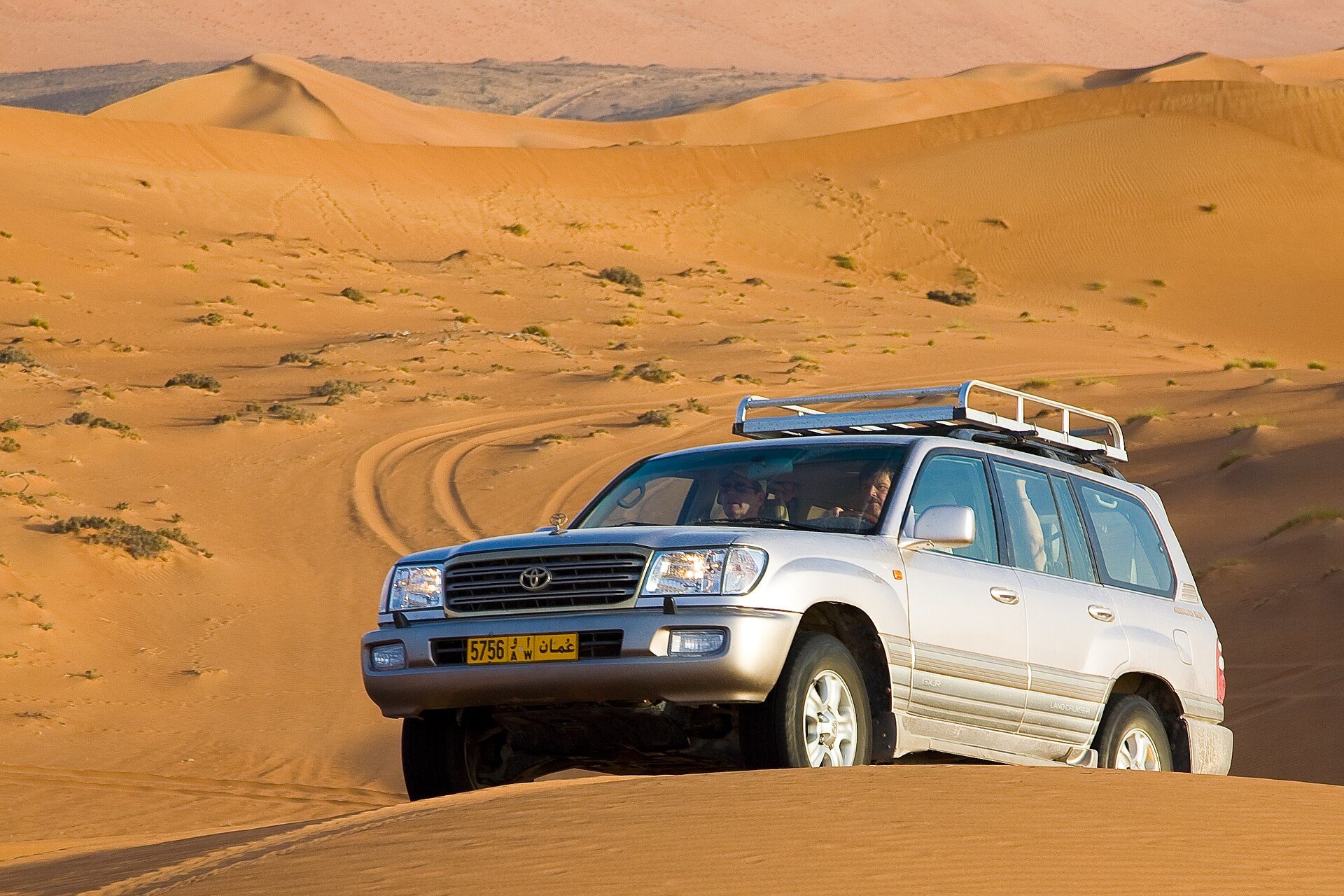
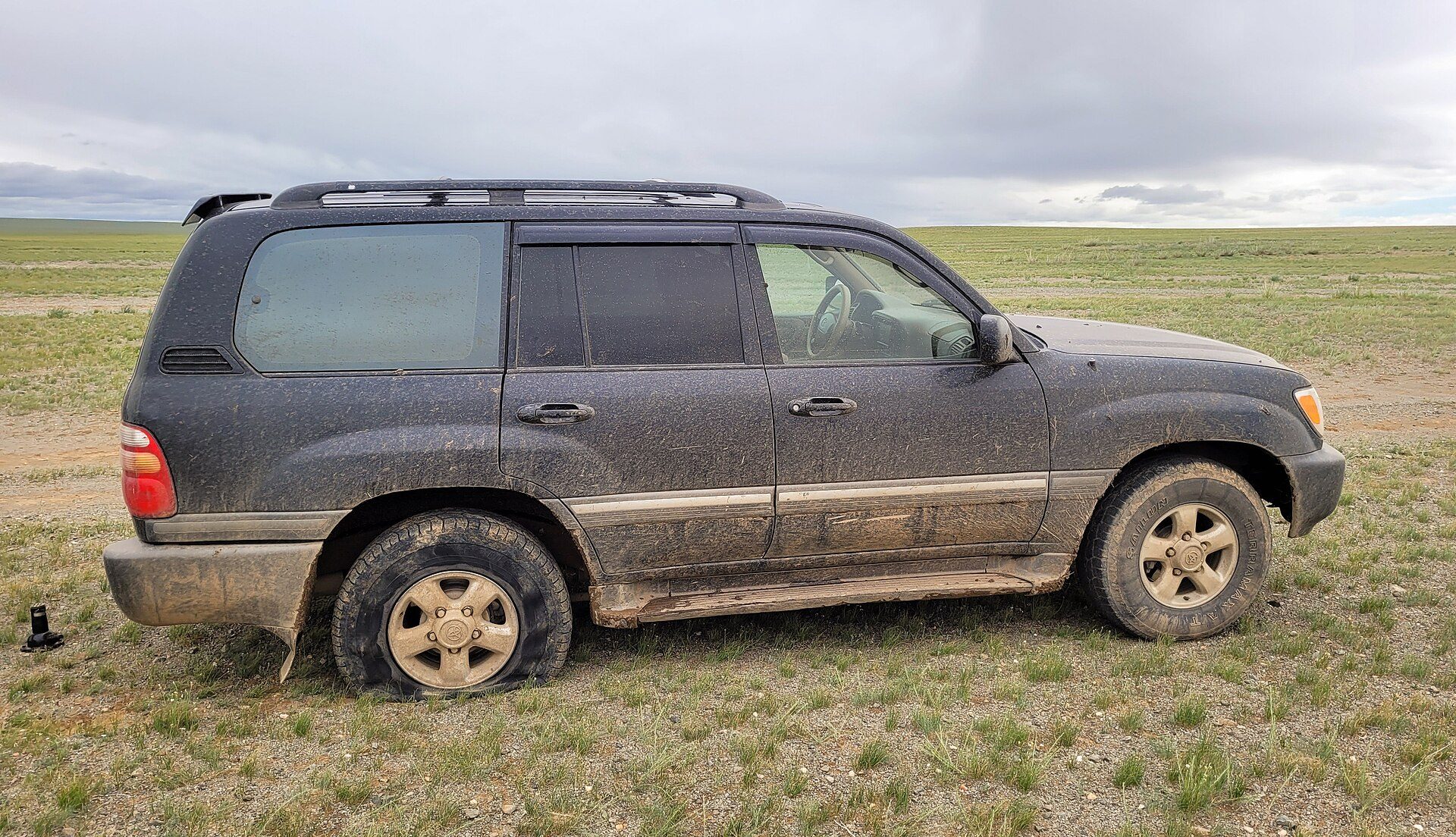
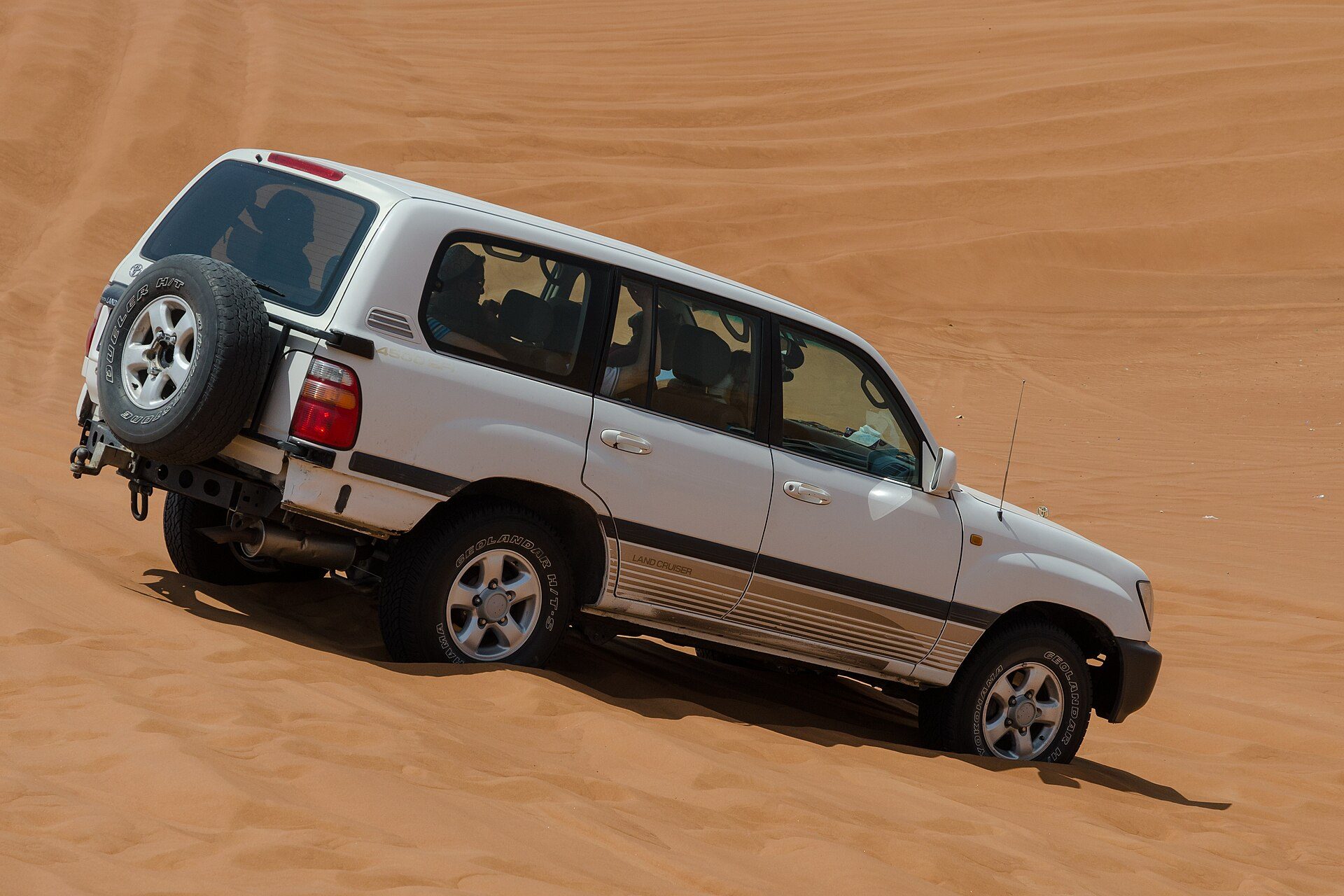
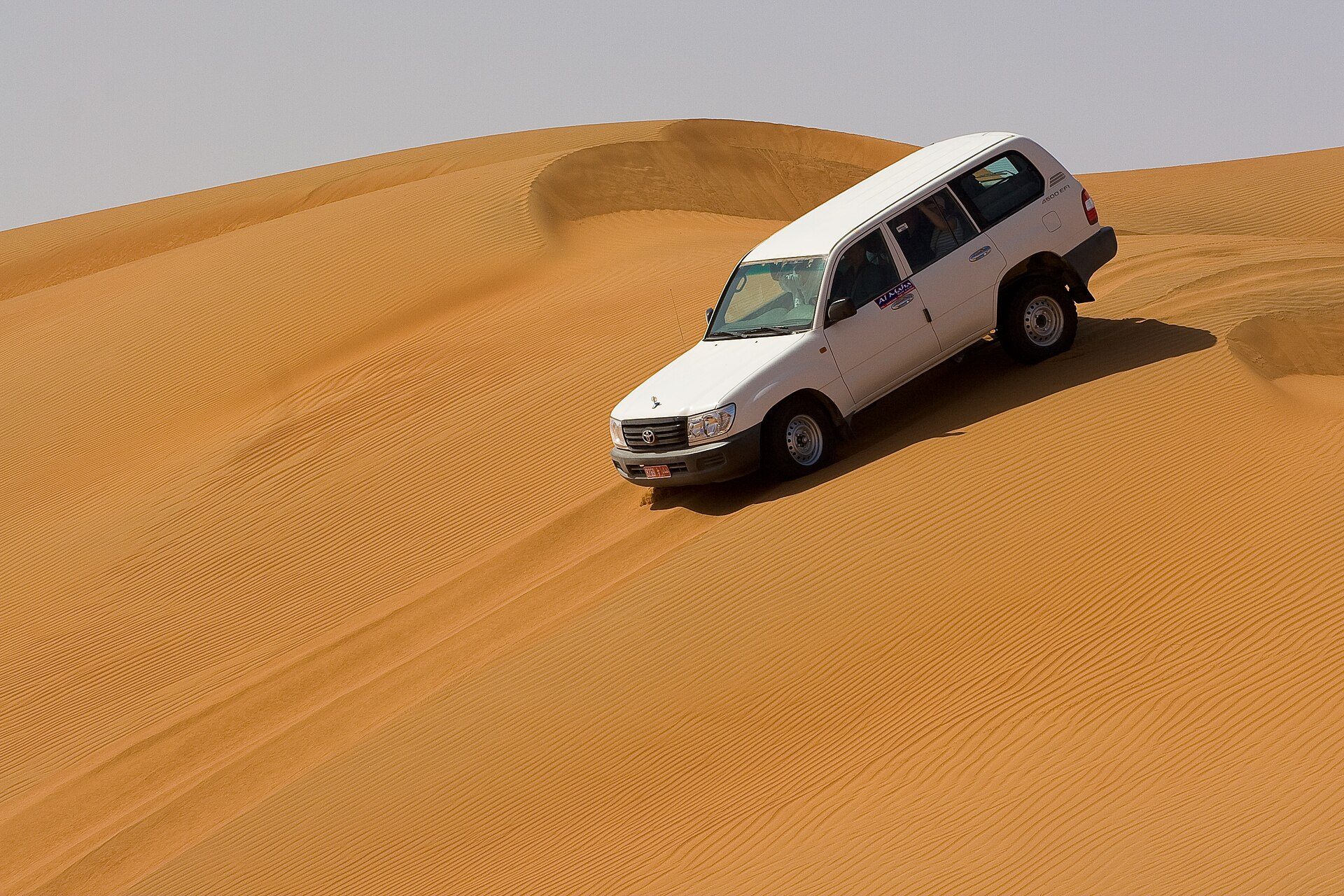
In January 1998 Toyota replaced the eight-year-old 80 Series with a wagon that broke two Land Cruiser traditions at once. The 100 was the first Land Cruiser with a V8, which Toyota added specifically to sell more trucks in North America, where it was the only engine offered. It was also the first with independent front suspension, chosen along with rack-and-pinion steering to improve on-road handling. Off-roaders grumbled, and they had a point. They also kept buying them.
FROM 404T TO 'GRAND CRUISER'
Development started in 1991 under the code name 404T, and the design was frozen in mid-1994. Toyota previewed the truck as the 'Grand Cruiser' at the 32nd Tokyo Motor Show in October 1997. Takeo Kondo is credited as designer, Araco built it in Toyota City, and from 2003 to 2008 it was also assembled in China.
Under one body there were really two trucks. The 100 had a slightly wider chassis, IFS and the new engines. The 105 carried over most of the 80's chassis and drivetrain: coil-sprung solid axles at both ends and straight-six petrol and diesel engines, sold only in Africa, Australia, Russia and South America. You can tell them apart at a glance. The IFS 100 often sits lower at the front, and its wheels are almost flat where the 105's are dished, which lets both keep similar track widths.
THE AMERICAN 100
US trucks were all UZJ100s with the 4.7-liter 2UZ-FE V8, rated at 230 hp and 320 lb-ft, driving through an A343F four-speed automatic and an HF2A full-time transfer case. Slee Off-Road notes that, unlike the 80, it has no viscous coupling, just a center differential you can lock. The rear axle is a semi-floating, 32-spline unit with a 9.5-inch ring gear. A rear electric locker was optional only for 1998 and 1999. For 2000 Toyota dropped it, added VSC and A-TRAC traction control, and swapped the weak two-pinion front differential for a four-pinion unit.
The 2003 update was the big one: an A750F five-speed automatic, drive-by-wire throttle, 235 hp, stronger U-joints and fatter driveshafts, 4.10 gears and 17-inch wheels as standard. Late trucks gained VVT-i, and Kelley Blue Book lists 275 hp and 332 lb-ft from 2005. Active Height Control was standard on the LX 470 from launch; owners report it also turns up as an option on some Land Cruisers, so check which suspension a given truck has.
THE LUXURY TWINS
The 100 was also the basis for the Lexus LX 470, sold in Japan as the Toyota Land Cruiser Cygnus. Slee's guide says the Lexus shares the drivetrain but adds body cladding, projector headlights, backlit gauges and standard AHC with adaptive damping from 1998. In 2002 the Cygnus and LX 470 got Night View, which projected an infrared camera image onto the windshield, and they were the first Toyota vehicles with a rollover sensor. In Britain and Ireland the 100 was called the Land Cruiser Amazon. When Toyota marked the Land Cruiser's 50th anniversary in 2000 with commemorative models, global production had reached 3.72 million.
HOW IT ENDED
The 100 got a series of small facelifts (lights, grille, spoiler and equipment) and stayed in production until August 2007. The 200 Series then kept the formula of V8 power, independent front suspension and a luxury twin in the LX 570. Wikipedia rates the 100 as durable and reliable, with two known weak spots on hard-worked trucks: cracked IFS lower wishbones on trucks that often hit the bump stops, and broken front differentials, mostly on 1998–99 two-pinion units.
Meanwhile, the solid-axle 70 Series kept going for buyers who wanted nothing to do with IFS. Today the 100 is a well-documented truck: IH8MUD's 100-series FAQ links to write-ups on everything from the 90,000-mile timing belt to lower ball joints, heater-hose tees and AHC fluid flushes.
SIDEBAR · THE SOLID-AXLE TWIN
The 105, and the diesel Australia couldn't forgive
The FZJ105 and HZJ105 looked like 100s but kept the 80's solid axles and straight sixes: the 4.5-liter 1FZ-FE petrol and the 4.2-liter 1HZ diesel. In Australia, the V8 100 was at first sold only in the top GXV trim, while entry and mid-range buyers got the 105.
The trouble was the 1HD-FTE turbo-diesel. It arrived in Australia in October 2000, after being sold in Europe and the UK since 1998, but only with IFS. Australian 4WD Monthly said it plainly: 'We will never forgive Toyota for going independent at the front with the mighty 4.2 turbo-diesel.'