The story
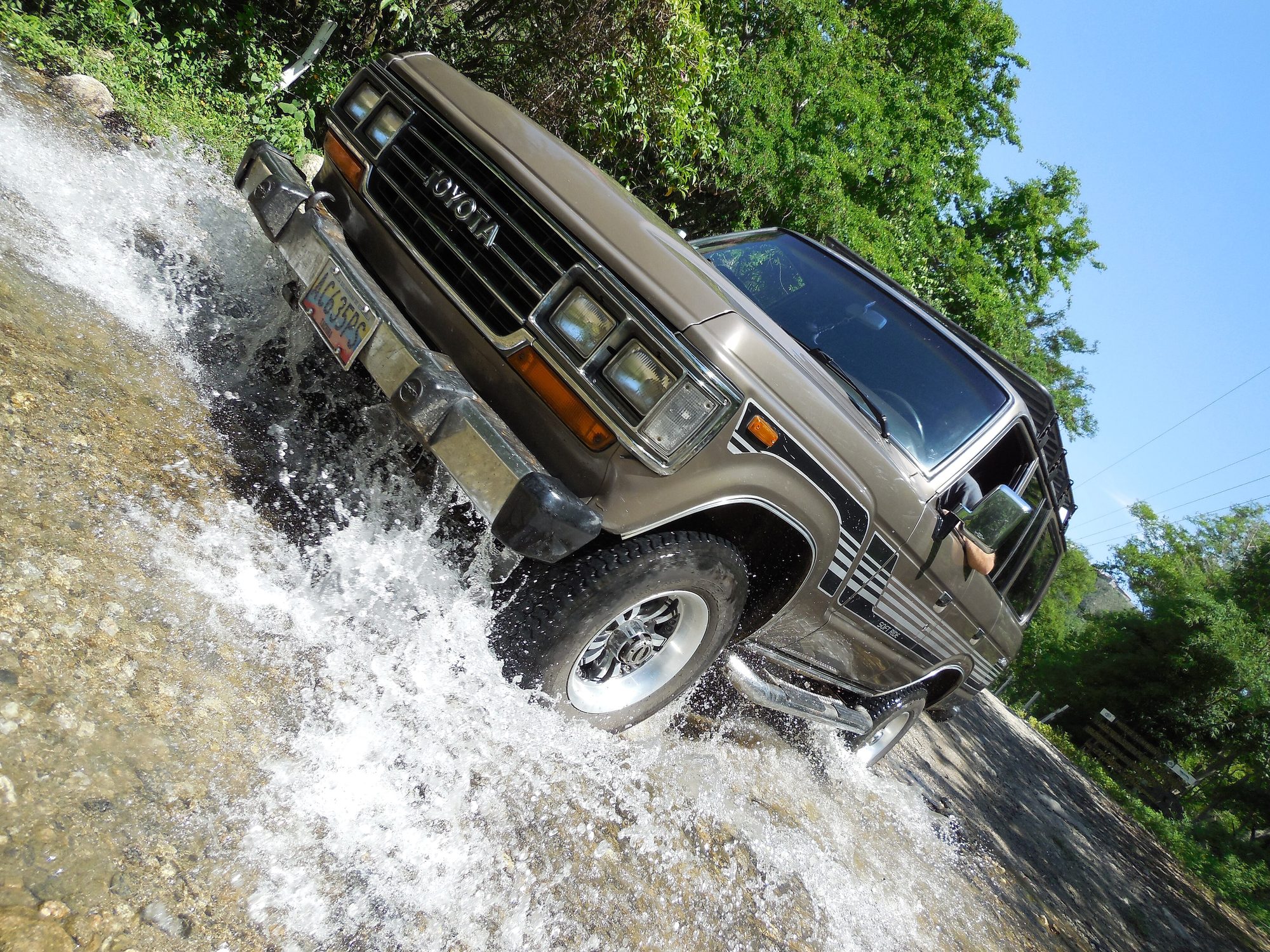
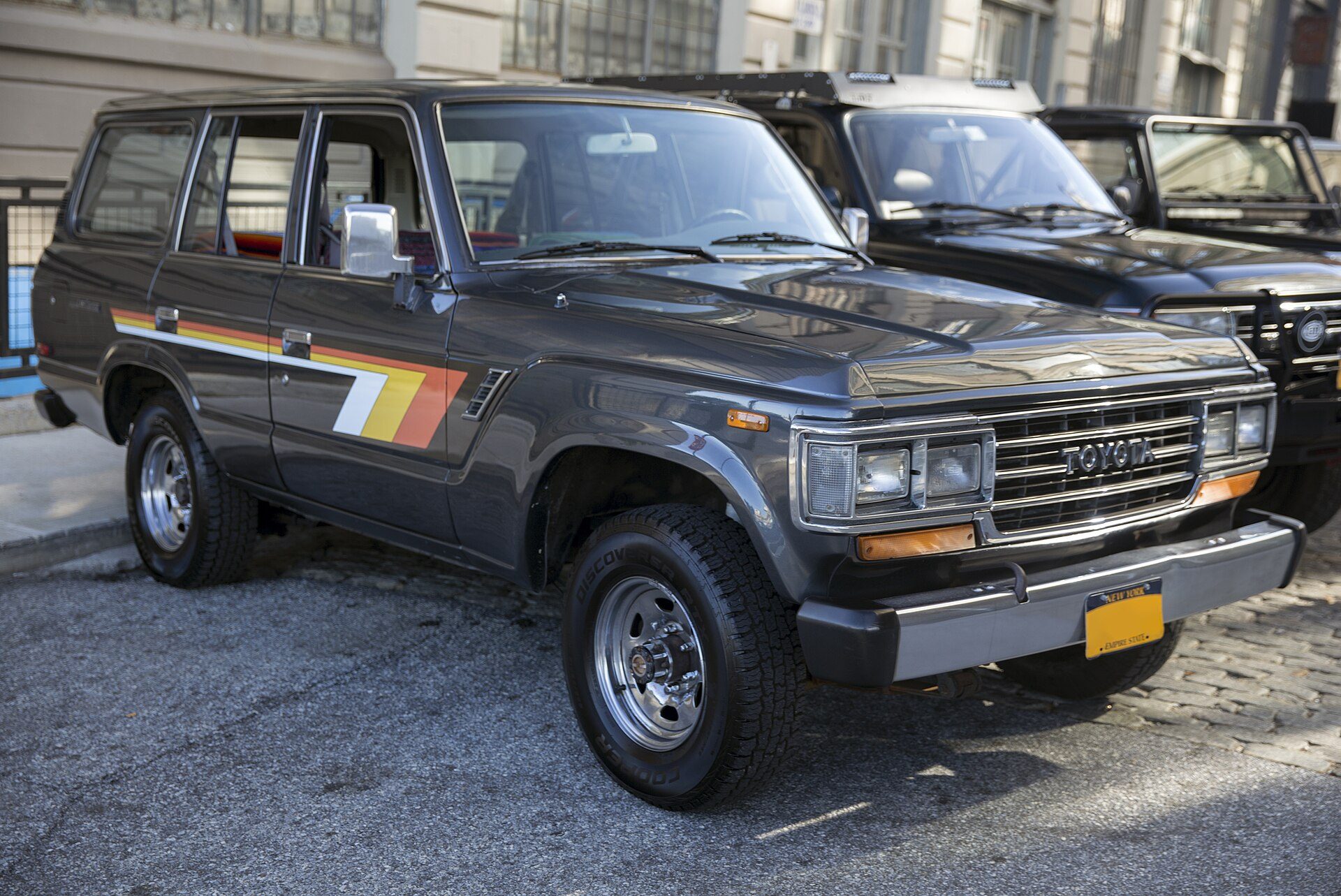
The FJ62 is the last and most civilized of the 60 Series, and in America it marked the point where the Land Cruiser started to become a luxury vehicle. Hagerty says it brought two Land Cruiser firsts to the US: electronic fuel injection, on the 4.0-liter 3F-E six, and an automatic transmission. Toyota's own history picks out the new dash, the upgraded interior and the rectangular headlamps that make a 1988 easy to spot. Underneath, it's still a ladder-frame, leaf-sprung, solid-axle truck, much like the FJ60 it replaced.
BUILT FOR JAPAN, SOLD TO AMERICA
The FJ62 started at home. Wikipedia dates the 3F-E injected engine to 1987, when the FJ62G VX allowed the Land Cruiser to be registered in Japan as a passenger vehicle rather than a commercial one. That meant comfort features: Flexmotor lists power windows and locks among the new options. The US got the FJ62 for the 1988 model year, and for American buyers it was a noticeably more comfortable, easier-driving truck than the FJ60.
The 3F-E made 155 hp at 4,000 rpm and 220 lb-ft at 3,000 rpm, against the FJ60's carbureted 135 hp and 210 lb-ft. It drove through Toyota's A440F four-speed automatic, the only US transmission, an automatic Toyota UK says first went into the 60 Series in 1984 as the first of its kind in a Japanese 4x4. Corsetti Cruisers lists the curb weight at 4,480 lb, 234 lb more than an FJ60, and fuel economy of 12 mpg city and 19 highway, one better than the carbureted truck.
STILL A TRUCK UNDERNEATH
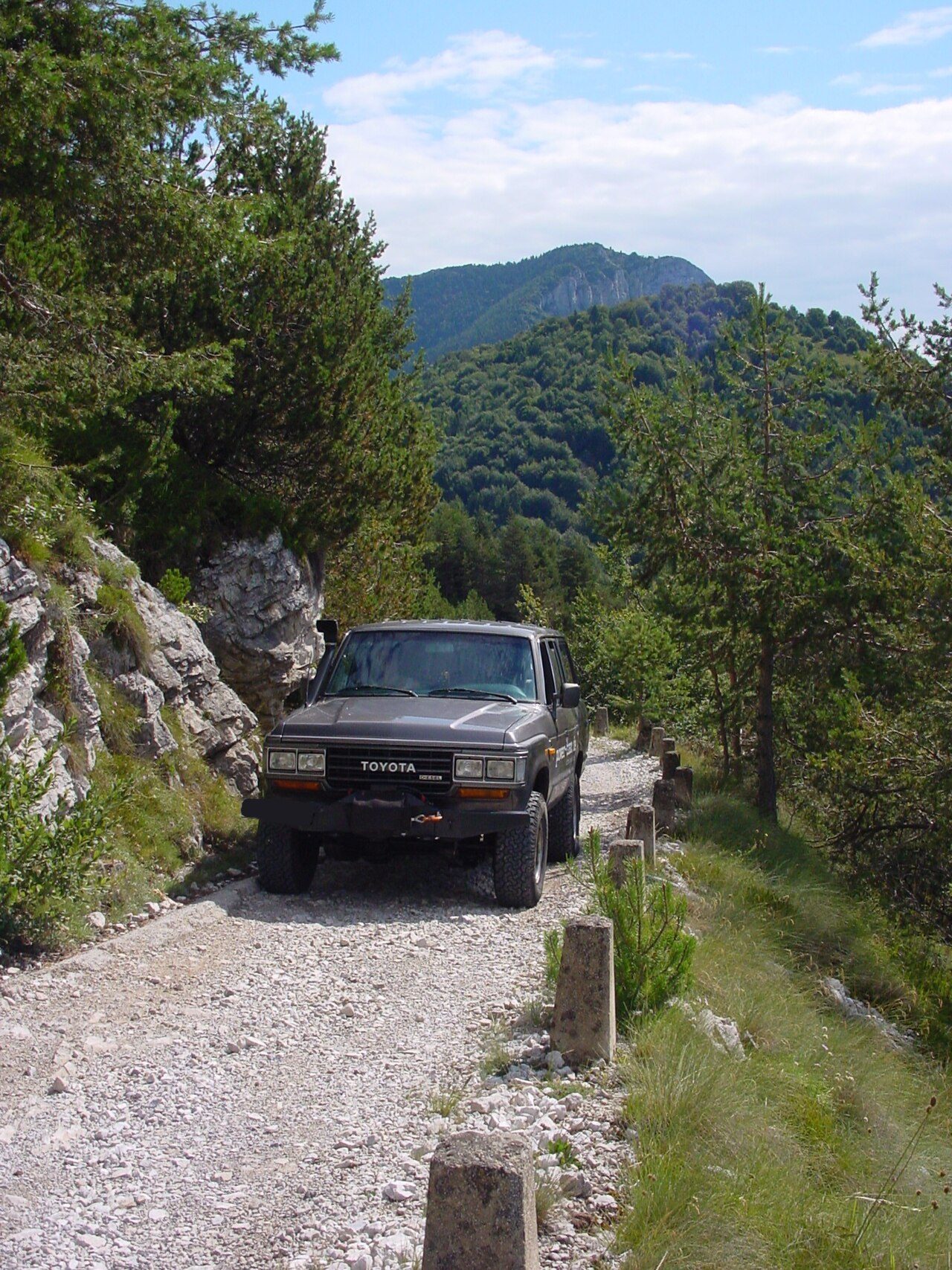
For all the velour and power windows, the FJ62 kept the 60 Series hardware: leaf springs, a closed-knuckle Birfield front axle and a two-speed, part-time transfer case. That makes it as capable in the dirt as an FJ60 and as simple to work on, with many parts shared across the 40, 55 and 60 Series. Toyota UK says push-button electro-pneumatic four-wheel-drive engagement replaced manual levers on 60s from August 1986; which markets and models got it isn't clear from that history, so whatever your truck has, check that four-wheel drive and low range engage cleanly.
The 3F-E has its own following. IH8MUD members note that in US trucks it was used only in the FJ62 and the 1991–92 FJ80, and consider a well-kept example with 159,000 miles to have plenty of life left. The common gripes are the ones you'd expect on a 35-year-old truck: oil leaks, vacuum leaks that cause a rough idle, tired A/C and, above all, rust. As one member put it, 'any '88 Cruiser is going to leak some oil, from somewhere.'
THE END OF THE LEAF-SPRING WAGON
Japanese production of the 60 Series ended around the turn of 1990; Toyota UK puts the total at 406,700. Venezuela kept building 60s for its own market until 1992, and Wikipedia says the last carbureted 3F FJ62 rolled out of the Cumaná plant that year. In the US the FJ62 handed over to the 80 Series for 1991, which kept the 3F-E and automatic for two years but switched to coil springs and full-time four-wheel drive.
That makes the FJ62 the last leaf-sprung Land Cruiser wagon sold in America, and the most comfortable vintage Cruiser you can drive every day. Hagerty calls the round-headlight FJ60 the bigger collector's prize and its wagon-values piece (around 2020) put the median quote for FJ60s and FJ62s at $18,500, but the FJ62's fuel injection and automatic make it the easier truck to live with. Restomod shops such as Corsetti Cruisers build both.
SIDEBAR · WANT THREE PEDALS?
Converting an FJ62 to a manual
US FJ62s only came with the A440F automatic, so some owners swap in the H55F five-speed used in other markets. IH8MUD's swap guide lists what it takes: a manual bellhousing, flywheel and clutch kit, crossmember and floor-cover modifications, transfer-case shift linkage, driveshaft changes, a clutch pedal, master and slave cylinders with hard line and hose, and minor wiring changes.
It's a big job, but the H55F's 0.845:1 fifth and deeper first suit both highway driving and trail work.