The story
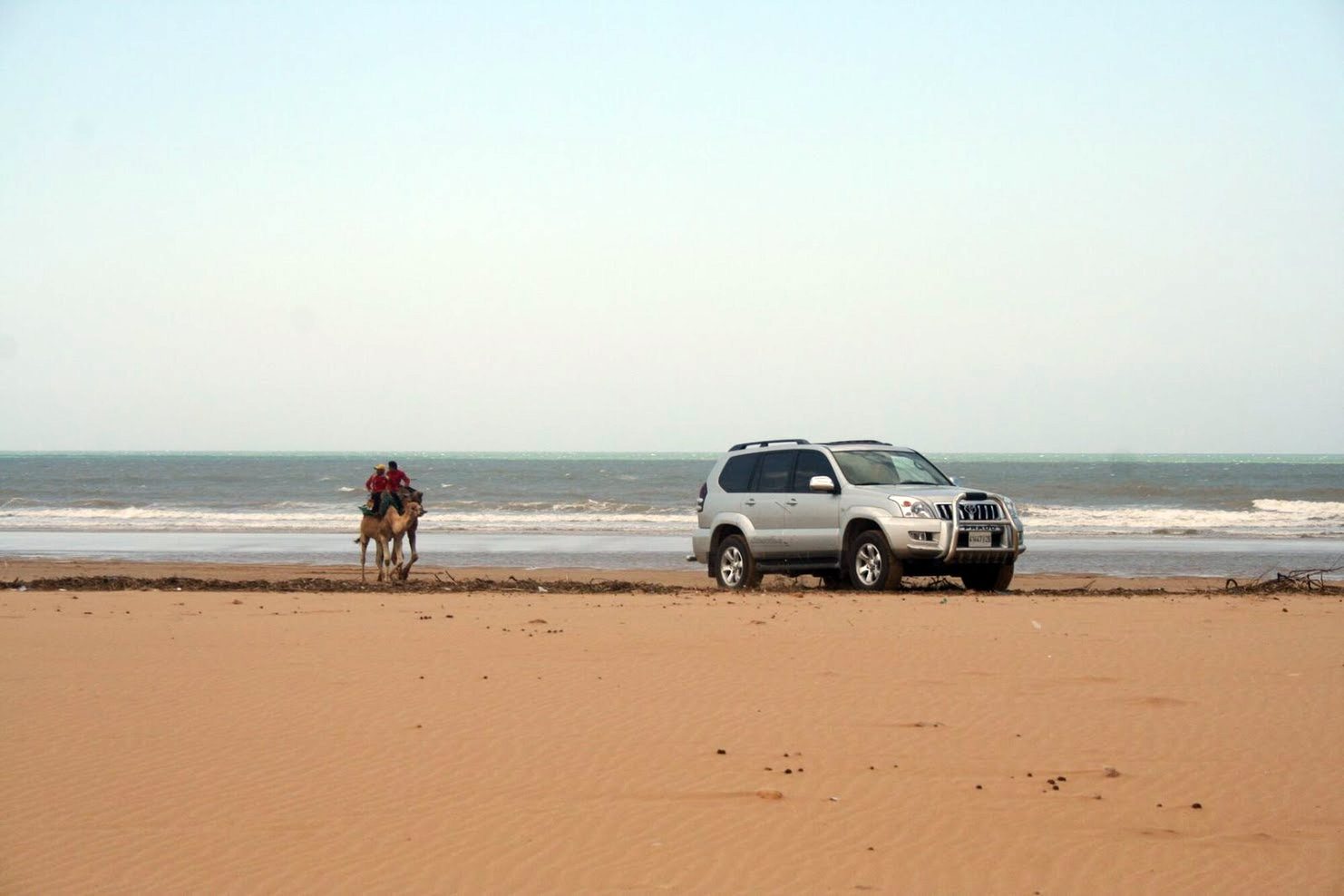
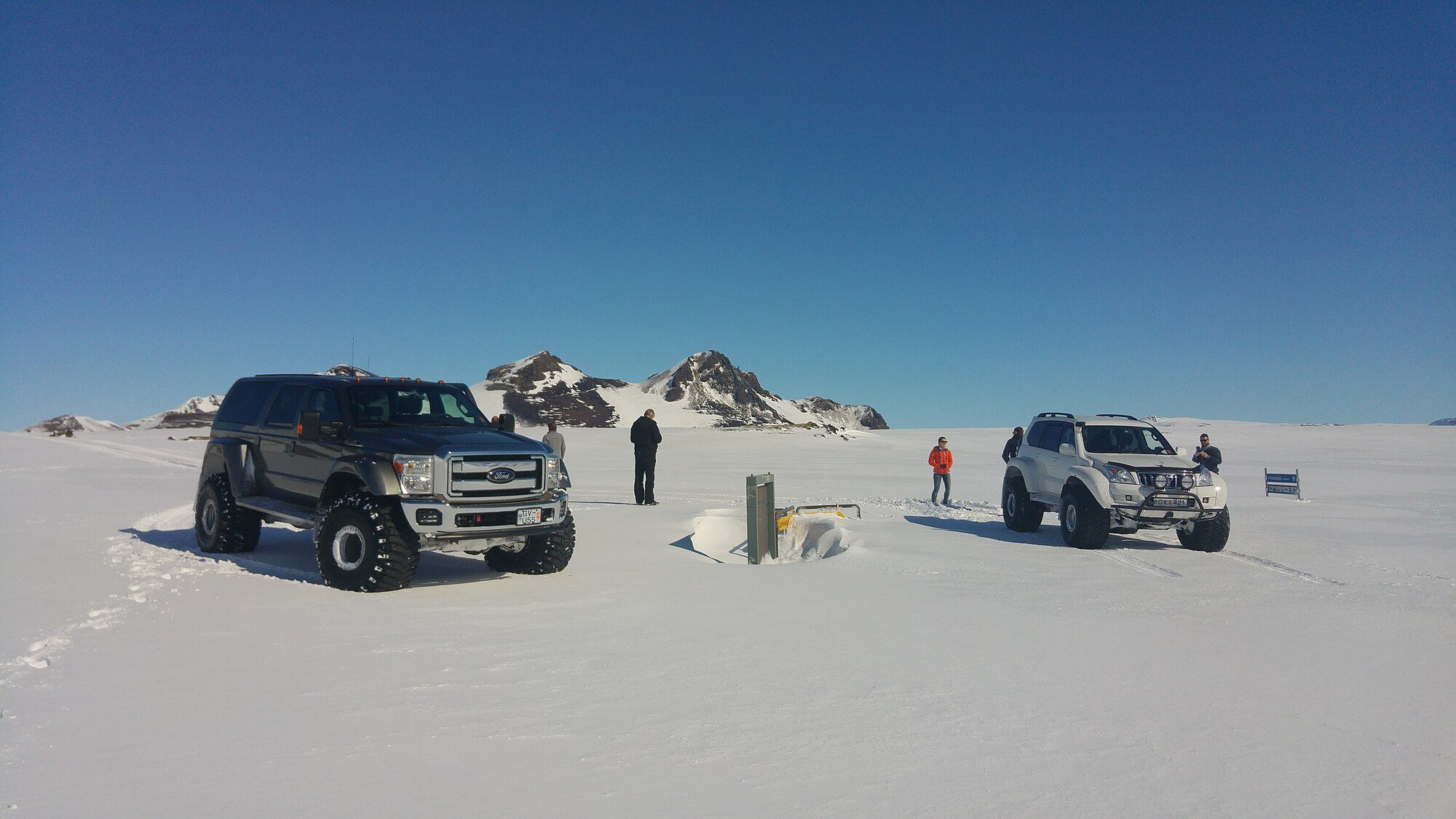
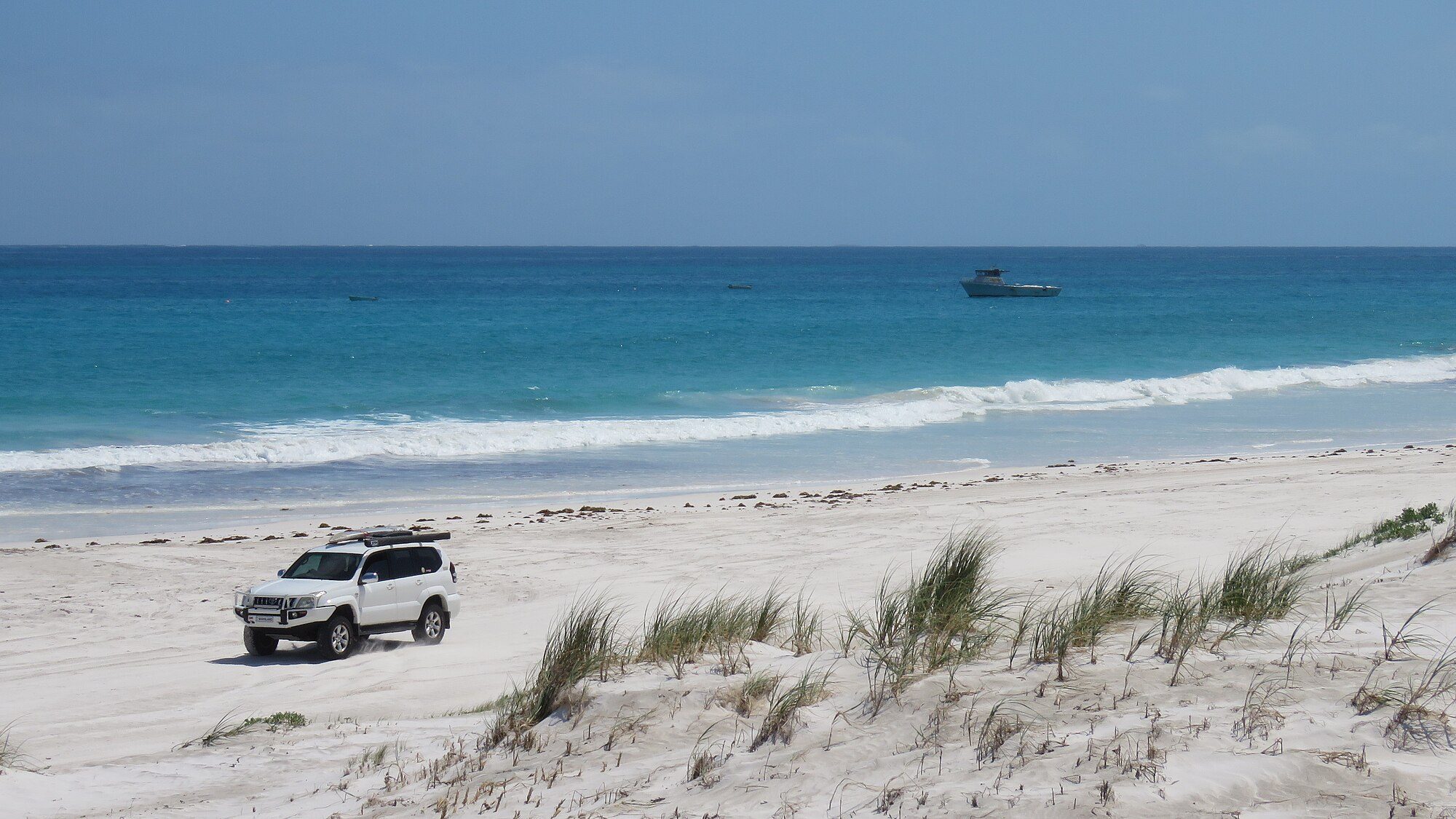
The 120 is the Prado that America did get, just not under that name. Toyota launched the third-generation Land Cruiser Prado in Japan on 7 October 2002 on a new, stiffer frame, and the next month Lexus started selling the same truck in the US as the GX 470, with a V8. Everyone else got fours, V6s and diesels, a Torsen center differential they could lock, and up to 180 liters of fuel in Australian five-doors. It's softer, heavier and cleverer than the Prado 90, and the diesel has a flaw you need to know about before you buy.
DESIGNED IN FRANCE, BUILT IN JAPAN
Development started in 1997. The design came from Lance Scott at Toyota's ED² studio in France, whose proposal was picked in late 1999. Toyota built the 120 from September 2002 to August 2009 at its Honsha and Tahara plants, adding Toyota Auto Body from May 2006, and FAW Toyota assembled it in Chengdu, China. Toyota says the new high-rigidity frame improved handling, stability and quietness. The front suspension was revised for reliability, and the 120 shares suspension parts with the 4th-gen 4Runner and the FJ Cruiser.
The clever bits were in the drivetrain and electronics. A newly developed Torsen limited-slip center differential, lockable for the rough stuff, replaced the J90's center diff. Active traction control could manage climbs and descents, and top grades added Toyota's H∞-TEMS adaptive dampers and electronically controlled rear air suspension. Australians got Hill-start and Downhill Assist Control, and a 4-star ANCAP rating in 2003. A short three-door version (J125) had only an 87-liter tank, with no sub tank.
1GR, 1KD AND THE REST
At launch in Japan, the engines were the 3.4-liter 5VZ-FE V6 and 2.7-liter 3RZ-FE four from the J90, plus a 3.0-liter intercooled turbo-diesel. In July 2004 the new 4.0-liter 1GR-FE V6 replaced the 5VZ-FE there, and in August the 2.7-liter 2TR-FE replaced the 3RZ-FE. Australia had the 1GR-FE from its 2003 launch, at 179 kW and 376 Nm. It's a timing-chain engine, and CarsGuide owners reported 18 L/100 km against Toyota's 13.6 claim. A five-speed automatic arrived for the V6 in late 2005, and 4X4 Australia suggests buying that or the six-speed manual rather than the early four-speed.
Diesels varied by market. Toyota's model list includes KDJ120s from 2002, so Japan had the 1KD-FTV common-rail engine from the start. Australia kept the older 1KZ-TE at 96 kW until late 2006, when the Euro IV version of the 1KD-FTV arrived with 127 kW, 410 Nm, a five-speed automatic and a six-speed manual. In 2006, diesels passed half of Australian Prado sales. Some markets also had the naturally aspirated 5L-E.
THE INJECTOR-SEAT PROBLEM
The 1KD-FTV's Achilles heel is the copper seat under each injector. When a seat leaks, blow-by gas gets into the rocker cover, mixes with the oil and cooks into carbon. The carbon blocks the oil pickup in the sump, starves the engine and can wipe out the bottom-end bearings. Symptoms are white smoke and a rattle on a cold start. AustralianCar.Reviews says aluminum seats replaced the copper ones from August 2007, and that the injectors themselves often fail at 120,000–140,000 km, sometimes as early as 75,000 km.
CarsGuide's 2012 used-car review warned that a seized engine could mean 'a total write-off', with a replacement engine costing about A$15,000, and reported that New Zealand owners were having the seals replaced every 45,000 km. Unsealed 4X4 now suggests seals every 40,000 km. The cheap pre-purchase check is a flashlight through the sump drain-plug hole: if the pickup screen is coated in anything but oil, walk away or budget for a sump-off clean.
WHERE IT LEFT THE PRADO
Toyota replaced the 120 with the J150 in September 2009. That truck kept the suspension layout and the 2.7 four and 4.0 V6, finally merged the Prado and Hilux Surf into one line, and added crawl control and Multi-Terrain Select. The Prado line finally reached American showrooms as the 250 Series, badged simply Land Cruiser. In the US, the 120 is still off-limits: the first trucks turn 25 from September 2027. Until then, the closest thing on an American title is its Lexus twin, which is why GX 470 forum threads read like Prado 120 forum threads.
SIDEBAR · AMERICA'S PRADO
The Lexus GX 470
North America never got the Prado name, but it got the truck: Toyota built the 120 as the Lexus GX 470, with the 4.7-liter 2UZ-FE V8 and full-time four-wheel drive. Lexus showed it at the 2002 North American International Auto Show and started sales in November 2002, a month after the Prado's Japanese launch.
That shared hardware is why the same parts and advice serve both. CruiserTeq lists its ball joints, CV axles, hubs and steering-rack boots as fitting the 'GX470/LC120', Coastal Offroad sells one rear bumper for the GX470 and Prado 120, and IH8MUD runs the two in a single GX470/Prado120 forum.