The story
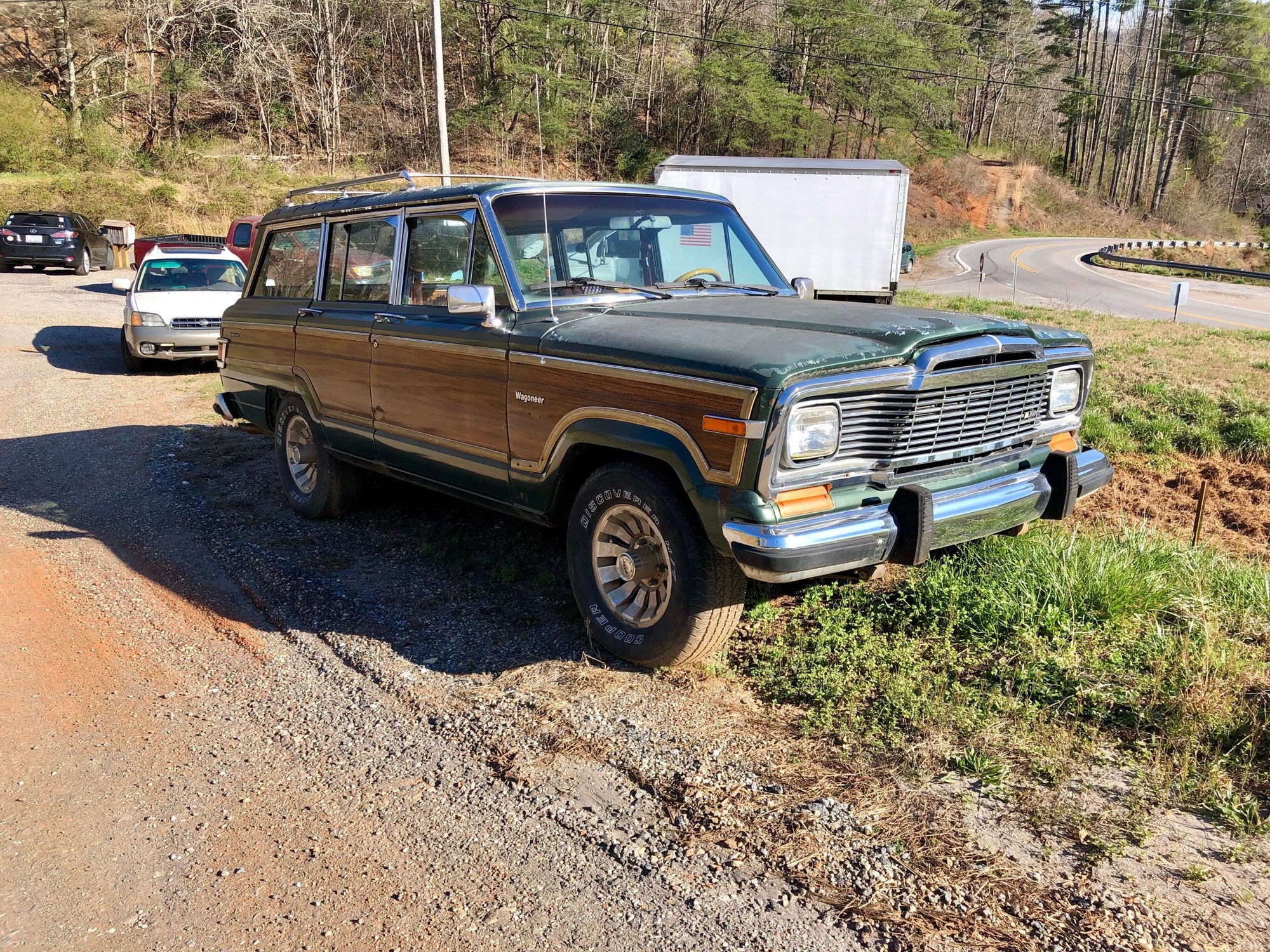
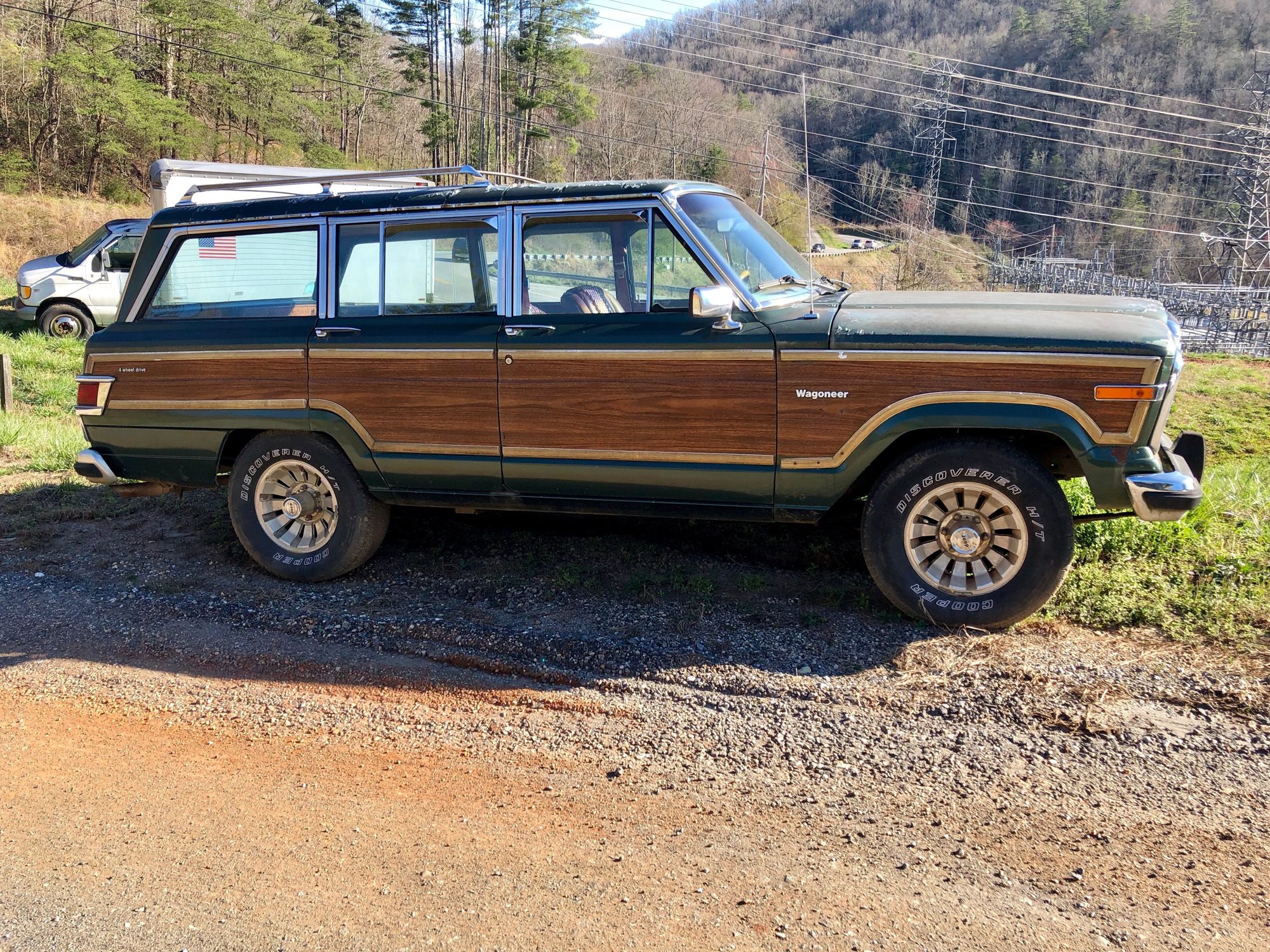
Jeep introduced the Wagoneer in November 1962 for the 1963 model year, and the same SJ body was still in production 29 model years later. By 1991 it was the longest-running domestically produced vehicle on one platform. For its final eight years it was called Grand Wagoneer: a body-on-frame, solid-axle, carbureted-V8 station wagon with simulated woodgrain on its flanks and leather inside. It was sold as the gold standard of the SUV market at a time when nobody had yet called it an SUV.
THE KAISER ORIGINAL (1963–1969)
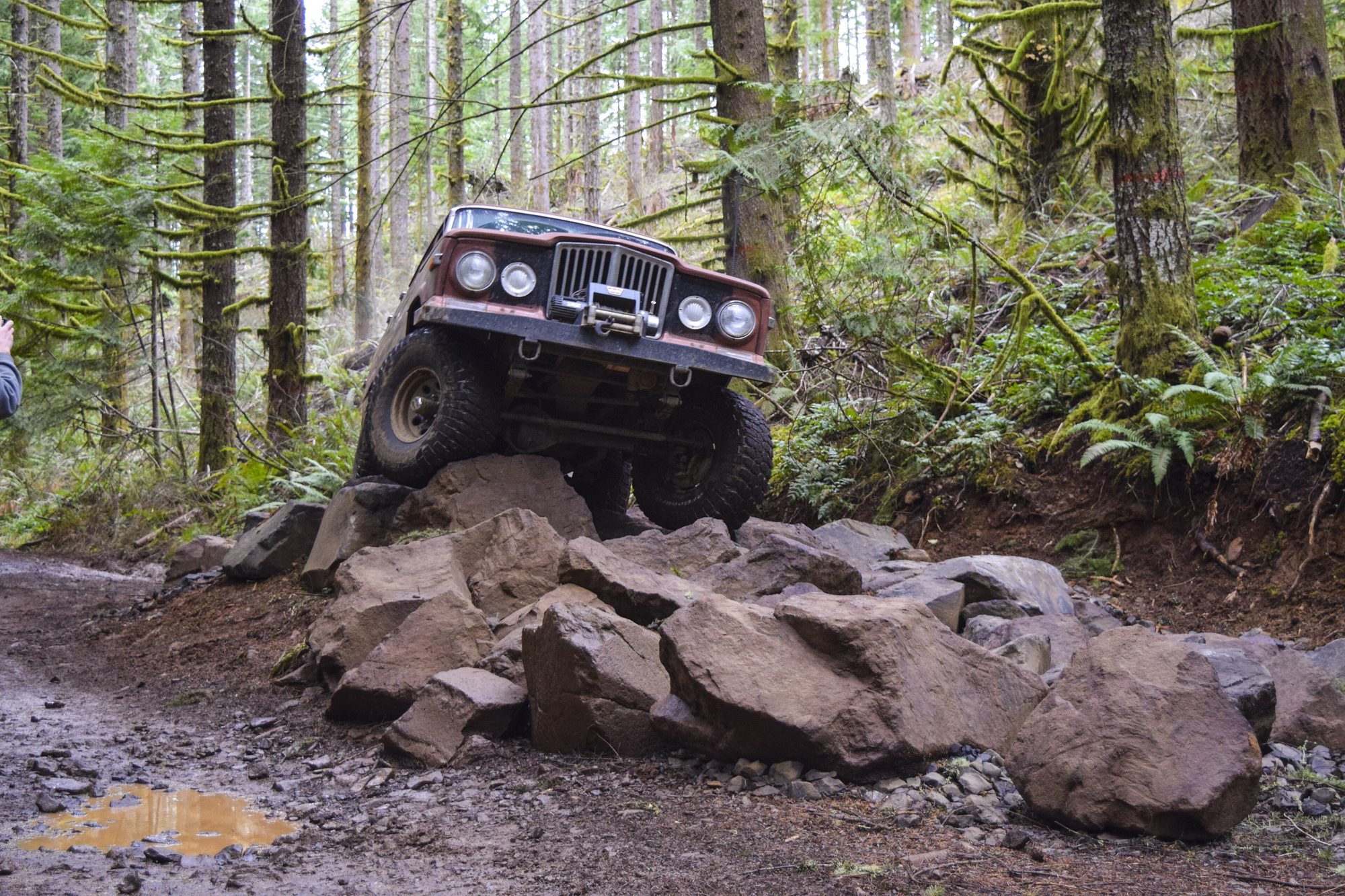
Industrial designer Brooks Stevens shaped the Wagoneer for Kaiser-owned Willys, which renamed itself Kaiser Jeep Corporation shortly after launch. It shared its chassis with the Gladiator pickup and was more car-like than any other 4x4 on sale. It offered an overhead-cam 'Tornado' six of 140 hp, independent front suspension, power steering, an automatic gearbox and optional air conditioning. Development took three years and cost about $20 million. When it arrived it had no direct rival: the two-door Range Rover was still eight years away.
The independent front end did not catch on and was dropped from four-wheel-drive models in 1965. An AMC 327 V8 arrived the same year. The 1966 Super Wagoneer added a 270 hp four-barrel V8, a tilt wheel, a console-shifted TH400 and a power tailgate window. Only about 3,989 were built, and Wikipedia calls it the precursor of today's luxury SUVs. From 1968 to 1971 a Buick 350 'Dauntless' V8 did the work.
AMC TURNS IT INTO A LIMOUSINE
AMC bought Kaiser Jeep in 1970 and refined the truck rather than replacing it. The AMC 360 and 401 V8s arrived after 1971. In 1973 came Quadra-Trac, a full-time 4WD system that saved buyers from locking hubs and a stiff transfer-case lever, and woodgrain side trim appeared from 1971. The 1978 Wagoneer Limited added leather, power seats, cruise control and forged aluminum wheels. At $10,500 it was priced against Cadillacs and Lincolns, and AMC built 28,871 Wagoneers that year.
When the unibody Cherokee XJ arrived for 1984, AMC planned for the compact XJ Wagoneer to replace the big wagon. Demand kept the old truck alive. The Limited became the Grand Wagoneer, which freed the 'Wagoneer Limited' name for the XJ. A cheaper, wood-free Wagoneer Custom lasted only through 1984, and from 1985 there was a single fully loaded version. The 1986 update brought a new grille and hood ornament, a redesigned dash with square gauges, new seats and a Trac-Lok limited-slip for the Selec-Trac driveline.
CHRYSLER LEAVES IT ALONE
Chrysler agreed to buy AMC on March 9, 1987, and largely left the Grand Wagoneer alone. It still made $5,000 to $6,000 per truck, and Chrysler kept building it with the carbureted AMC 360. The 360 became one of the last carbureted engines in an American-built vehicle. The 1989–91 trucks are considered the best: they got a better A/C compressor to replace the earlier leak-prone unit, a rear wiper, an overhead console with compass and thermometer, keyless entry, electrocoat primer and base-clear paint.
Then fuel prices rose with the 1990 oil shock. Sales fell from more than 10,000 in 1989 to 6,449 in 1990, and only 4,253 were built for 1991. The platform would also have needed major re-engineering for upcoming federal light-truck safety rules. Chrysler announced the end on February 27, 1991, offered a gold 'Final Edition' dash badge, and built the last Grand Wagoneer in Toledo on June 21, 1991. The name came back for one year on the 1993 ZJ Grand Cherokee and then returned in 2021 on the WS-platform Wagoneer and Grand Wagoneer.
THE AFTERLIFE: RESTOMODS AND RISING PRICES
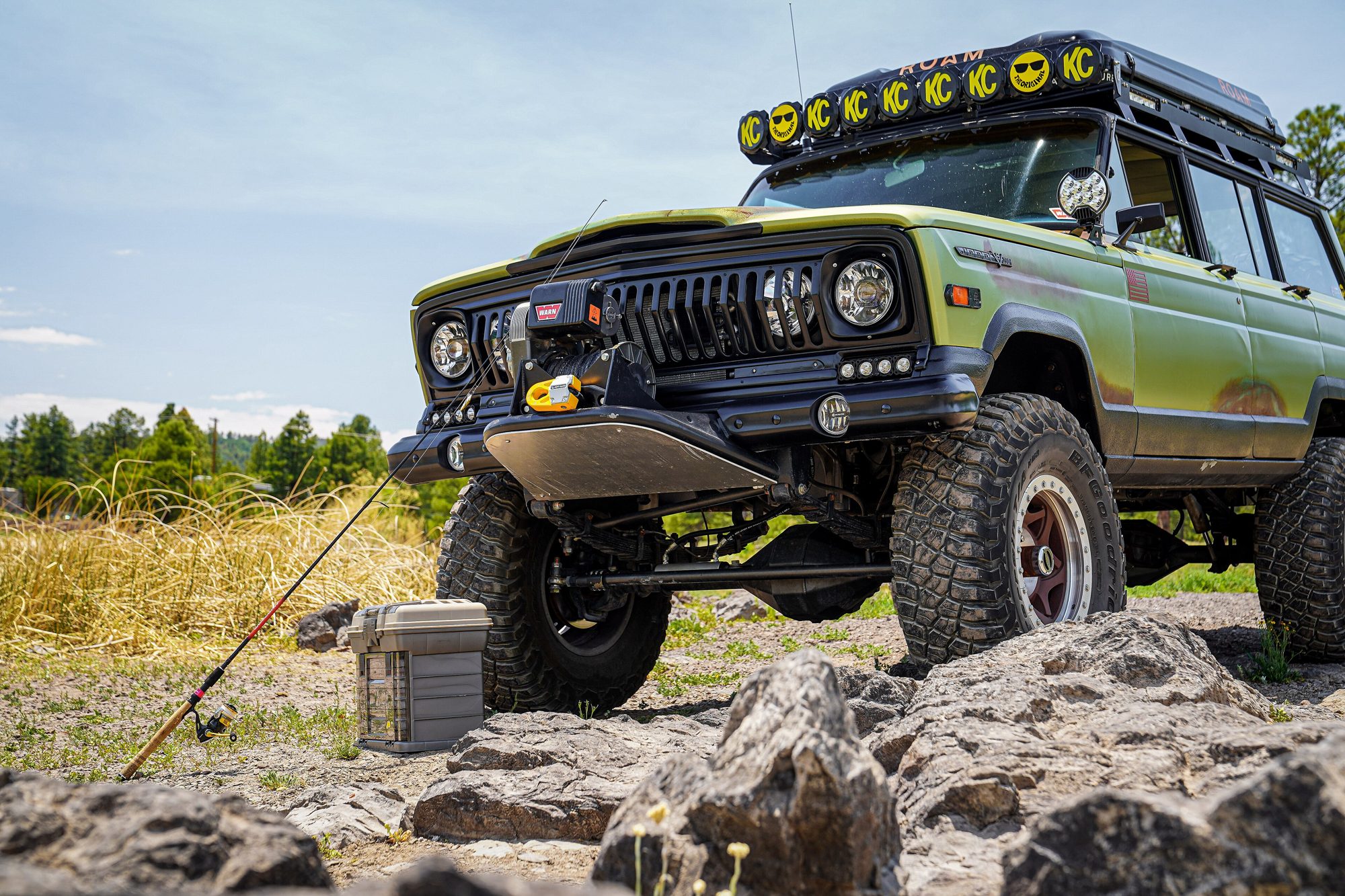
Specialist shops were refurbishing Grand Wagoneers before Chrysler built the last one. Wagonmaster, founded by Leon Miller in Kerrville, Texas, keeps the original look but replaces the carburetor with throttle-body fuel injection. Classic Gentleman, G.K. Kerr's shop in Bemus Point, New York, looks for low-mileage trucks and offers full rebuilds and color changes. In 2019 DrivingLine reported $40,000 to $80,000 for trucks from either shop. Kerr told Hagerty he won't buy trucks from road-salt states.
Hagerty said its Grand Wagoneer values rose an average of 2–6% with each bi-monthly update, with a 1991 in #2 condition at $36,900 and a #1 at $62,200 when that piece ran. By 2021, Wikipedia notes, Hagerty listed the 1984–91 trucks among the most sought-after vintage cars of the COVID-19 pandemic. The 1984–91 Grand Wagoneer belongs to the same era as the FJ60 Land Cruiser and the four-door Range Rover Classic. Of the three, it is the one most likely to be restored with an EFI V8 and sold as a lifestyle object.
SIDEBAR · THE MEXICAN AMBASSADOR
VAM's 4.6-liter six and the 'Ambassador' finale
Mexico had its own full-size Jeeps. Vehículos Automotores Mexicanos built Wagoneers with a 282 cu in (4.6 L) six from its Lerma plant, an engine designed for low-octane fuel and high altitude, and offered Alpina and base trims that never reached the US.
Its last product was the 1987 VAM Wagoneer Ambassador: a four-seater with a second pair of front seats or captain's chairs in place of the rear bench, landau-style rear windows and 'Ambassador' badges. Most sources put production at 10 to 30, in black or white only.