The story
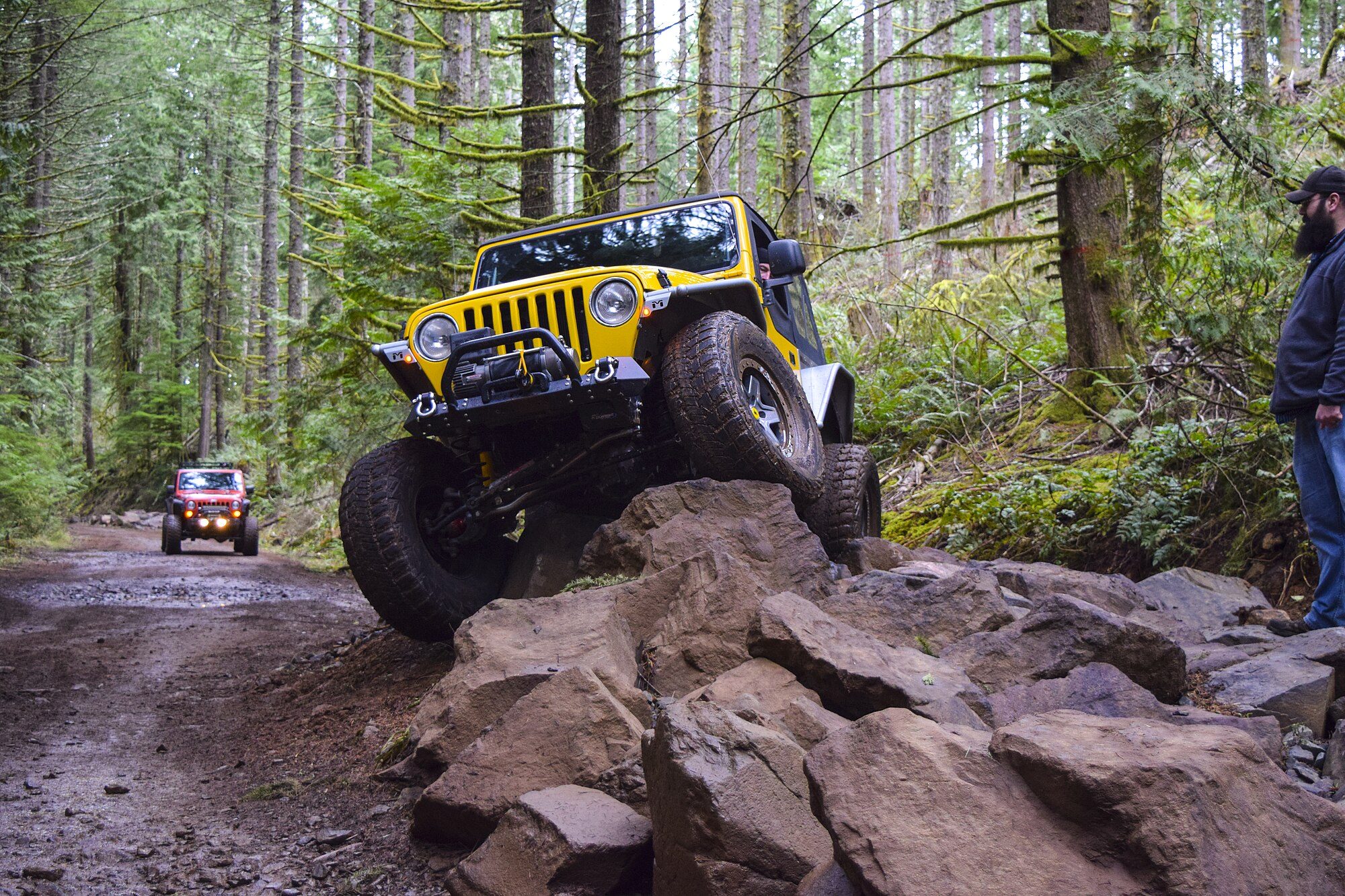
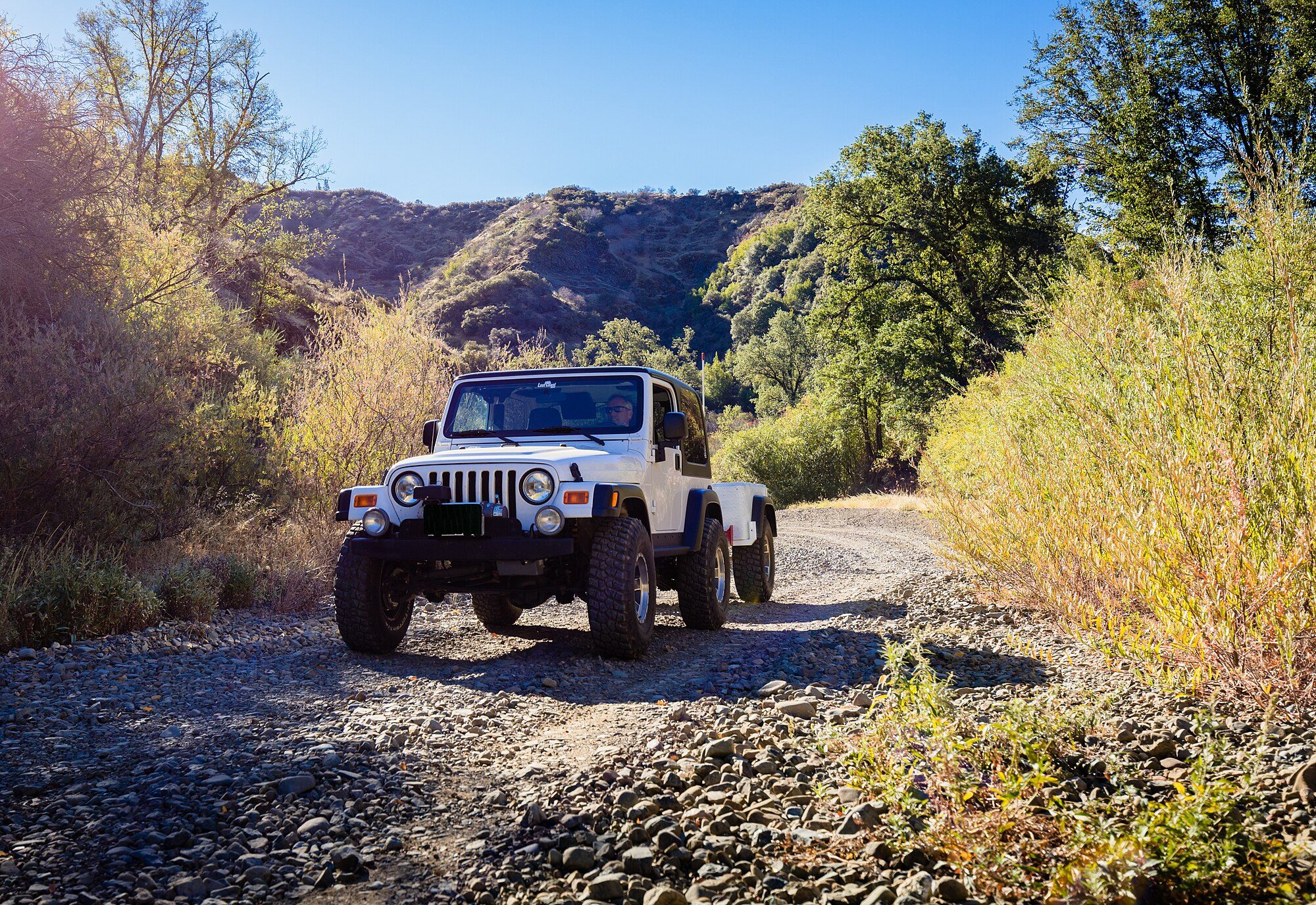
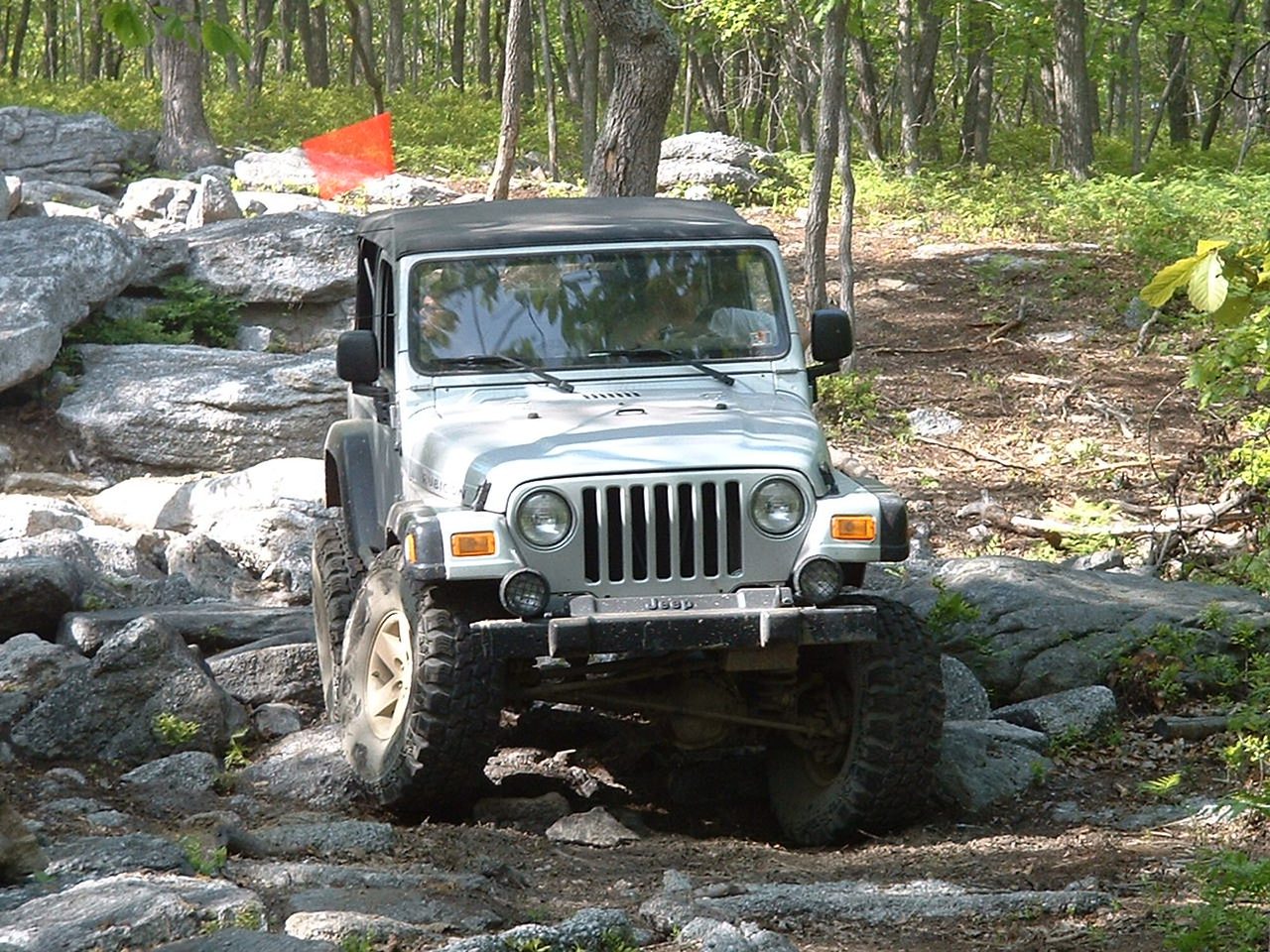
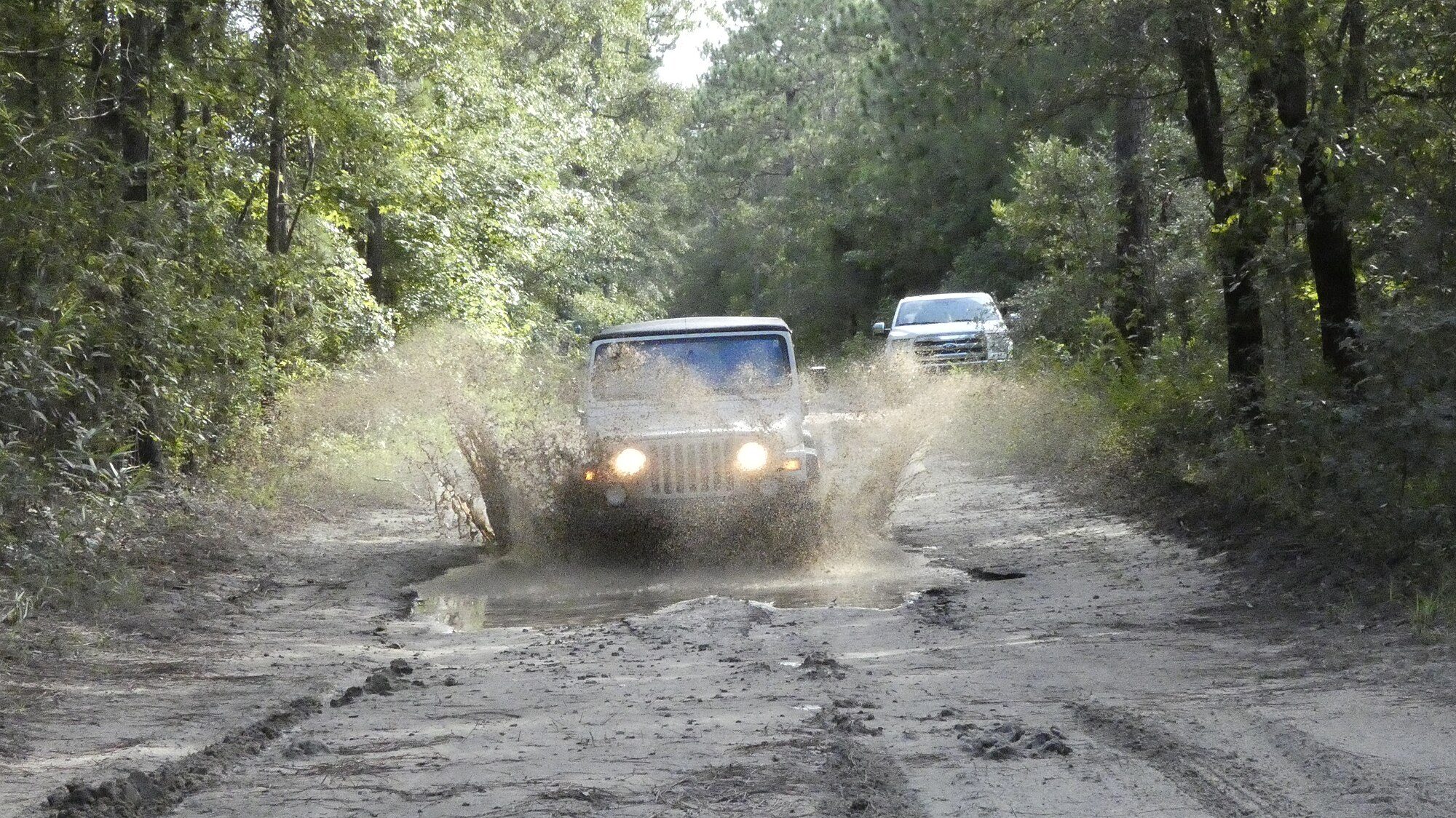
On January 2, 1996, Chrysler showed the new Wrangler at the Detroit auto show, and the square headlights were gone. The TJ brought back round lamps and, more importantly, threw out the leaf springs that Jeeps had used since the war. It used coil springs at all four corners on solid axles, with control arms largely borrowed from the Grand Cherokee. It kept the YJ's 93.4-inch wheelbase and its 4.0 straight-six, reached showrooms in April 1996 as a 1997 model, and became the Wrangler many owners still consider the best of the lot.
A $260 MILLION REINVENTION
Work on a YJ successor began in 1990 in Chrysler's Jeep-Truck Engineering pre-program group under Bob Sheaves and program director Craig Winn. YJ-based mules ran from 1990 to 1993. Michael Santoro's design was chosen in late 1992 and frozen in May 1993, and the program was formally approved in 1993 with a $260 million budget. Drivingline calls that a 'somewhat shoestring budget' and notes that the TJ was the first Wrangler developed with Chrysler's full resources rather than AMC's.
The frame was stiffened, and Drivingline says the new body panels doubled torsional rigidity, making the TJ roughly a third stiffer overall than the YJ. The coil springs and four-link control arms gave much better articulation and a far better ride. The body looked familiar on purpose, but small changes cut drag and noise.
SIXES, FOURS AND A LOT OF GEARBOXES
The 4.0-liter six was the engine to have. Drivingline lists 181 hp and 222 lb-ft for 1997–99 and 190 hp and 235 lb-ft from 2000. Entry trucks used the 2.5-liter AMC four until 2002, then the 2.4-liter PowerTech four with 147 hp. Automatics were the three-speed 30RH and 32RH until 2002, then the four-speed 42RLE. Wikipedia lists the AX-5 manual with the four, the AX-15 with the six through 1999, the NV3550 for 2000–04, the NV1500 with the 2.4 for 2003–04 and the six-speed NSG370 for 2005–06.
The front axle was a low-pinion Dana 30. The rear was a Dana 35 on most trucks, with a Dana 44 optional on the Sport and Sahara. Drivingline calls the Dana 35 'junk' because of its C-clip design. The NP231 Command-Trac transfer case handled part-time four-wheel drive on everything but the Rubicon.
THE RUBICON
In summer 2002 Jeep launched the 2003 Wrangler Rubicon, and it changed what buyers expected from a showroom Jeep. It had Dana 44 axles front and rear with 4.10 gears and air-actuated lockers built by Tochigi Fuji Sangyo. Jeep's launch release said the driver could lock them from a dash switch in low range below 10 mph, with the pneumatic pump running at just 5 psi. It also had the NV241OR Rock-Trac transfer case with a 4.0:1 low range, 31-inch Goodyear MT/R tires and diamond-plate sill guards. RockCrawler reported a crawl ratio of 65.92. Jeep's Craig Love said it combined 'what would typically be aftermarket hardware'. Drivingline calls it the most capable factory TJ you can buy. The long-wheelbase Unlimited (LJ) arrived for 2004, and a Rubicon version followed for 2005.
HOW IT ENDED
Production ran from January 1996 to July 2006, and 2006 was the final model year for both the TJ and the Unlimited. Special editions along the way included the 60th Anniversary (2001, 4,067 built), the Tomb Raider Rubicon (2003), the moss-green Willys (2004–05), the Columbia (2004), and the Golden Eagle and 65th Anniversary in 2006. The JK was unveiled at the Detroit show in January 2006 and went on sale as a 2007 model. It was bigger, wider and available with four doors as the JK Unlimited.
That growth is a big part of the TJ's appeal today. It is still small enough for tight trails, its 4.0 is nearly unkillable when maintained, and the aftermarket for it is enormous. Its enemies are rust, a handful of well-known leaks and, on 2005–06 trucks, an oil pump drive that owners learn to fear.
SIDEBAR · THE LAUGHING MONKEY
Why 2005–06 TJ owners listen to their engines
The 4.0 drives its oil pump through a shaft from the camshaft, called the oil pump drive assembly or OPDA, which also carries the cam position sensor. Quadratec's inspection checklist flags 2005–06 4.0 TJs for OPDA failure and says owners describe the warning noise as a 'laughing monkey'.
Sources describe the flaw slightly differently. Dorman's replacement listing says the factory upper bushing (steel, by its account) is starved of oil, so the center shaft can seize and destroy the cam bearing. Crown's listing at Quadratec describes two bronze bushings with a seal that cuts the upper one off from oil. Quadratec's advice is blunt: without records of a replacement or update, deal with it before it damages the engine.