The story
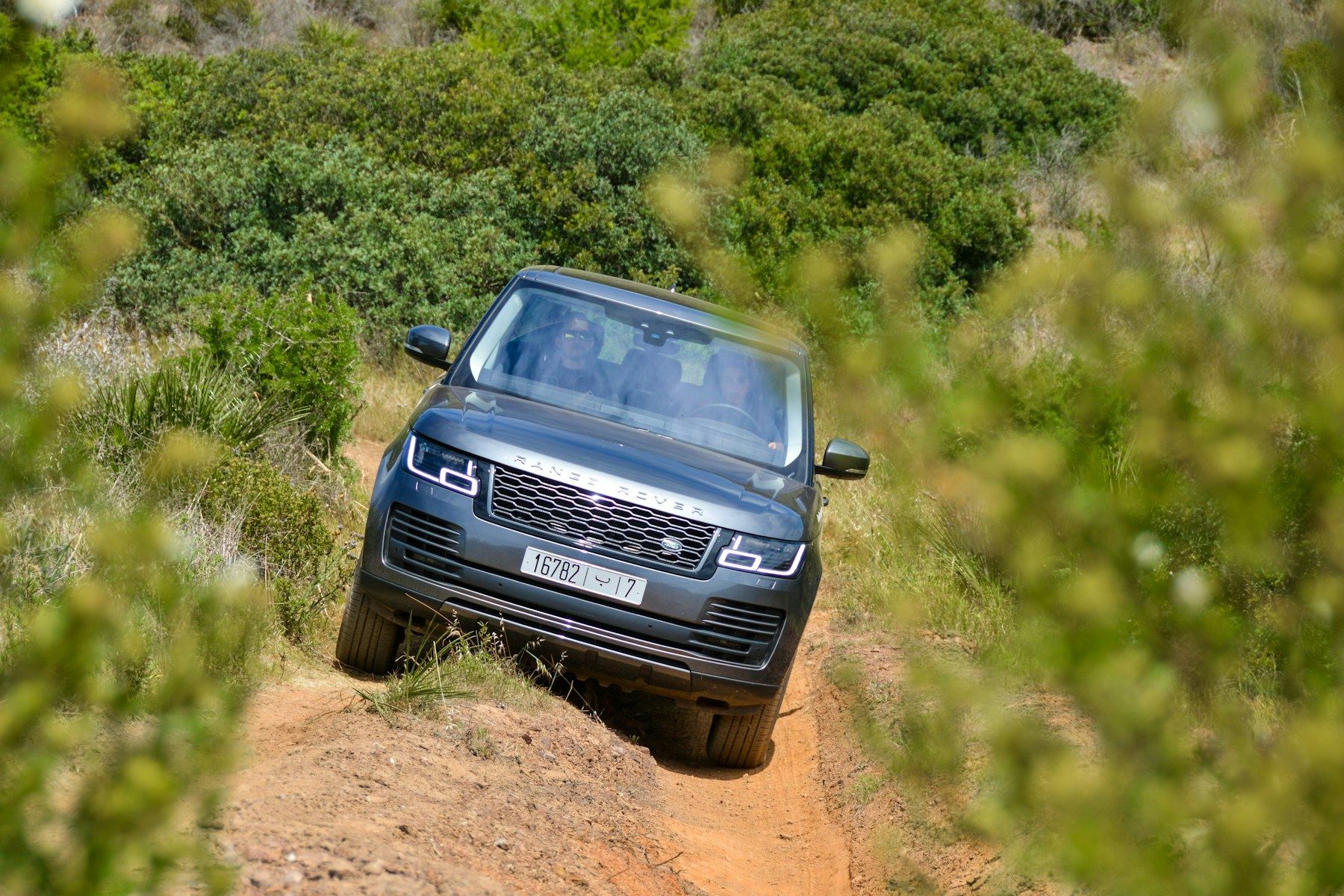
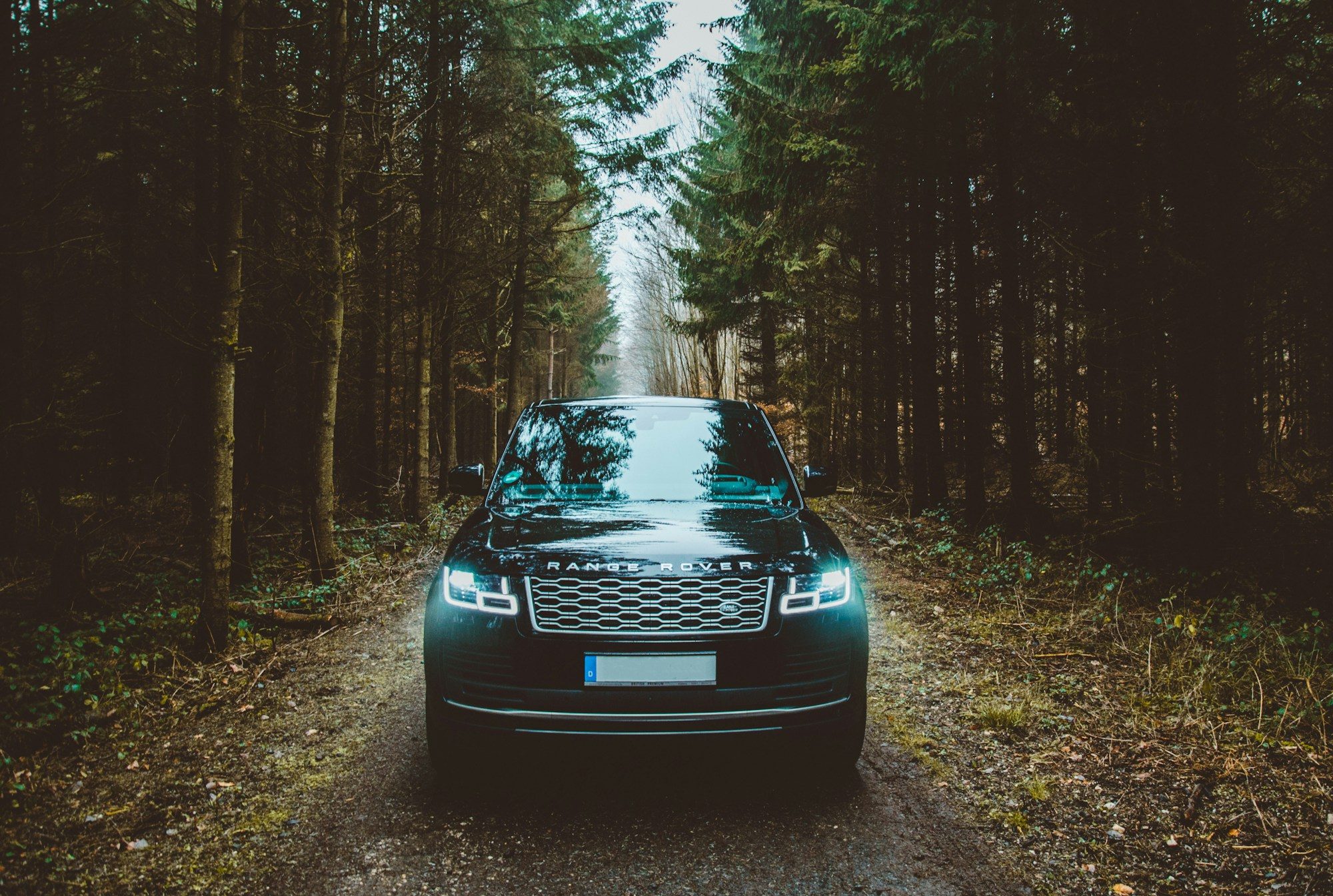
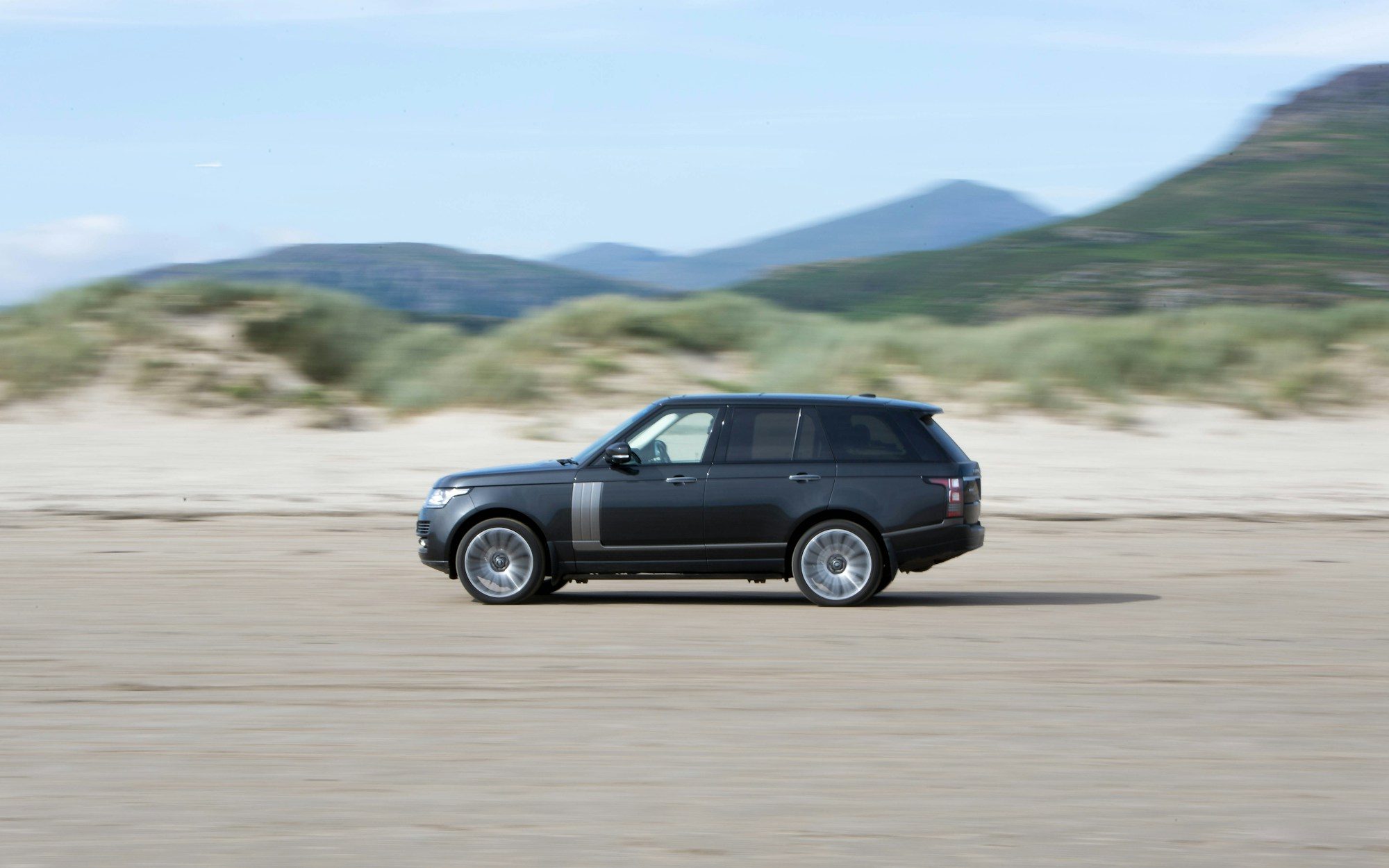
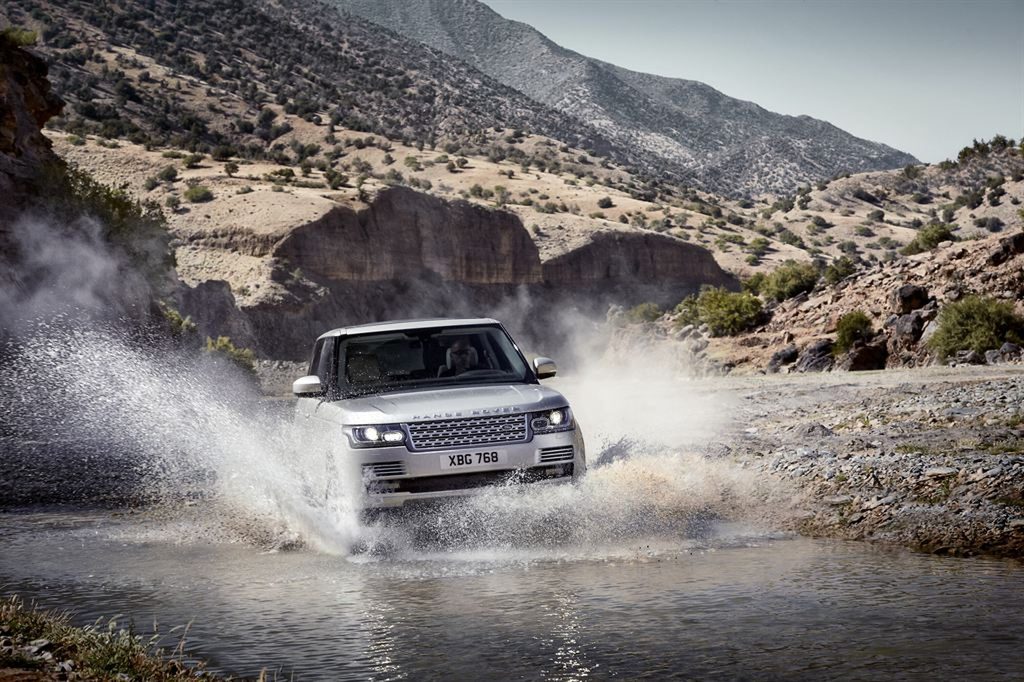
The fourth-generation Range Rover broke cover at the 2012 Paris Motor Show and did something no full-size 4x4 had done before: it threw away the steel. Land Rover calls the L405 the first production SUV with an all-aluminium monocoque, and the diet was dramatic — the body-in-white was 39 percent lighter and the whole truck shed about 420 kg (926 lb) against the steel L322. It still had a two-speed transfer box, cross-linked air springs and a 900 mm wading depth. It was simply built from the same stuff as a beer can.
LIGHTER, STIFFER, POSHER
Gerry McGovern's design team kept the floating roof, the clamshell bonnet and the upright glasshouse, then smoothed everything else. Underneath, the aluminium shell was built in a new all-aluminium facility at Solihull, using a high-strength alloy with up to 50 percent recycled content. The weight saving went straight into performance and economy: launch engines were a supercharged 5.0 V8, a 3.0 TDV6 and a 4.4 SDV8, all driving through a ZF eight-speed automatic and a Magna Steyr DD295 two-speed transfer case with a 50/50 torque split.
Off-road, the numbers moved the right way. In a UK road test of the launch TDV6, Land Rover quoted 303 mm of ground clearance (up 17 mm), a 900 mm wading depth (up 200 mm), and approach and departure angles of 34.7 and 29.6 degrees. Terrain Response 2 could now read the surface itself and choose between grass/gravel/snow, mud, sand and rock crawl. It would also back off the active anti-roll bars to let the wheels droop when it sensed the truck was off the tarmac.
STRETCHED, HYBRIDISED, FACELIFTED
The range grew sideways for nine years. A long-wheelbase version, 200 mm longer between the axles at 3,122 mm, arrived at the 2013 Los Angeles show. A supercharged 3.0 V6 joined in 2014, an SDV6 diesel-electric hybrid followed, and Special Vehicle Operations turned the 5.0 V8 up to 550 PS, then 565 PS, for the SVAutobiography Dynamic. America finally got a diesel, the 254 hp Td6, for the 2016 model year. It was rated at 22 mpg city and 28 highway, against 14 and 19 for the supercharged V8.
The 2018 facelift brought a four-bar grille, new LED lights, thicker glass, and a second touchscreen in place of the climate knobs. The P400e plug-in hybrid followed, pairing a 2.0-litre Ingenium four with a 13.1 kWh battery and an 85 kW motor for 404 PS. Late trucks gained Ingenium straight-sixes, including a 3.0 mild-hybrid petrol for the 2020 model year. One planned derivative never made it: the three-door, 999-unit SV Coupé, shown at Geneva in 2018, was cancelled in January 2019 for financial reasons.
THE CATCH
All that cleverness has a price, and second owners pay it. Specialist guides single out pre-2015 cars for the most electrical and body faults. The 3.0 TDV6 family is known for crankshaft and bearing failures, which a 2014 Land Rover bulletin blamed mainly on bearing shells being located wrongly or rotating. The supercharged 5.0 V8 eats timing-chain guides and cracks its plastic coolant pipes, and the air suspension wants compressors and struts. NHTSA lists keyless door-latch recalls for 2013–2016 trucks and front-knuckle cracking recalls for 2014–2017 trucks. None of that stops a sorted L405 being a superb, genuinely capable expedition limo — exactly why Lucky8 built a lifted, winched, rock-slidered 'Project L405' out of a supercharged one.
LEGACY
The L405 ran from 2012 to 2021, which Top Gear noted is an age in motoring terms, and the Velar, named after the 1967 prototypes, was spun off during its lifetime. It was replaced by the L460 in late 2021. For off-roaders it is now the newest full-size Range Rover with real aftermarket support: lift rods, rock sliders, hidden winch mounts and 285-section all-terrains. Treat it like the 2.3-tonne computer it is, and it will go most places a Land Cruiser 200 goes — just more quietly, and with more dashboard messages.
SIDEBAR · 2015 ROYAL COMMISSION
The topless Range Rover built for the Queen
In June 2015 Land Rover delivered a one-off 'State Review' Range Rover for Queen Elizabeth II. It was based on the long-wheelbase L405 Hybrid, with a 3.0 SDV6 diesel and an electric motor making 335 hp and 700 Nm, and it could run in pure electric mode. The rear passenger compartment had no roof, so the monarch could stand and wave. Land Rover Design built it with engineering input from Special Vehicle Operations.
It made its royal debut in Cardiff, when the Queen presented new Colours to the Royal Welsh Regiment. It was the fourth State Review vehicle from Land Rover: the first was a 1953 Series I, and this one replaced the State Review Range Rover in service since 2002.