The story
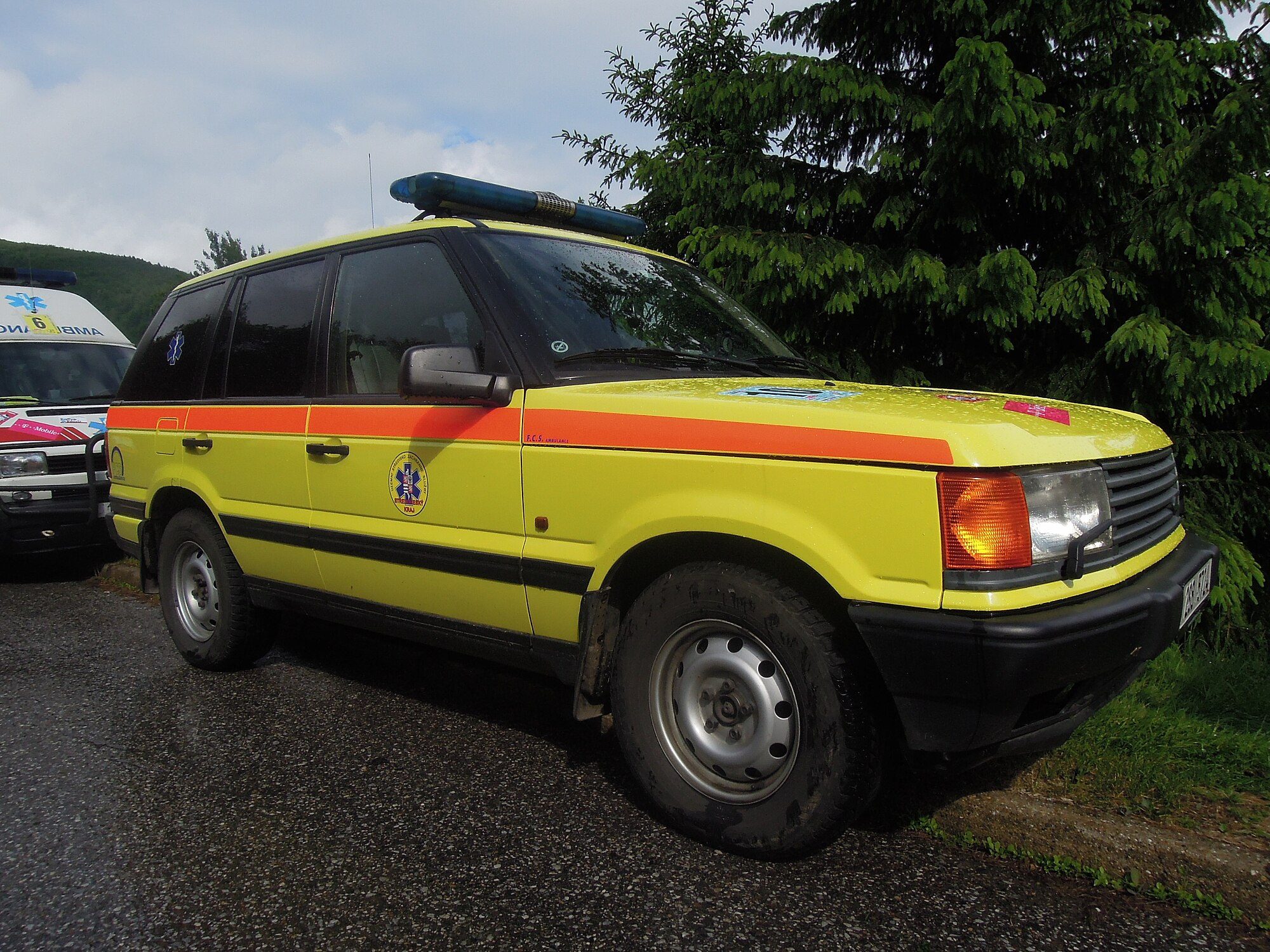
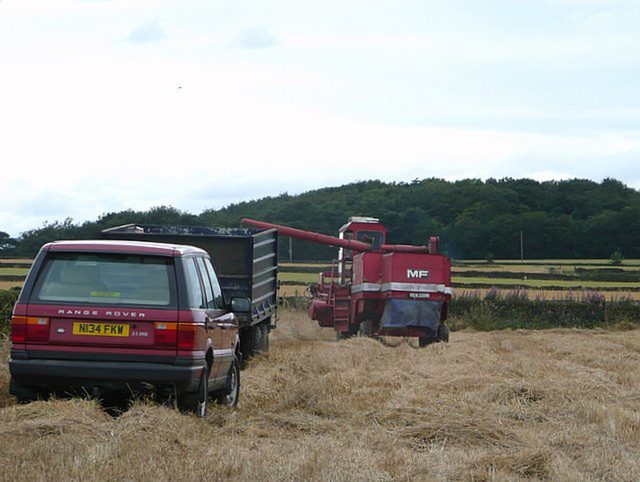
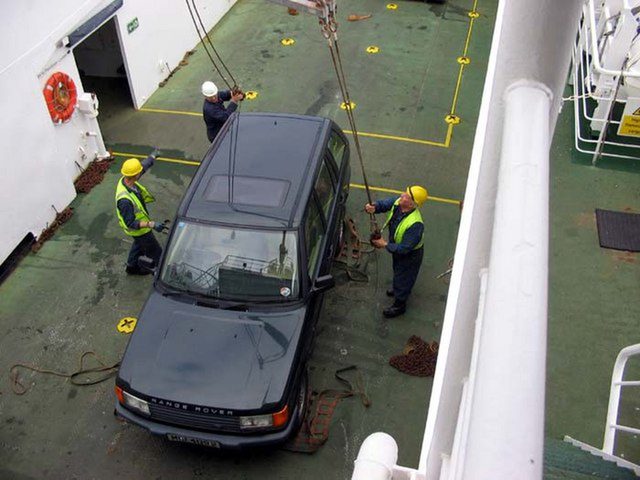
Following a 24-year-old legend is a thankless job, and the P38A did it in September 1994 with a straight face. Land Rover called it the New Range Rover; everyone else named it after the office block the engineers worked in. Underneath the squarer, plusher body it was still a proper Rover: a separate steel chassis, live axles front and rear, a two-speed transfer box and the faithful aluminium V8. On top it piled self-levelling air suspension, a body computer under the right-hand front seat and enough wiring to cable a small town. Thirty years on, that split personality is exactly why it is both the bargain and the booby trap of the Range Rover family.
PEGASUS, DISCOVERY AND BLOCK 38A
The project started life as "Pegasus", then wore the cover name "Discovery" to confuse snooping journalists — awkward, since Land Rover had a real Discovery on sale. When the team moved into Block 38A at Solihull, the building's name stuck, and P38A it has been ever since. Inside the company it was the LP. Styling director George Thomson's in-house design was chosen over a Bertone proposal, and production at Solihull began in 1994 with sales running to the 2002 model year in the US.
It could have been very different under the bonnet. During development a pair of prototypes was fitted with BMW's 5.4-litre M73 V12 from the 750i, but the idea was shelved and never reached production. Instead buyers got the Rover V8 in 4.0 and new 4.6-litre forms, plus — outside North America — a 2.5-litre BMW M51 straight-six turbodiesel with 136 hp. The petrol V8s could be had with an R380 five-speed manual or ZF automatics; the 4.6 was automatic-only.
AIR, ELECTRONS AND A SMARTER TRANSFER BOX
The headline hardware was the Electronic Air Suspension, developed from the late Classic LSE system. It offers five heights — Access, Motorway, Standard, Off-Road and an Off-Road Extended setting the computer selects on its own when it senses the truck is beached. It lowers itself at speed and lifts for obstacles, which is lovely until a perished air spring or tired compressor leaves one corner kneeling in your driveway.
The drivetrain went electronic too. The BorgWarner 4462 transfer box shifts between high and low range with an electric actuator rather than a lever, selected through an H-gate on automatic trucks and a dash switch on manuals, and the truck has to be nearly stopped to change. Traction control started out rear-only on the 4.0 and diesel, with the 4.6 getting four-wheel control; from mid-1999 the V8s switched from Lucas GEMS to Bosch Motronic engine management, and later trucks got four-wheel traction control across the range.
WHY IT'S STILL WORTH YOUR WEEKENDS
Strip away the reputation and the P38 is a long-travel, beam-axle 4x4 with real low range, 3,500 kg of braked towing capacity and a 100-litre tank — a better overland base than its price suggests. The aftermarket agrees: Terrafirma makes sliders, winch bumpers, a snorkel and lift springs for it, and Lucky8 developed a 4-inch coil kit on its own P38 project truck. Converting to coils is a bolt-in job if you'd rather not carry an air compressor through the backcountry.
The flip side is that P38s are now cheap enough to be neglected. Classic magazines put good runners at a couple of thousand pounds and project cars at a few hundred, and plenty have had years of deferred maintenance. Ignore the cosmetics and buy on cooling-system health, a dry body computer and a working EAS; then budget for blend motors, heater O-rings and bushes. Do it yourself and the P38 is one of the best-value long-travel 4x4s on the road.
THE END OF THE LADDER
The P38 was the last Range Rover with a separate chassis, live axles, a manual gearbox option and a classic two-speed transfer box. Its replacement, the L322, was developed under BMW with a monocoque body and independent air suspension, and every Range Rover since has followed that path. For buyers who want the ladder frame, the P38 sits between the hand-tool simplicity of the Classic and the computer-dependent L322. It's the last one you can still fix with mostly analogue hardware, plus a diagnostic tool for the electronics.
SIDEBAR · FUN FACT
The BMW V12 Range Rover that never was
Somebody at Land Rover clearly wanted to know what a Range Rover would be like with a German V12. Two P38 prototypes were built with the 5.4-litre M73 V12 from the BMW 750i before the project was shelved. None reached production.
BMW's influence did make it to showrooms in a quieter form: the diesel P38 used BMW's 2.5-litre M51 turbodiesel six, and from mid-1999 the V8s ran Bosch Motronic management closely related to the system in the E38 7 Series. The next Range Rover, the L322, went much further and shared its first engines and electronics with the 7 Series.