The story
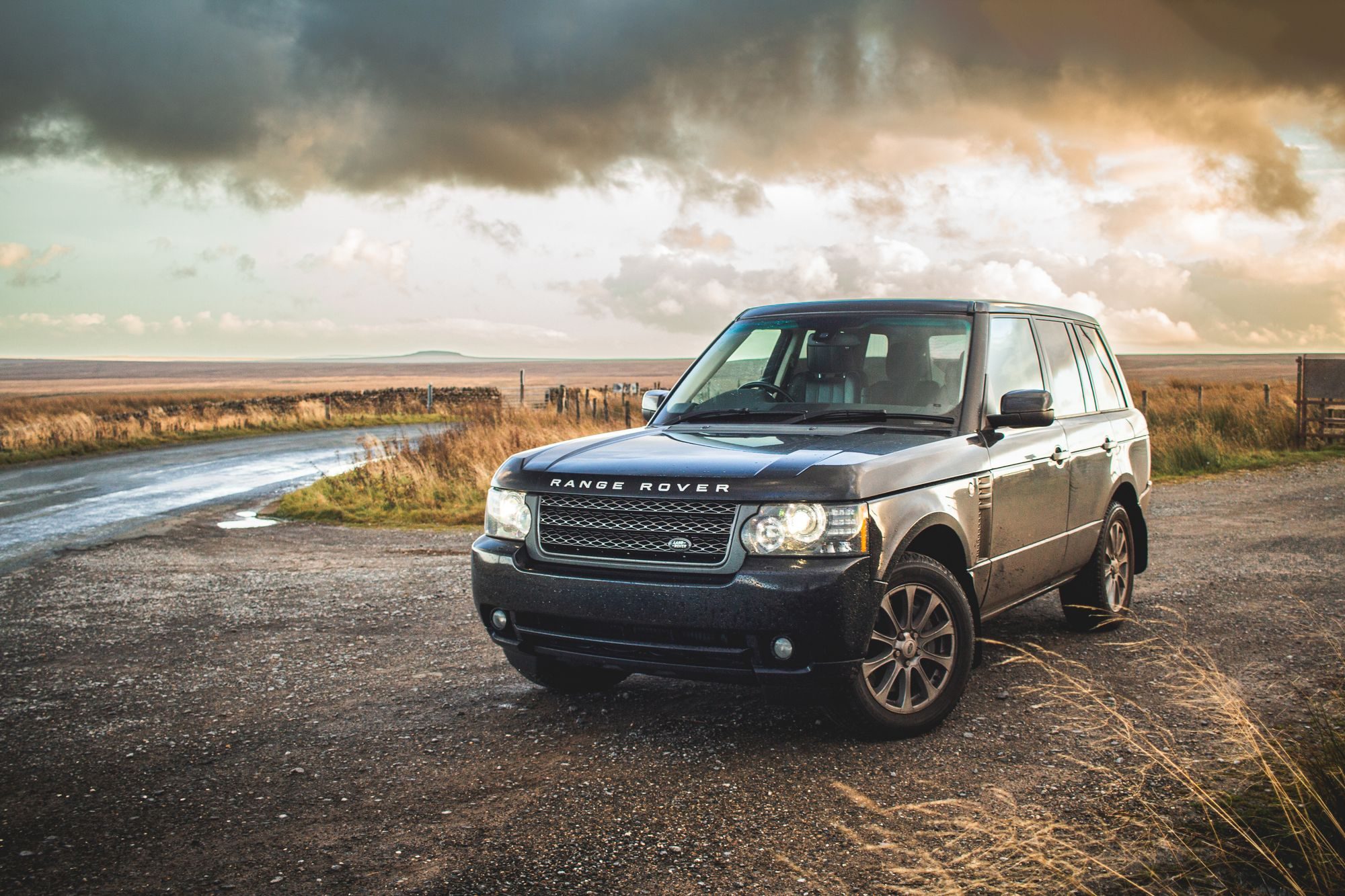
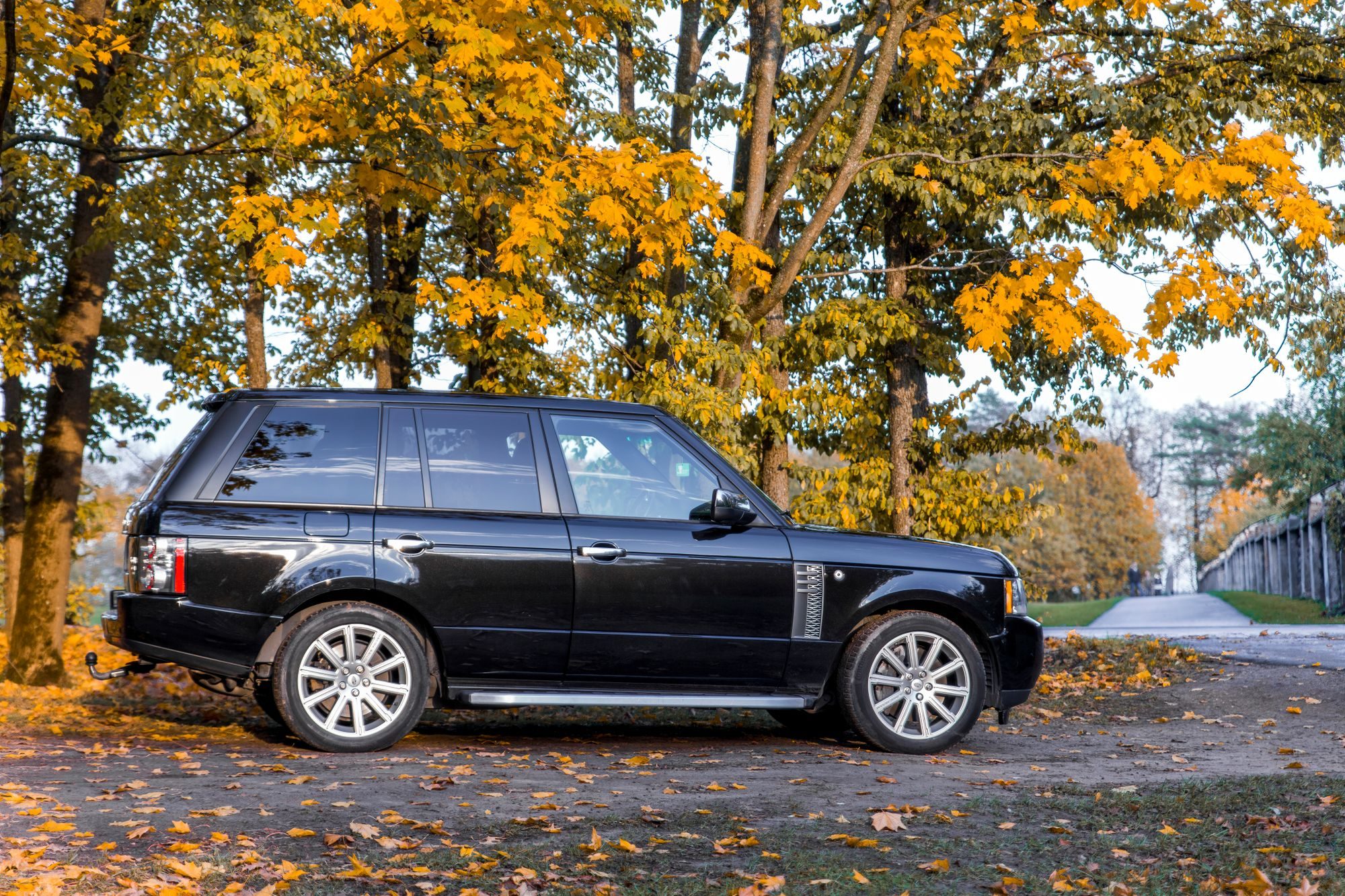
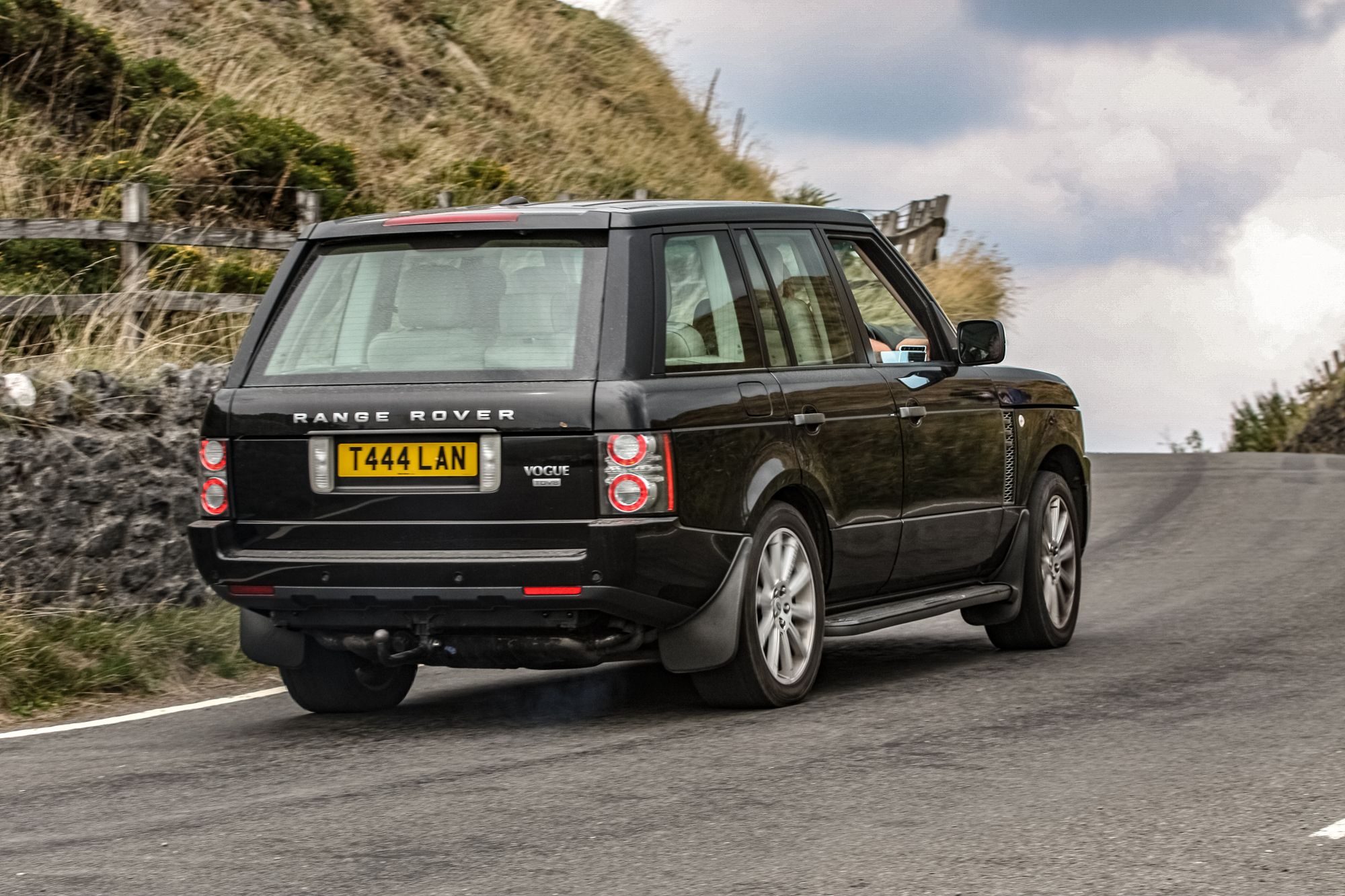
The third Range Rover was a clean break. The P38 had wrapped new electronics around old Land Rover hardware. The L322 threw out the ladder frame and the beam axles and started again: a unitary body, independent air suspension at all four corners and, at launch, BMW engines and electronics. Purists called it heresy. Then they drove it off-road and found that its cross-linked air springs let the wheels droop and stuff much like the old live axles did. Twenty years later it's the cheapest way into a properly capable luxury 4x4, and a minefield for anyone who buys one without receipts.
THE BMW RANGE ROVER FORD LAUNCHED
Under BMW ownership the project was codenamed L30. Joint Rover and BMW teams developed it, first at BMW's FIZ research centre in Munich and then at Solihull for the final stages. The plan was to share electronics and core engines with the E38 7 Series. Then BMW sold Land Rover to Ford about two years before production started, though the contract kept BMW involved until volume production was under way. Ford renamed the project L322, and the truck went on sale in 2002, arriving in North America as a 2003 model.
That handover explains the L322's three engine eras. Early petrol trucks used BMW's 4.4-litre M62 V8 (286 PS), and outside North America there was a BMW 2.9-litre Td6 diesel. For the 2006 model year Ford switched to Jaguar's AJ-V8 in 4.4-litre (305 PS) and 4.2-litre supercharged (400 PS) forms, behind a six-speed ZF. The 2010 facelift brought Jaguar Land Rover's 5.0-litre V8s: 375 PS naturally aspirated, 510 PS supercharged.
A LIVE AXLE IN DISGUISE
The off-road trick was in the plumbing. MacPherson struts at the front and double wishbones at the rear ride on air springs, and the valves linking each side's springs can make the suspension behave like a live axle when the truck is crossed up. Permanent four-wheel drive runs through a chain-driven two-speed transfer case that can shift between high and low on the move. Early trucks used a Torsen centre differential with a 50:50 split that could send up to 65% of torque to either axle.
From the 2007 model year the L322 got the Terrain Response system from the LR3 and Range Rover Sport, a lockable centre differential and, on Supercharged models (optional elsewhere), an electronically locking rear diff. That year also brought stiffer anti-roll bars and air springs, and the TDV8 twin-turbo diesel replaced the BMW six outside North America. Later updates revised the sand, rock-crawl and hill-descent programs, added hill-start assist, and the 2011 4.4 TDV8 with ZF's eight-speed automatic.
LIVING WITH ONE NOW
The L322's reputation is mostly about three failures. The BMW M62's nylon timing-chain guides go brittle with age and break, and a broken guide can wreck the engine. The 5.0-litre V8 has its own chain-tensioner and guide wear, and replacing the chains is a big, specialist job. The air suspension, as on every Range Rover since, eventually needs compressors, springs and height sensors. Owners who keep L322s running long-term replace the guides before they fail, service the 'sealed for life' gearboxes anyway, and treat a diagnostic tool as standard equipment.
Get past that and the truck rewards you. Running parts are cheap from aftermarket suppliers, Atlantic British publishes free how-to videos for most routine jobs, and the aftermarket offers sump guards, bush kits and sensor-rod lifts. A well-sorted 2007–2009 or a documented 2011–2012 is one of the most comfortable ways to reach a trailhead. With a sensor-rod lift and all-terrain tyres, it will keep going after the trailhead too.
LEGACY
Land Rover built 293,494 L322s before the all-aluminium L405 replaced it in 2012. It set the template every Range Rover since has followed: monocoque body, four-corner air suspension, and electronics deciding how the power reaches the ground. Atlantic British's ROVERLOG blog says it ranks second only to the Classic in Range Rover fans' affections. In its day it was the truck that bridged the gap between a Land Cruiser 100 or LX 470 and a W463 G-Class — plusher than the Toyotas, more road-friendly than the Mercedes.
SIDEBAR · SPECIAL EDITIONS
Anniversaries, Autobiographies and an armoured Vogue
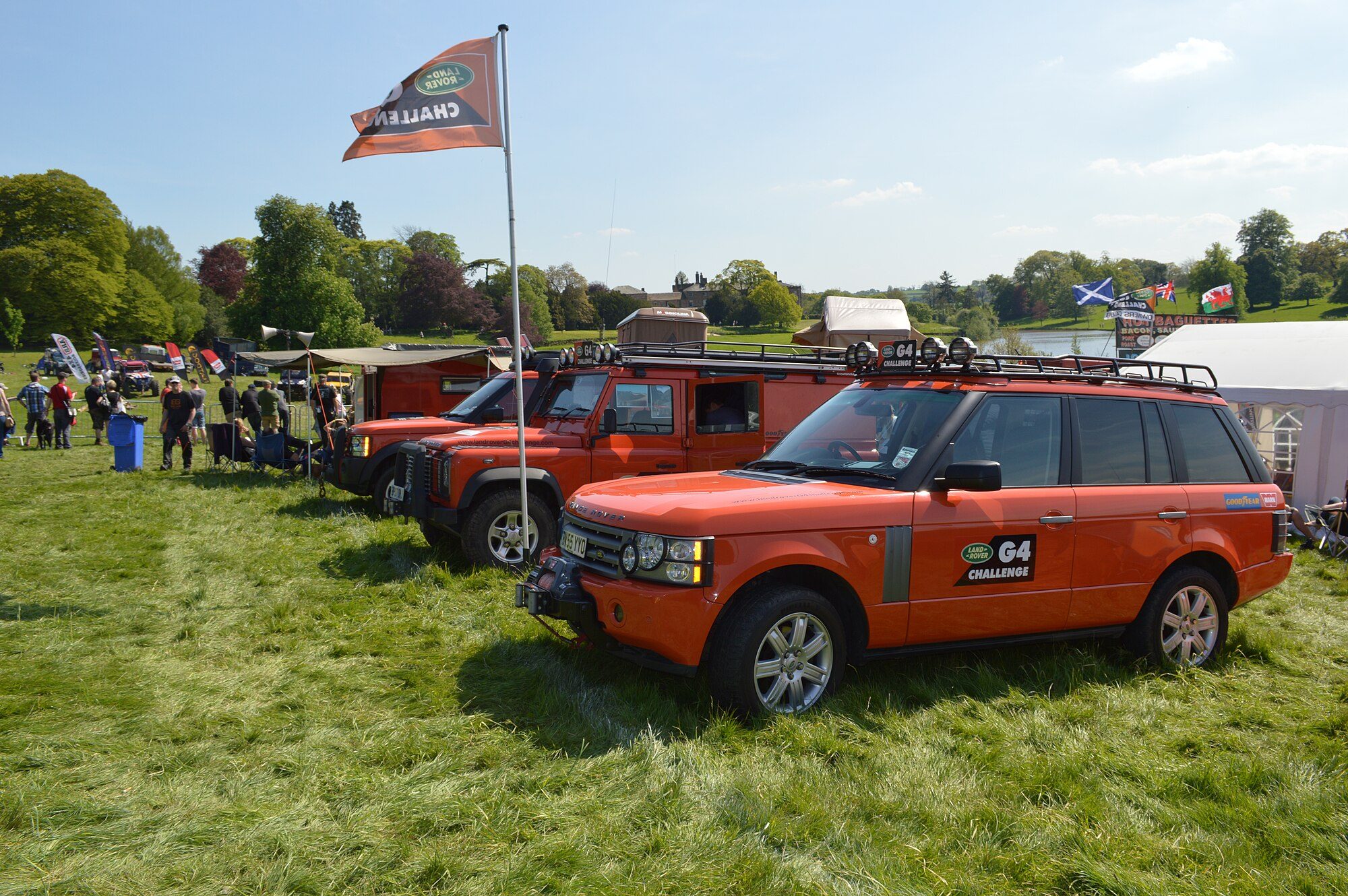
Late L322s were sold with plenty of special editions. North America got a 20th Anniversary edition of 40 supercharged trucks in pearl white. The UK had 30 Claret-painted supercharged 35th Anniversary cars. The 40th Anniversary Autobiography Black ran to 700 cars, and the run-out Autobiography Ultimate Edition (500 cars) came with rear-seat iPads, a refrigerator and reclining climate-controlled rear seats.
The oddest one was built for people with enemies. In 2007 Land Rover offered an Armoured Range Rover Vogue, developed with Armour Holdings and certified to the European B6 ballistic standard. In 2010 Overfinch built a Holland & Holland edition, with the gunmaker acting as design consultant.