The story
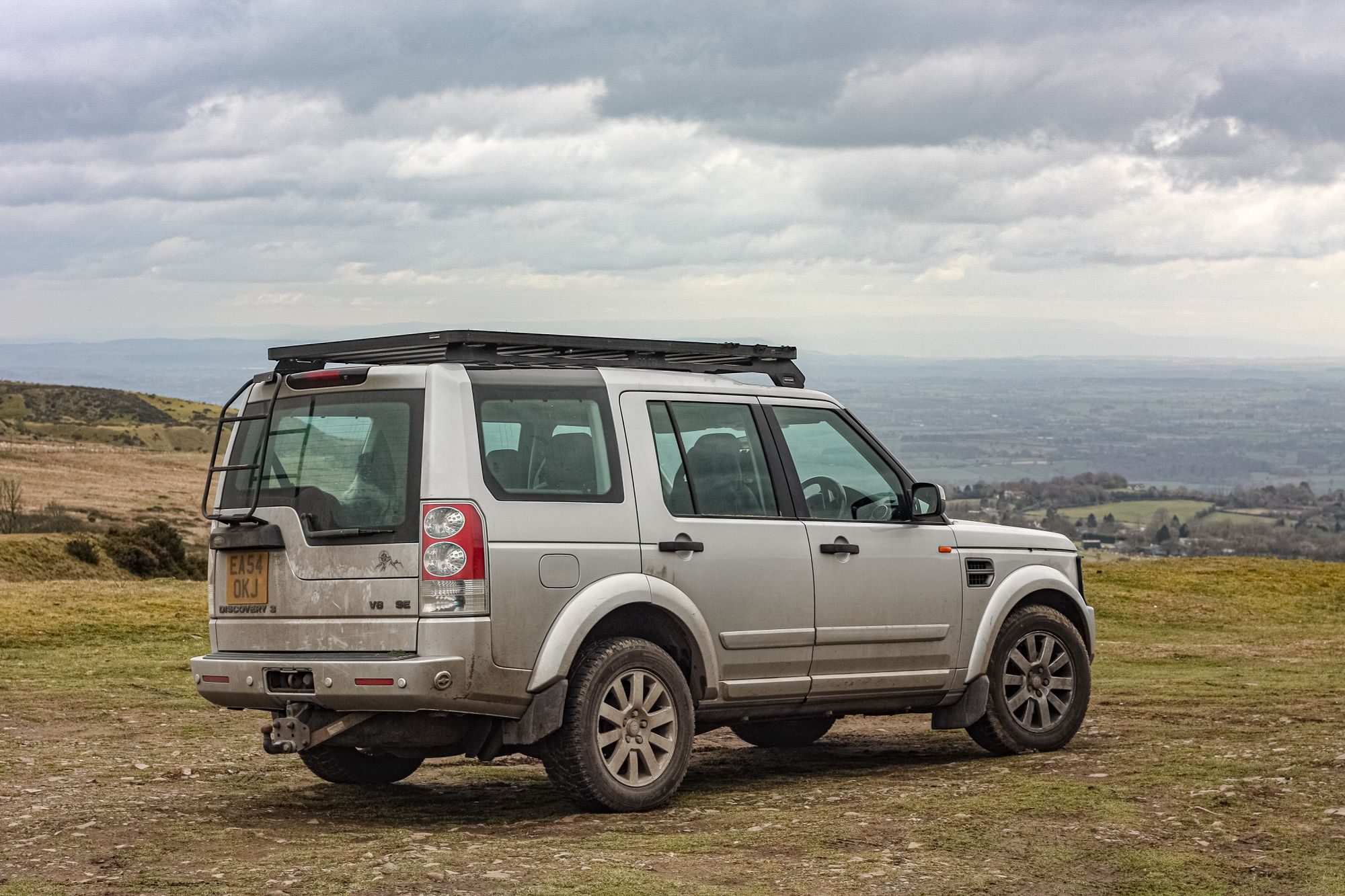
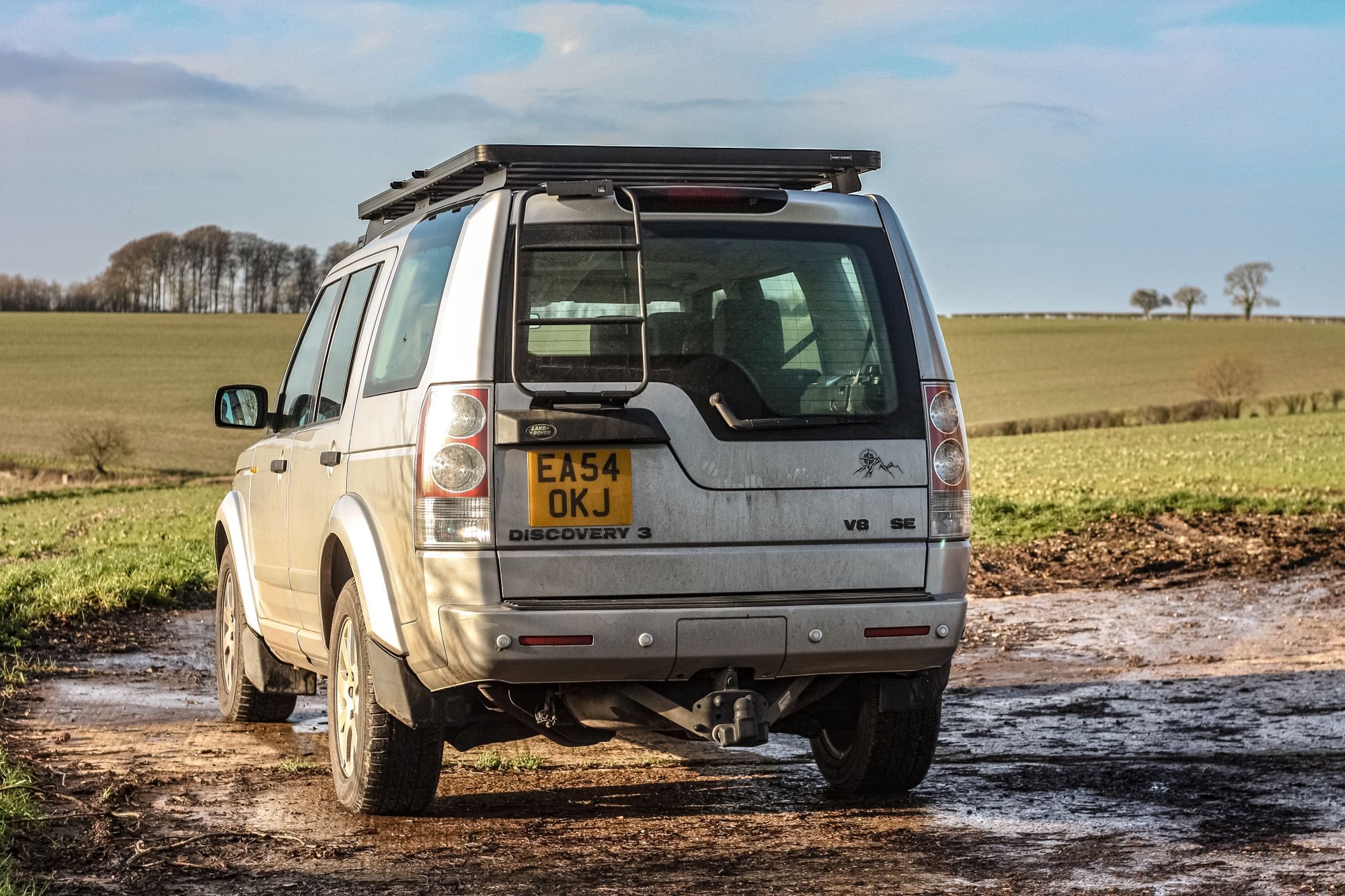
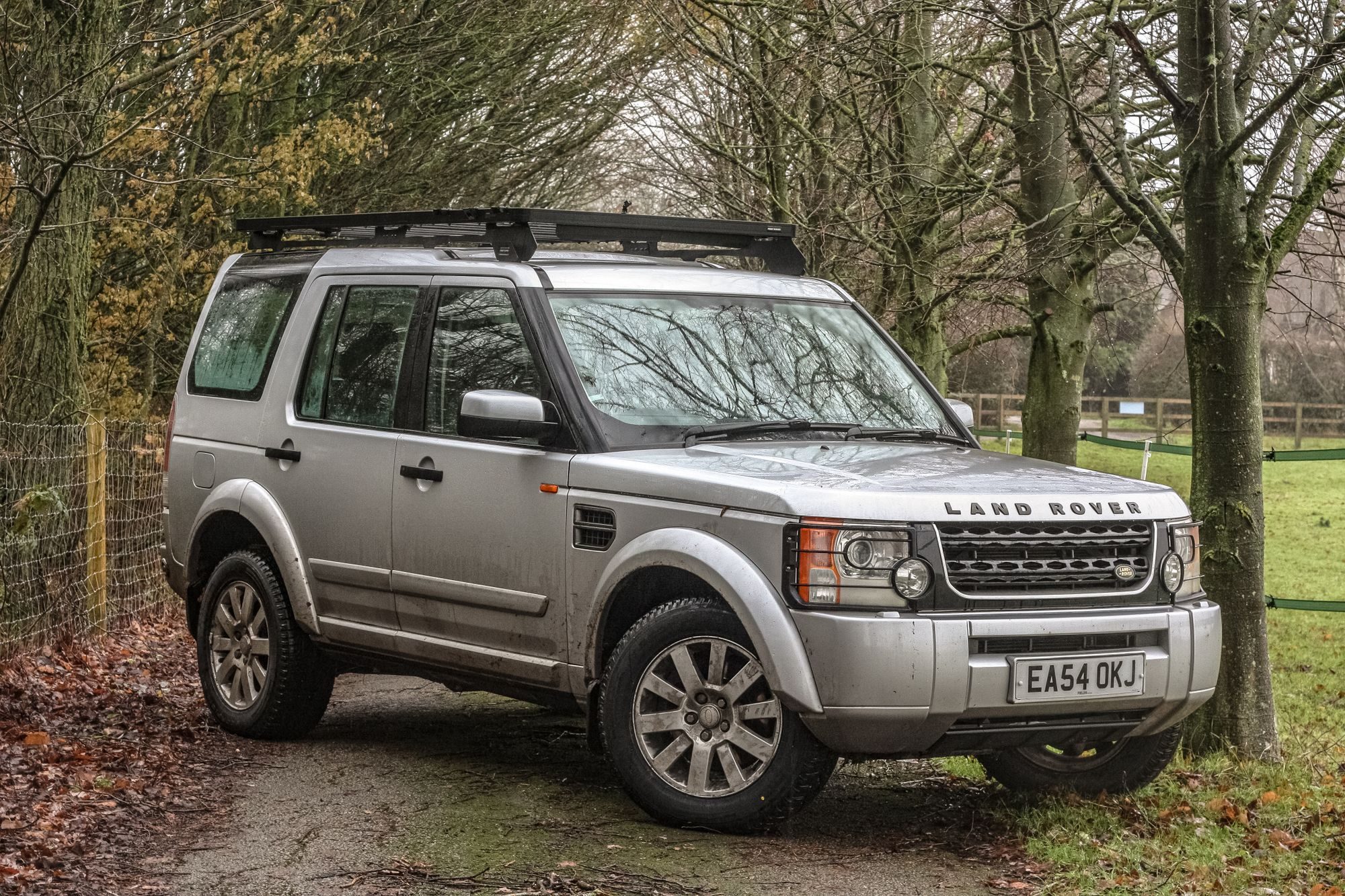
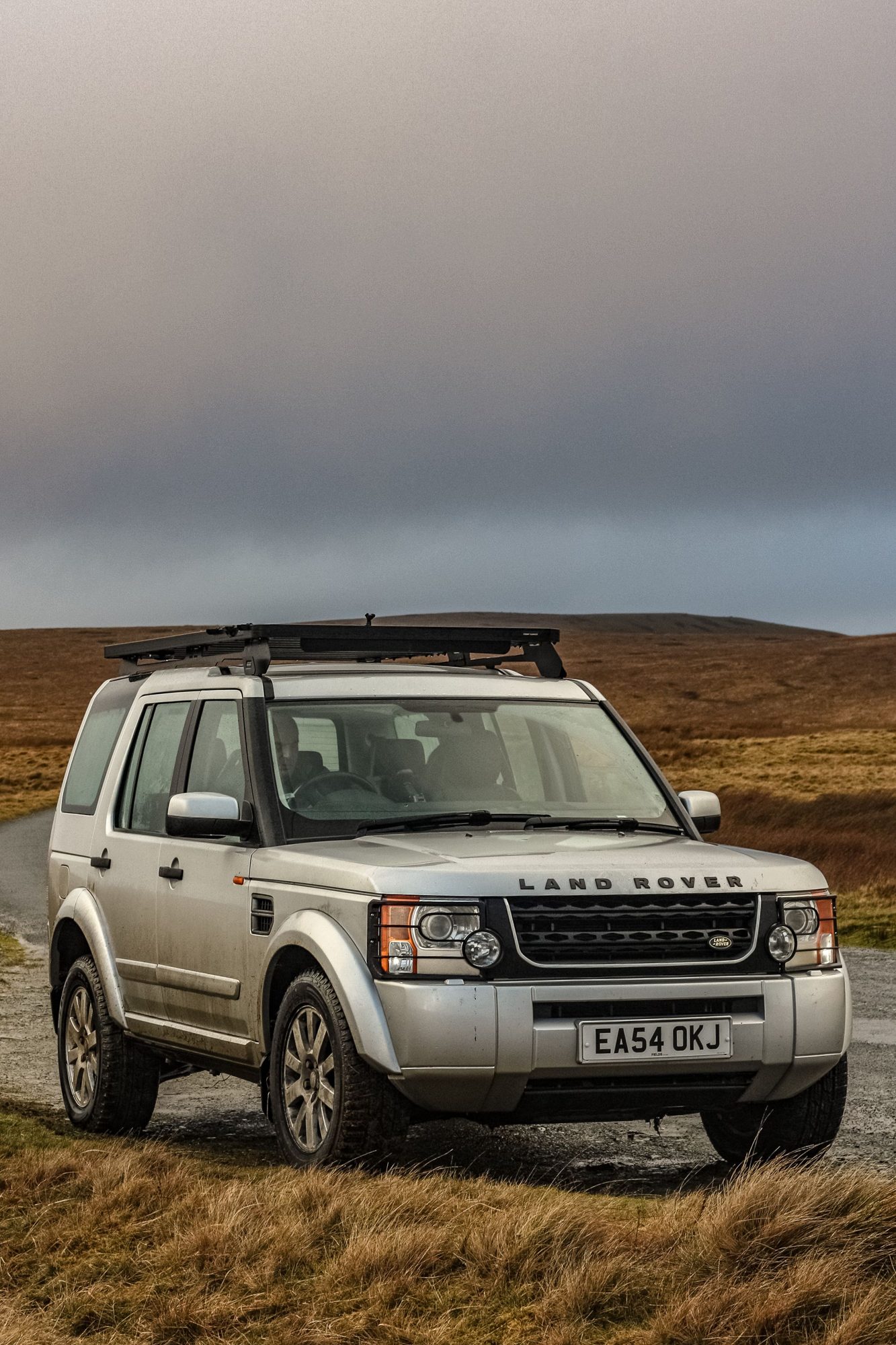
On 2 April 2004 Land Rover replaced the last Discovery that still rode on 1970 Range Rover bones with something completely new. The Discovery 3, sold in North America as the LR3, kept the family's stepped roof and upright glass but threw away the beam axles, coil springs and ladder-frame simplicity of the Discovery Series I and its successor. In their place came height-adjustable air suspension at all four corners, a body welded to its own chassis, and a rotary knob that told the truck what kind of ground it was on. Purists sneered. Then the reviews arrived.
A CLEAN SHEET FROM THE FORD YEARS
The Discovery 3 was the first Land Rover designed after the company and BMW parted ways in 2000, and it arrived almost four years after Ford bought the brand. It was revealed in April 2004 and made its international debut at the British International Motor Show that May. In North America and the Middle East it was badged LR3, partly because of negative quality associations with the Discovery name and, Land Rover said, an American preference for alphanumeric model names; the second Freelander became the LR2 there too.
Everything under the skin came from the Ford family. American trucks got a 300 hp 4.4-litre Jaguar-derived V8 or, in early years, a 216 hp 4.0-litre Ford V6. In Europe the big seller was meant to be the 2.7-litre TDV6, a Ford/PSA-developed V6 diesel with 195 hp and 440 Nm. The diesel came with a six-speed manual as standard; a ZF six-speed automatic was optional on the diesel and standard on the V8, and every version had a two-speed transfer box and permanent four-wheel drive.
INTEGRATED BODY FRAME AND CROSS-LINKED AIR
Land Rover called the new structure Integrated Body Frame. The engine bay and passenger cell are built as a monocoque, then joined to a basic ladder frame that carries the gearbox and suspension. Land Rover claimed the best of both worlds; critics pointed at a curb weight of 5,426 lb. It is heavier than a pure monocoque but adds strength and toughness, and Land Rover tucked the vital parts up into the body-frame to protect ground clearance.
The suspension is independent double wishbones on air springs, like the Range Rover L322. It can lower for loading, run low at speed and rise for clearance, from 7.3 in at standard height to 9.4 in at off-road height. Off-road, the air springs are cross-linked so that when one wheel drops the other rises, mimicking a beam axle. If the chassis touches the ground at off-road height, the system senses the lost load and lifts another inch. Britain and Europe also got a five-seat, coil-sprung base TDV6 without Terrain Response.
A KNOB THAT DOES THE THINKING
Terrain Response was the headline. Instead of asking the driver to choose gears, ride height, locking strategy and throttle response, the Discovery 3 offered a dial with settings that included Grass-Gravel-Snow, Sand, Mud and Ruts, and Rock Crawl. Land Rover said engineers studied more than 50 off-road surfaces to calibrate it. In Rock Crawl the suspension goes to full height with maximum articulation, the differentials lock and the driver is prompted to select low range; in Sand the traction control is primed for wheelspin and the throttle is sharpened.
Underneath, a computer-controlled, progressively locking centre differential kept torque flowing, and a similar locking differential was available for the rear axle. The press loved it. Richard Hammond called it the 'best 4x4 of all time', Australia's 4WD press named it 4WD of the Year, and Jeremy Clarkson drove one to the summit of Cnoc an Fhreiceadain near Tongue in northern Scotland, a 307 m hill no vehicle had reached before.
LIVING WITH ONE NOW
The bargain is obvious: Bring a Trailer LR3s have recently sold for between about $3,000 and $23,000, with a median near $9,000, for a seven-seat truck that will follow a 100 Series almost anywhere. The catch is everything that makes it clever. Air springs, compressors and height sensors age, the electronic parking brake jams, heavy weight eats front lower-arm bushes, and PistonHeads notes that in 2012 Warranty Direct logged more claims on the Discovery 3 than on any other used car from a European maker.
Diesel buyers outside the US also have to accept the TDV6's crankshaft and bearing failures, which Land Rover's own bulletin blames mainly on bearing shells located incorrectly at assembly. American trucks dodge that bullet with the V8, which drinks fuel at an EPA-rated 12–13 mpg in town but is the engine the US aftermarket knows best. Either way, an IIDTool or similar Land Rover diagnostic tool turns most of the scary warnings into Saturday jobs.
LEGACY
The Discovery 3 platform underpinned the Range Rover Sport, and in 2009 it became the Discovery 4 (LR4 in North America), which kept the Integrated Body Frame and added restyled lights, a new grille and smoother bumpers. Late Discovery 3s from 2008–09 had already gained body-colour bumpers, clear side indicators and a Harman/Kardon stereo upgrade. Today the LR3 is the cheapest way into air-sprung, Terrain Response Land Rover off-roading, with a busy aftermarket of lift rods, sliders and coil conversions behind it.
SIDEBAR · G4, TOP GEAR AND A ROBOT
The family seven-seater that drove itself to fourth place
Land Rover ran the Discovery 3 in its 2006 G4 Challenge alongside the Range Rover Sport, in standard mechanical form apart from added Land Rover off-road equipment. On television, Top Gear sent Jeremy Clarkson up Cnoc an Fhreiceadain in one, and Richard Hammond declared it the best 4x4 of all time.
The oddest entry on its CV is the DARPA Urban Challenge, where a driverless LR3 finished fourth. A plan to assemble Discovery 3s from knock-down kits at Ford's Vsevolozhsk plant in Russia never happened; it was cancelled in 2007.