The story
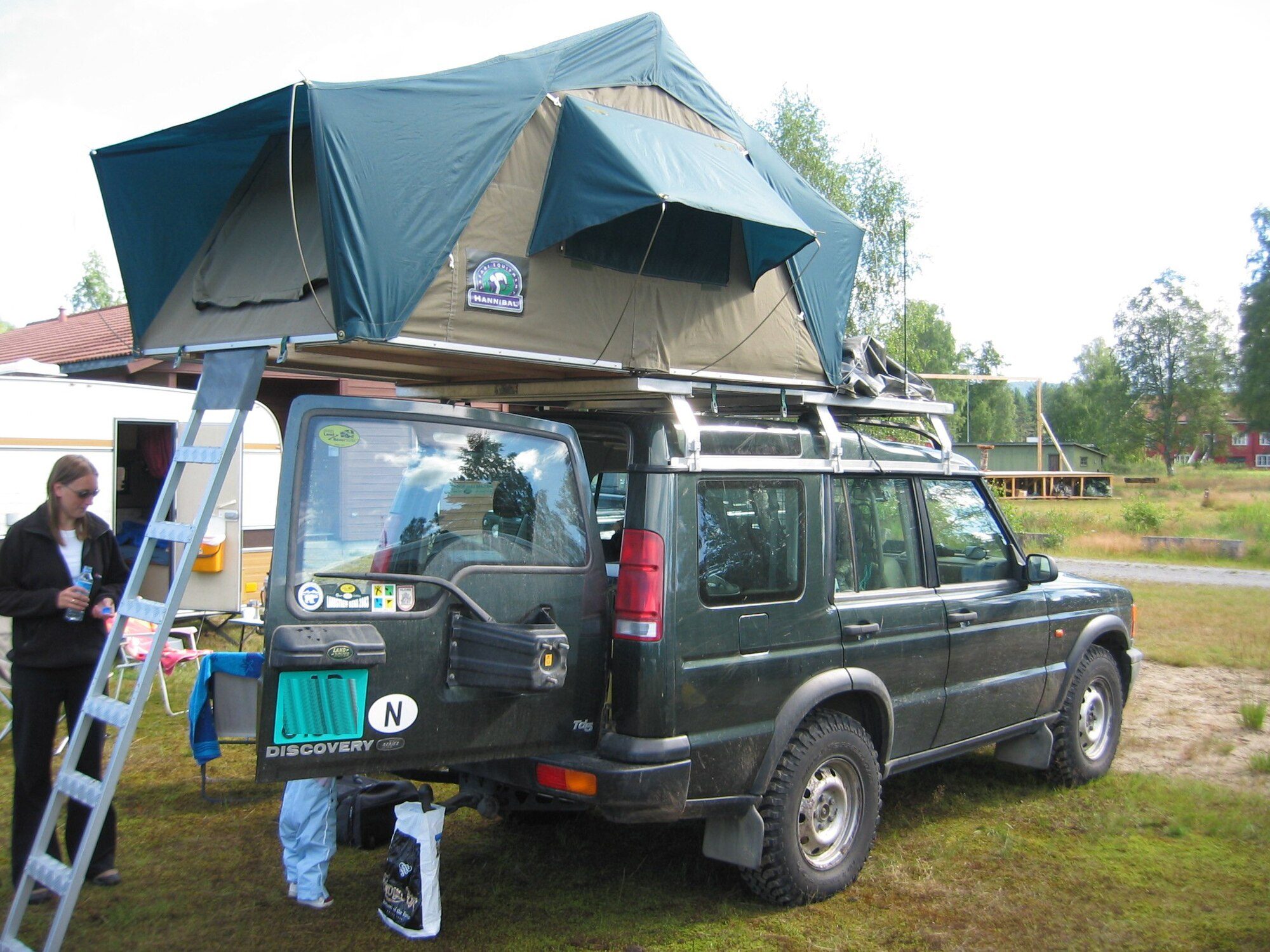
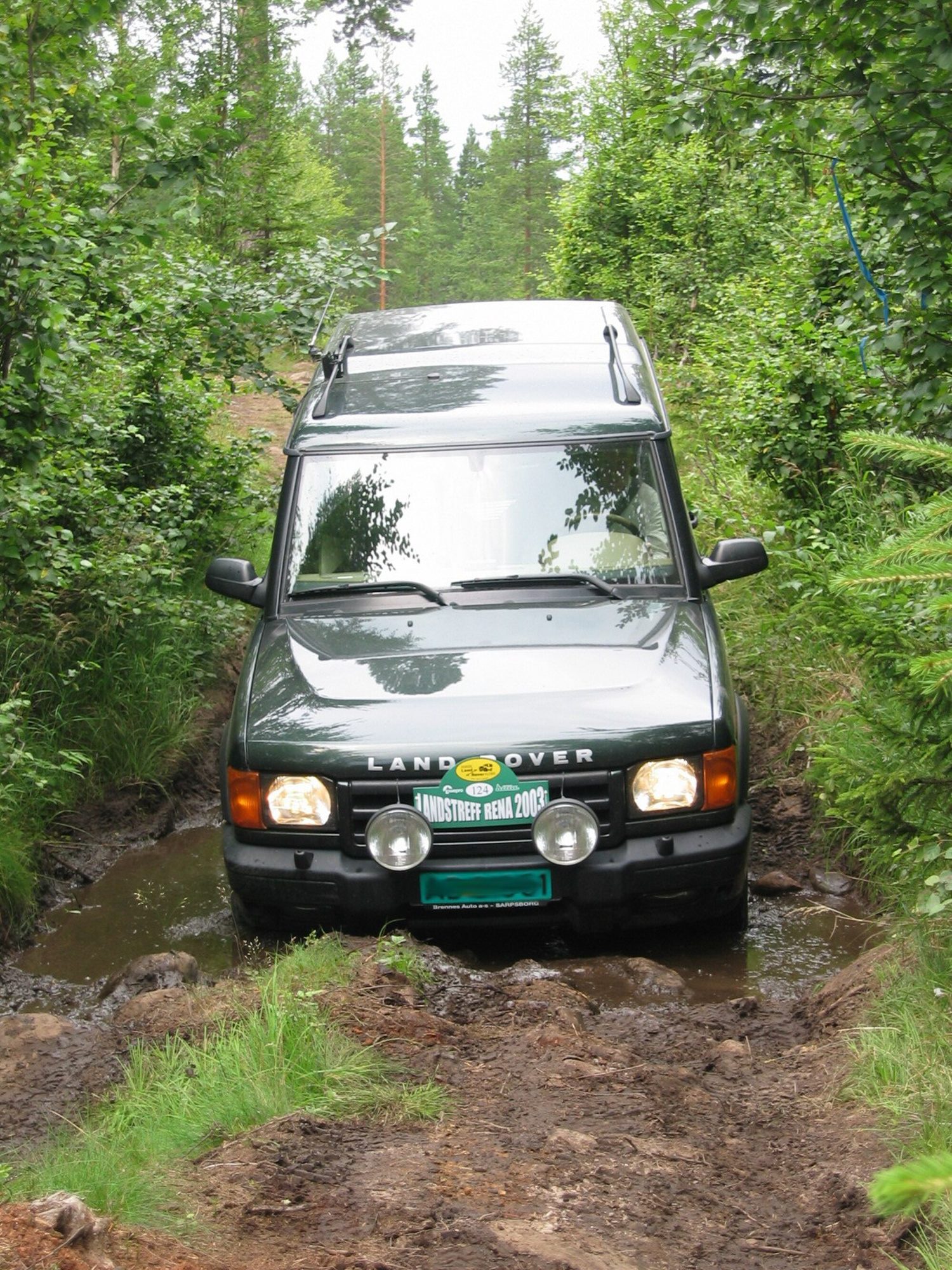
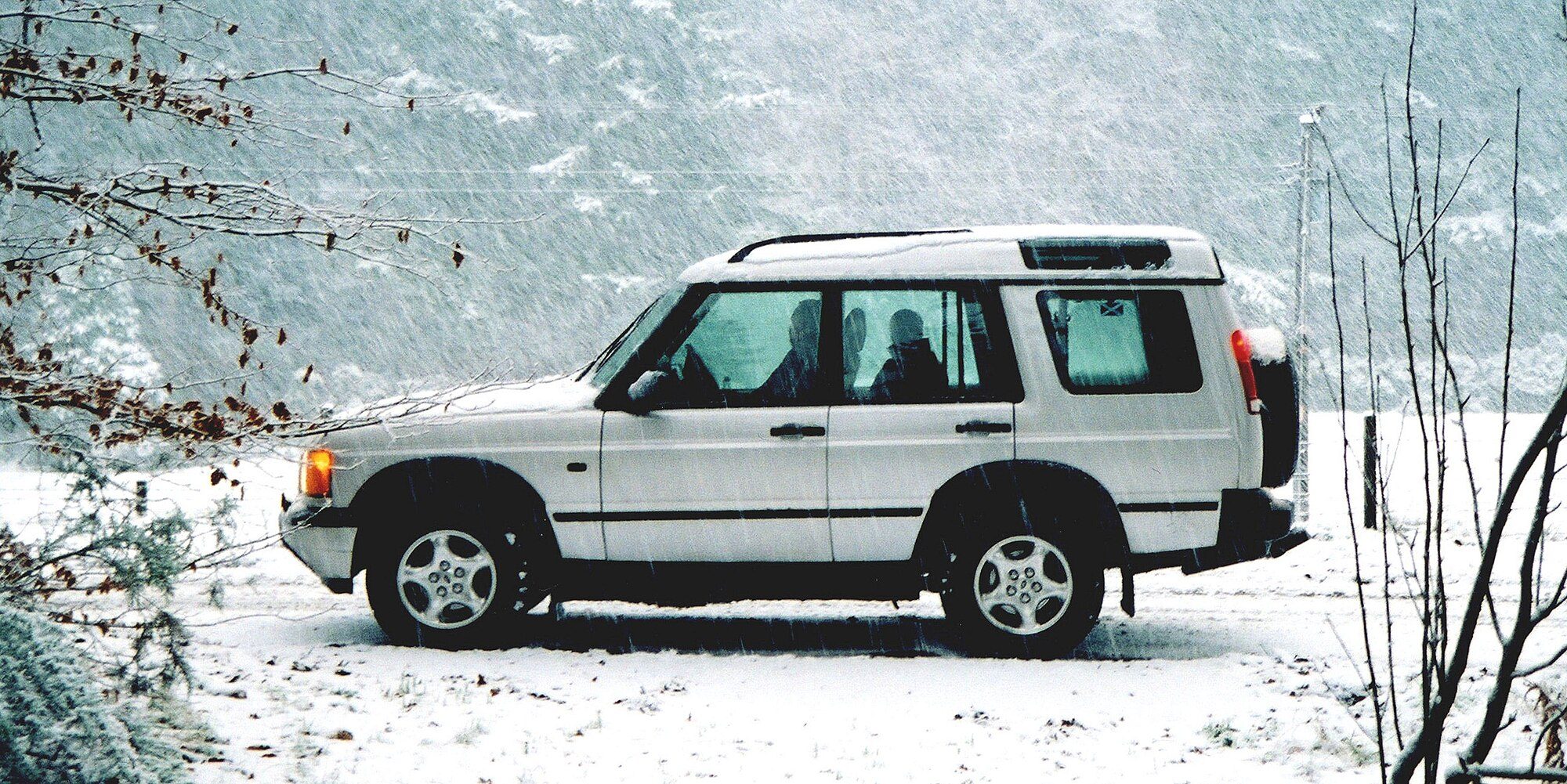
Land Rover said the Series II had 720 differences from the Discovery 1, and every one of them seems to have a wire attached. Underneath it is still the old recipe: a steel ladder frame on a 100-inch wheelbase, a beam axle at each end, permanent four-wheel drive and a two-speed LT230 transfer box. On top sits a longer body, seven forward-facing seats, a new five-cylinder diesel and a stack of systems with acronyms. It was the last Land Rover SUV built on the bones of the 1970 Range Rover, and it is now one of the cheapest ways into a properly capable coil-and-axle Land Rover.
720 DIFFERENCES
The Series II arrived in autumn 1998, four years after BMW bought Rover Group. Every body panel changed except the outer skin of the rear door. The tail grew to make room for adults in all seven seats on the SE7, at the cost of a longer rear overhang and a slightly worse departure angle. The rear lights moved up above the window line, the paddle door handles went, and the wheel pattern changed from the Discovery 1's 5x6.5 in to 5x120 mm, the same as the Range Rover P38.
Under the skin the front axle swapped the old chrome swivel balls for upper and lower ball joints, again shared with the P38, and the rear axle was located by a Watts linkage. Some trucks got self-levelling rear air springs (SLS), and European type approval for the seven-seat version was only granted to air-sprung examples. Production ran at Solihull, with assembly also in Jordan and Malaysia.
TD5, THOR AND A LOT OF SENSORS
Diesel buyers got the Td5, a 2.5-litre five-cylinder with electronic unit injectors, a chain-driven camshaft and two oil filters, one of them centrifugal. It came from the Rover 'Storm' project, not from BMW, and made 136 hp in Discovery tune. Wikipedia records two early mechanical faults, a failing oil-pump drive and 'head shuffle' from weak studs, both fixed within two years. Owners will tell you about the third: oil wicking down the injector harness and into the ECU.
Petrol trucks got the 4.0-litre 'Thor' V8 from the P38, the same 3,946 cc as before but with a different crank, cross-bolted mains, new rods and pistons and Bosch management. American buyers only ever got V8 automatics, and from the 2003 model year the US truck switched to the 4.6. Then there was ACE, Active Cornering Enhancement: hydraulic rams on the anti-roll bars that can counter up to 1 g of lateral force. It made a tall truck corner flat, and it gave owners a whole new set of pipes to corrode.
THE MISSING LEVER AND THE 2003 FACELIFT
Early Series IIs still had a lockable centre differential in the transfer box, but Land Rover left out the linkage to work it, believing traction control and the new Hill Descent Control made it redundant. Owners disagreed. Fitting a Discovery 1 lever, or a kit such as Ashcroft's, became one of the classic Disco 2 upgrades, and the facelift brought the lever back as an option, standard on high-spec trucks.
The facelift (owners call it the D2a) arrived for 2003 with pocketed headlamps like the new Range Rover's, revised rear lamps with the indicators moved up out of the bumper, and the 4.6 V8 for North America. The Td5 had gone to Euro 3 spec in 2002, with an EGR system and smoother low-speed throttle. In 2003, Land Rover prepared 62 Discovery 2s for the first G4 Challenge, where competitors drove them through Las Vegas and Moab. The final trucks left Solihull in late May 2004 to make way for the Discovery 3.
WHY BUY ONE NOW
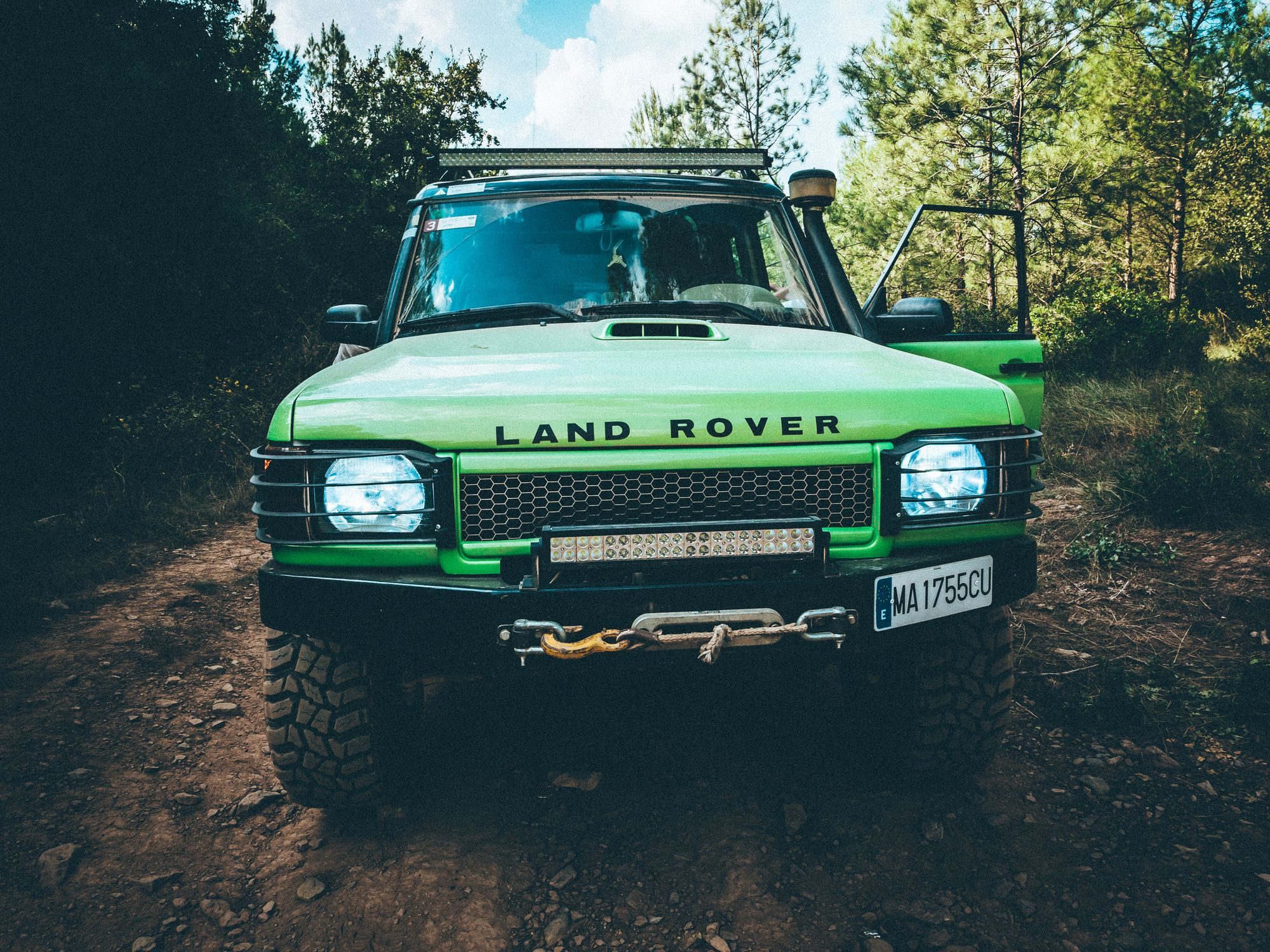
Because the hard parts are simple. Live axles, coil springs (or air springs that convert to coils in an afternoon), an LT230 that is shared with the Defender, and a chassis that takes 285/75R16s with about three inches of lift. The Td5 is slow in stock form but responds well to tuning, though Famous Four warns it is 'not quite a DIY Land Rover'; you need a diagnostic tool for some jobs. The V8 sounds lovely and drinks accordingly.
The catch is rust. The rear of the frame, around the fuel tank and the rear crossmember, rots from the inside out, and LandyZone members price a replacement chassis and the work at close to £10,000. Fresh under-seal can hide it, so get underneath with a hammer. A rust-free Disco 2 with documented head gaskets or injector loom work is a better buy than a shiny one with every option still fitted.
SIDEBAR · G4 CHALLENGE
Sixty-two Discoverys and a trip to Moab
When Camel Trophy ended, Land Rover launched its own adventure contest. The first G4 Challenge, in 2003, sent competitors from 16 nations across the US, South Africa and Australia over 28 days. Land Rover prepared 62 Discovery 2s for the event, 60 of them used on the main challenge, for the final stage through Las Vegas and the Moab desert.
Belgian fighter pilot Rudi Thoelen won. Offered a new Range Rover as the prize, he asked for two Defenders instead. It was a fitting send-off: the Discovery 2 was the last Discovery built on a separate ladder frame with a live axle at each end.