The story
The U1300L is what you get when Mercedes asks its farm-machinery department for an army truck. Under the square cab are coil-sprung portal axles, locking differentials, a cranked frame that twists over ruts, and an eight-speed gearbox that runs from 0.15 to 80 km/h. Gaggenau built 30,726 trucks in the 435 series from 1975 to 1993. More than 21,000 were U 1300 Ls, many of them for the Bundeswehr and German fire brigades. Today they come out of military surplus and into the hands of people building campers that can cross the Sahara. You won't do 70 mph, but you can drive almost anywhere.
THE HEAVY SERIES
Daimler-Benz showed its new heavy series, the SBU, at the 1974 DLG exhibition. Its angular cab won the Federal Design Award, and Mercedes says the look still defines the Unimog today. The bigger change was underneath. More powerful engines needed a new drivetrain, and new noise rules meant the engine and gearbox were no longer bolted together. Gaggenau developed an eight-speed gearbox with double reduction, plus a crawler gear and power take-offs. The cranked U-section frame came from the Unimog S, the 404. Mercedes says it gave excellent torsional flexibility off-road.
Production started in 1975 with the U 1300 and the long-wheelbase U 1300 L. The 435 used the 425's cab but had a longer 3,250 mm wheelbase and bigger engines. The U 1300 L got a 5.7-litre direct-injection six making 96 kW (130 PS) and 363 N·m; Mercedes' operator's manual calls it the OM 352. The turbocharged U 1700 L made 124 kW and 520 N·m and could carry up to 5 tonnes. From 1987 the 6.0-litre OM 366 replaced the older engine. Brakes are air-over-hydraulic discs, and the front axle, transfer case and lockers are all engaged with air.
LKW 2 T TMIL GL
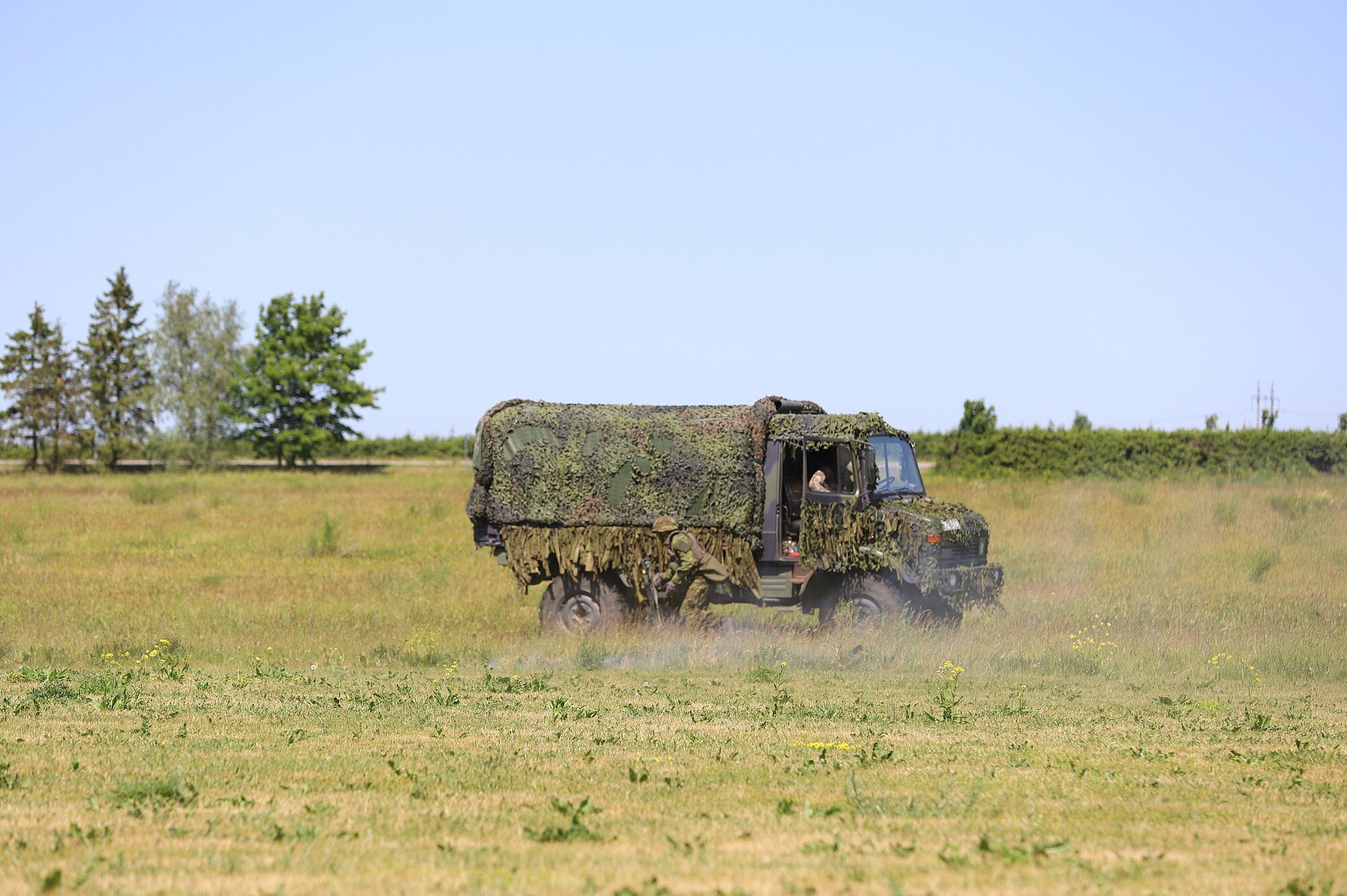
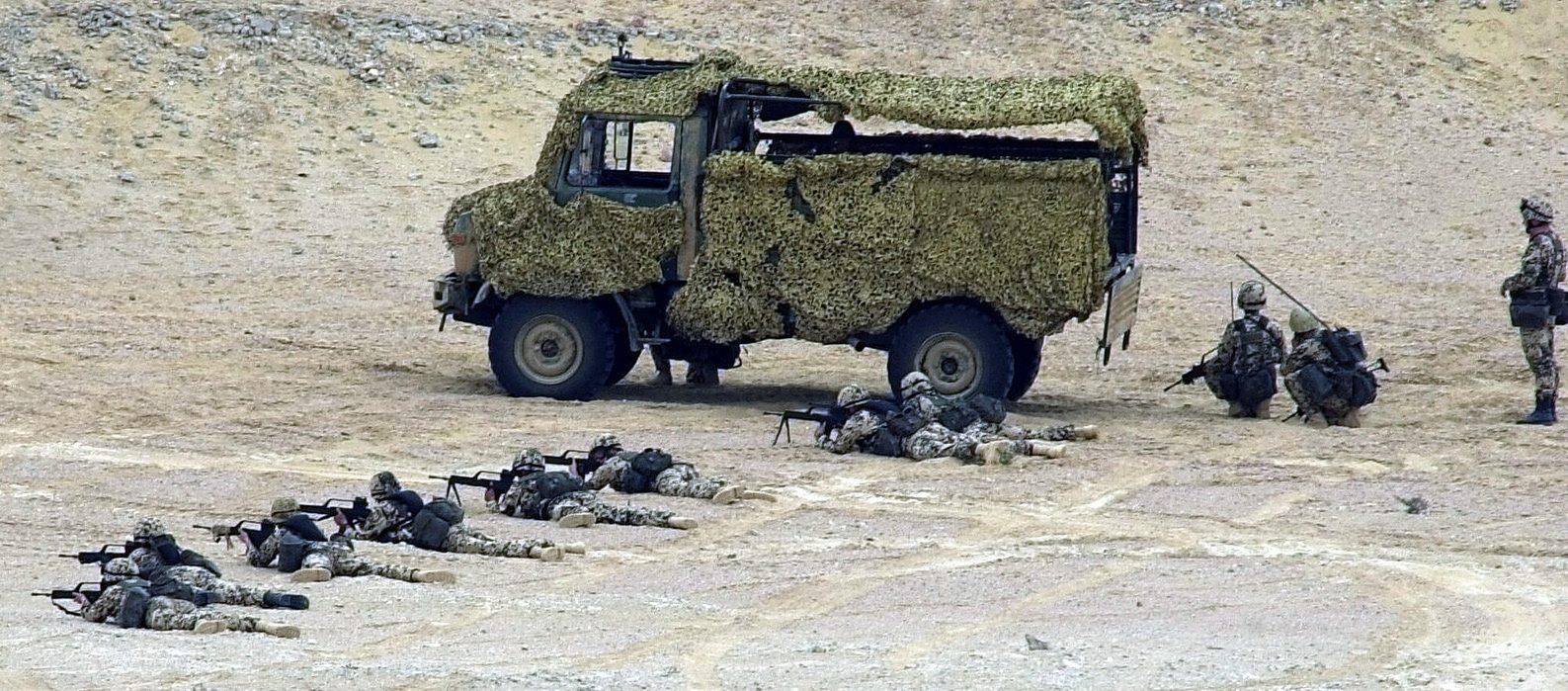
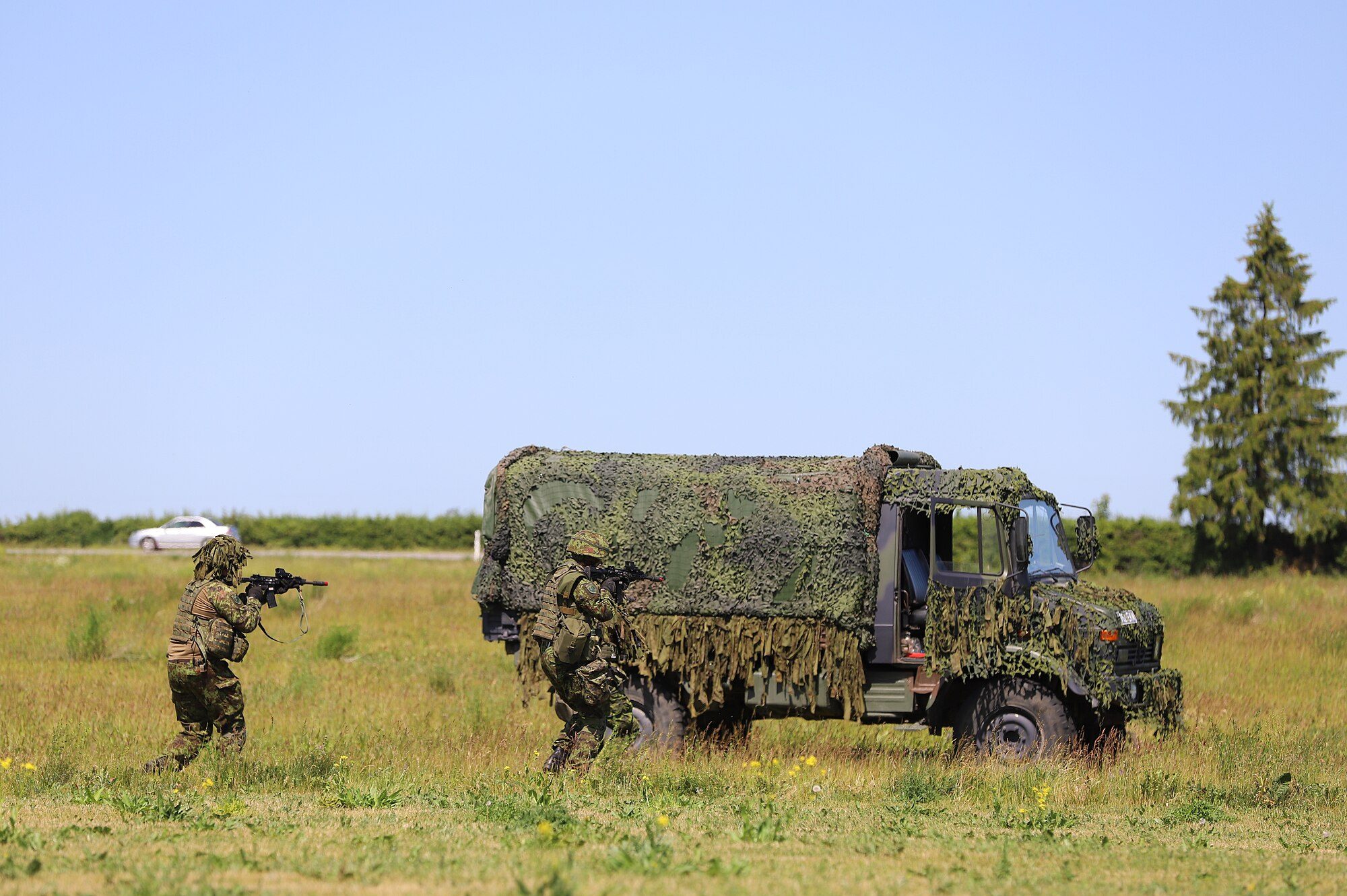
The Bundeswehr adopted the 435 in 1978 as the 'Lkw 2 t tmil gl', its second-generation standard utility truck, replacing the 1.5-tonne Unimog. About 18,000 were delivered. They served as troop and cargo carriers, engineer flatbeds, radio and field-office trucks, repair-crew vehicles and ambulances, and as tractors for 1.5-tonne trailers and towed weapons of up to 2.25 tonnes. Other NATO forces used them too, including US forces stationed in Germany.
Army spec explains a lot of what you'll find today. One Steel Soldiers member selling ex-US Army Europe trucks described them as 24-volt, with no hydraulic system and basic trim. Their contract plates let you trace a truck's service history. Military trucks were rated at 1,500 kg of payload on a 5,760 kg truck, with an 800 km range and a top speed of 80 km/h. Ex-Bundeswehr ambulances and cargo trucks, plus the odd ex-fire-brigade truck, turn up regularly at US auctions.
SAND, CREW CABS AND CAMPERS
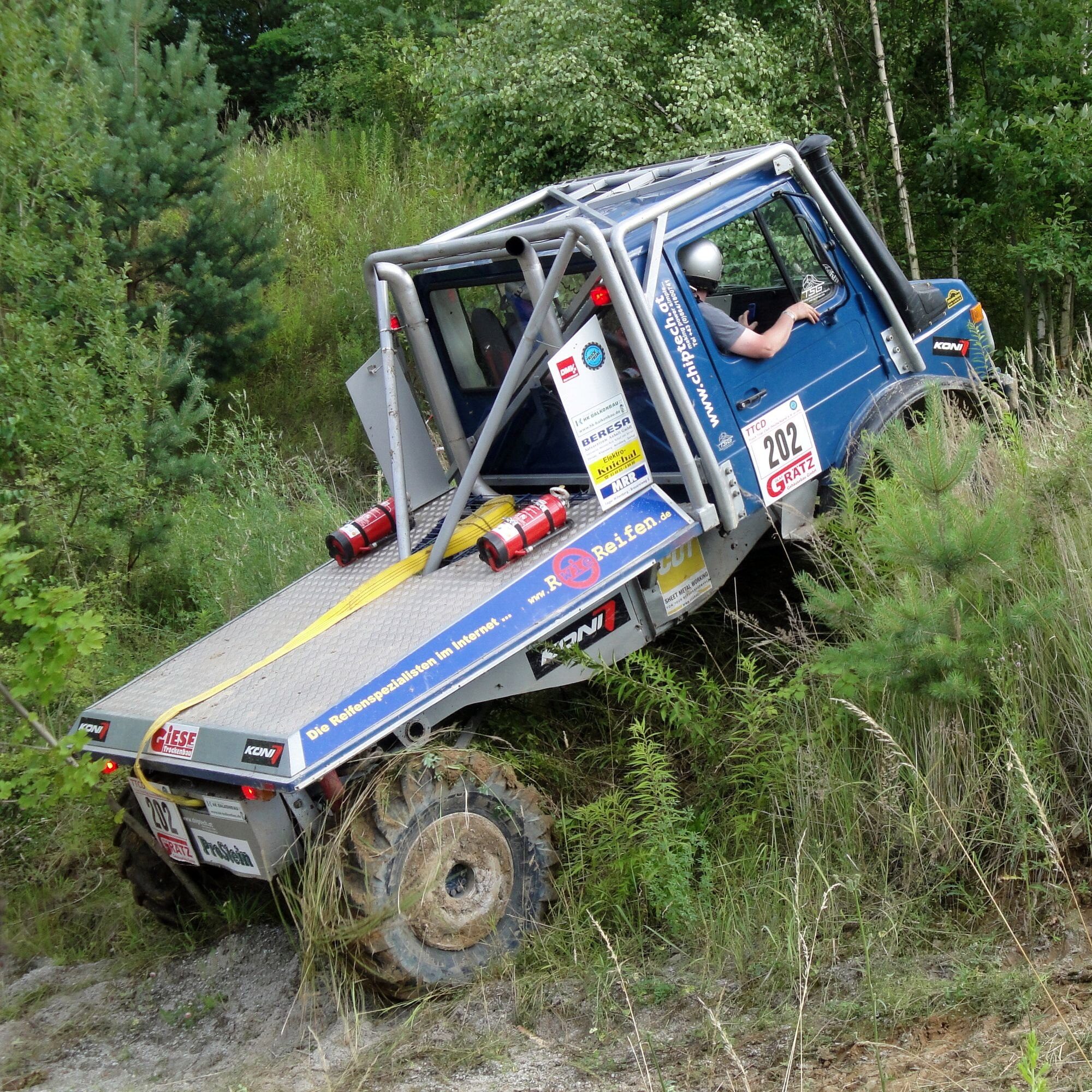
Civilian buyers found other uses. From 1983 Wackenhut of Nagold built crew cabs for the U 1300 L that seated up to seven, and Mercedes says they were popular for expeditions and research trips. In 1985 Karl-Friedrich Capito and his sons Jost and Volker won the truck class of the 14,000 km Paris–Dakar with converted U 1300 Ls. The rally trucks made 180 hp and had roll bars and six extra Hella lamps.
The camper scene picked it up from there. The 3,250 mm wheelbase takes a decent box, the portal axles give 440 mm of ground clearance, and the angles are 46 degrees in front and 51 at the rear. Plenty of builds end up too heavy, though. One HUBB contributor warns that many U1300L campers exceed the 7,500 kg gross weight once loaded for travel. Weigh the truck as you'll drive it, not as it's listed.
SUCCESSION AND THE SURPLUS ERA
Mercedes rebuilt the Unimog range in 1988. The new heavy 437 series had the UG 3/65 gearbox and charge-air-cooled OM 366 A and LA engines, and stayed on sale until 2002. The 435 continued alongside it until 1993. Its successors are faster, quieter and more comfortable, and they cost more. They're also further from the simple, mechanical truck that owners like about the 435.
In the US the U1300L now sits between military surplus and a collector truck. Bring a Trailer has sold plain ex-army trucks for around $30,000 in 2026 and finished expedition campers for more than $170,000. It shares its portal-axle thinking with the Hummer H1 and the G 500 4×4², and it was a Cold War contemporary of the Pinzgauer. It's slower than all three.
SIDEBAR · PARIS–DAKAR 1985
The Capito family's desert win
Karl-Friedrich Capito's team just missed the 1984 finish because of a minor defect. For 1985 their U 1300 L was fully overhauled at the Gaggenau factory. The rally truck made 180 hp and had a reinforced cab with roll bars and six extra 750-watt Hella headlamps.
Mercedes credits the coil-sprung axles and low weight for its speed across the scree desert. Its low height also got it through a jungle section faster than some rivals. Capito and his sons Jost and Volker won the truck competition over 14,000 km from Versailles to Dakar.
 YT