The story
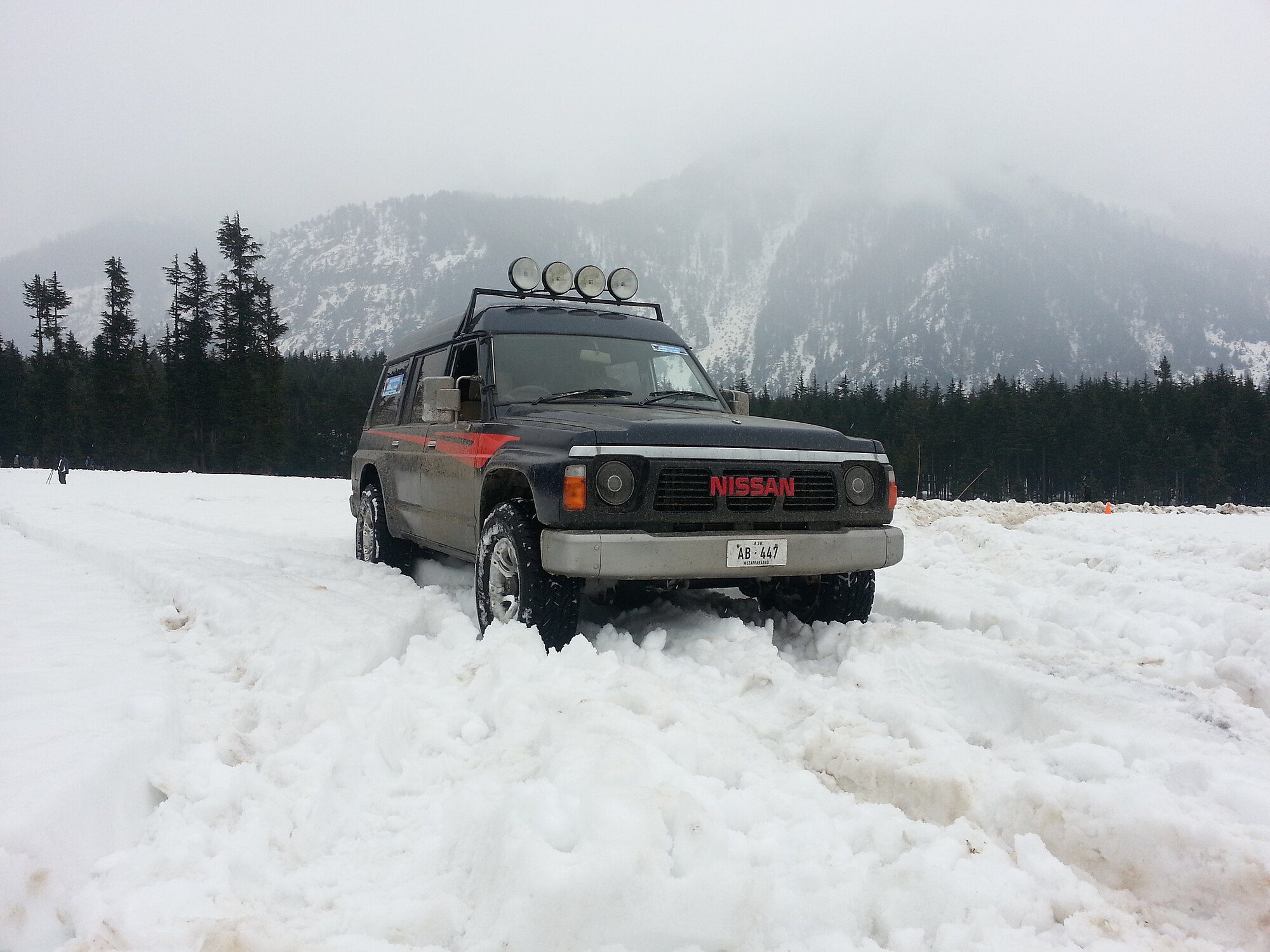
The Y60 Patrol, sold in Australia as the GQ, is the truck that made Toyota nervous. When it arrived in the late 1980s it was the first Patrol with coil springs at both ends: a three-link live axle up front, a five-link live axle out back, power steering as standard, and a separate ladder frame underneath. The 60 Series Land Cruiser it fought in showrooms was still on leaf springs. Nissan kept that advantage until Toyota launched the 80 Series in 1990, and Australians have been arguing about which one is tougher ever since.
COILS, SIXES AND A TWO-SPEED BOX
Production started in Japan in 1987, where the truck was also sold as the Nissan Safari, and Nissan's Barcelona plant in Spain built it from 1988. Underneath, it was refreshingly old-school. Every engine was a straight six: the 4.2-litre TB42 petrol (125 kW and 325 Nm on a carburettor), the 4.2-litre TD42 diesel (85 kW, 264 Nm), and the 3.0-litre RB30 petrol borrowed from Nissan's passenger cars. A 2.8-litre RD28T turbo-diesel joined later. Drive went through a five-speed manual or four-speed automatic to a two-speed transfer case with part-time 4WD.
The wagons came in short- and long-wheelbase form (2,400 and 2,970 mm), plus a high-roof version, and there were utes and cab-chassis models too. Those workhorses kept a leaf-spring rear axle until 1994, when Nissan offered the wagons' coil rear as an option. Most Y60s left the factory with a rear limited-slip differential. Some got a vacuum or electric rear diff lock, a rear sway-bar disconnect, or even a front winch driven from a power take-off, with its lever beside the gearstick.
THE TD42, AND EVERYTHING ELSE
The engine that built the legend is the TD42. It's a cast-iron, overhead-valve, indirect-injection diesel whose camshaft is driven by gears rather than a belt or chain, which CarsGuide calls a 'set-and-forget system'. It's slow and thirsty, at roughly 12 to 14 L/100 km on the highway, but it is reputed to reach half a million kilometres if serviced. Early engines wear a silver rocker cover. From August 1993 Nissan lightened the TD42 to save fuel and let it rev harder, and Wikipedia notes this weakened it. Those engines, and later ones, wear black covers.
The petrol engines are the other side of the coin. 4X4 Australia's own 1988 TB42 project car, an automatic, hit boiling point on its first High Country climb and boiled over three more times before the top, and its writer admits 'the TB42 loves a drink'. CarsGuide warns that petrol heads can crack, especially on LPG after the coolant has run low, and Wikipedia lists head-gasket trouble on hard-driven TB42s and RD28Ts. The 1992 Series 2 update brought fuel injection for the TB42, bigger brakes and wheels, and standard limited-slip diffs and automatic free-wheeling hubs. A 1994 facelift added a new grille.
WHAT MADE IT SPECIAL
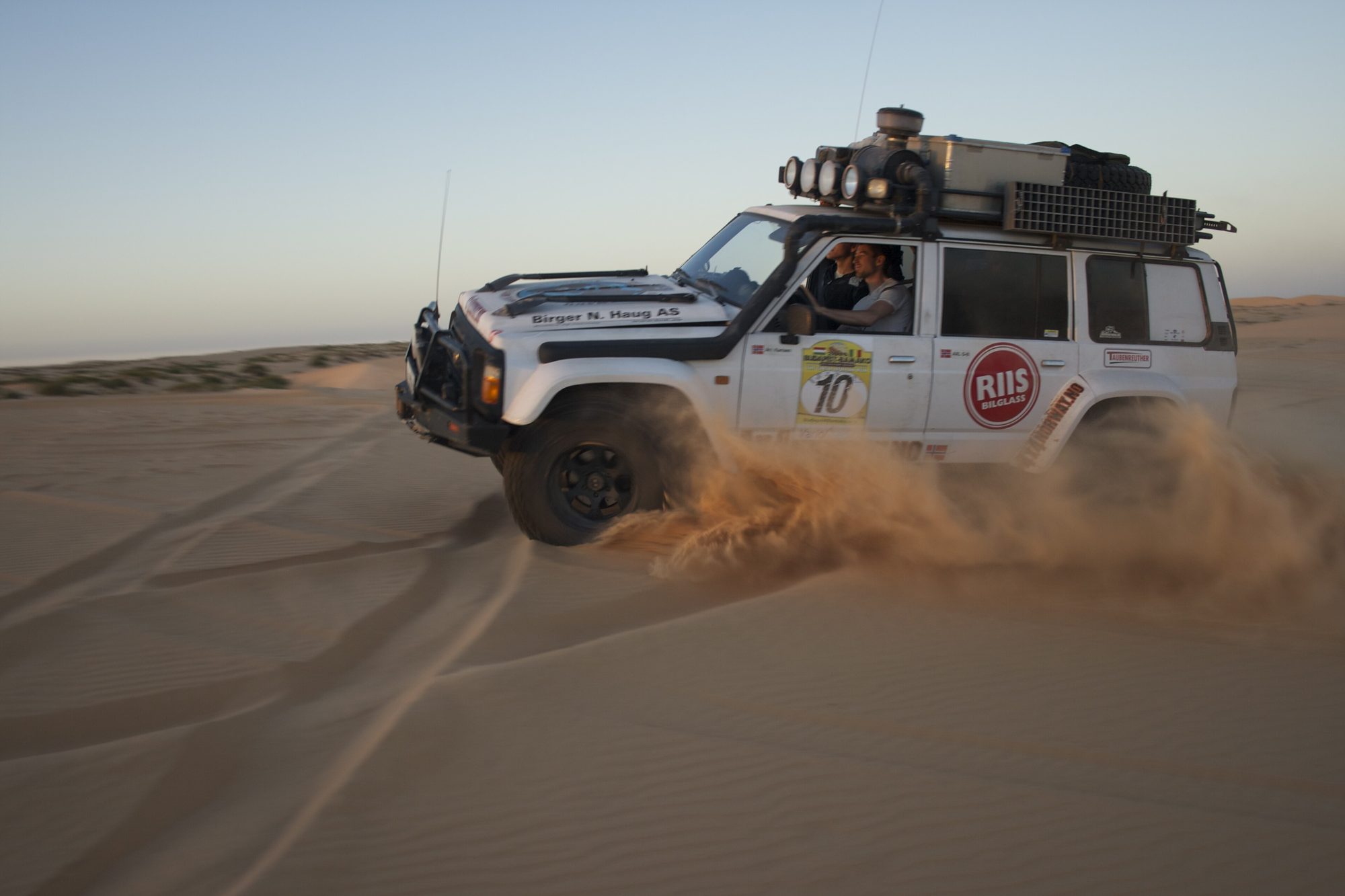
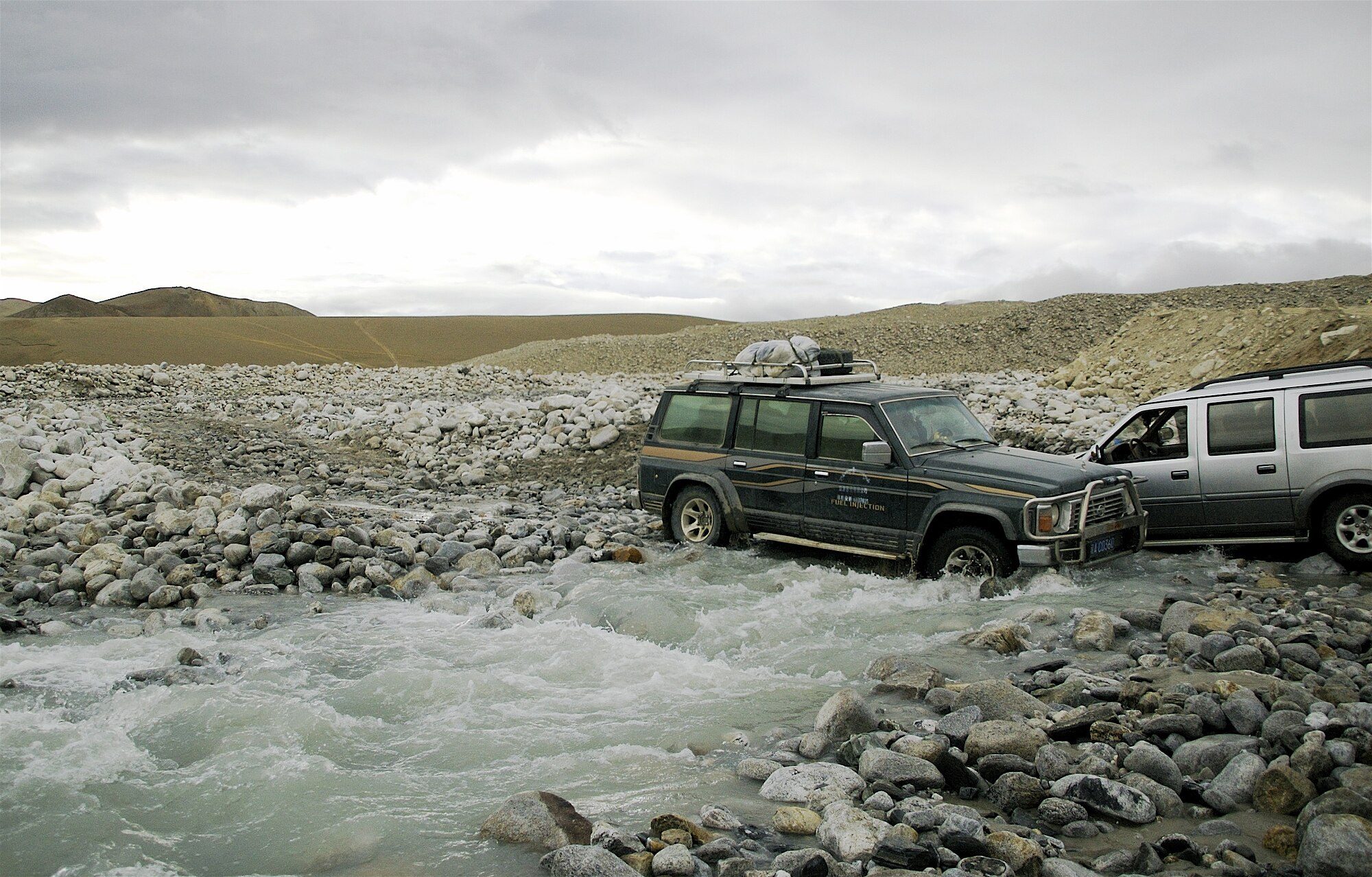
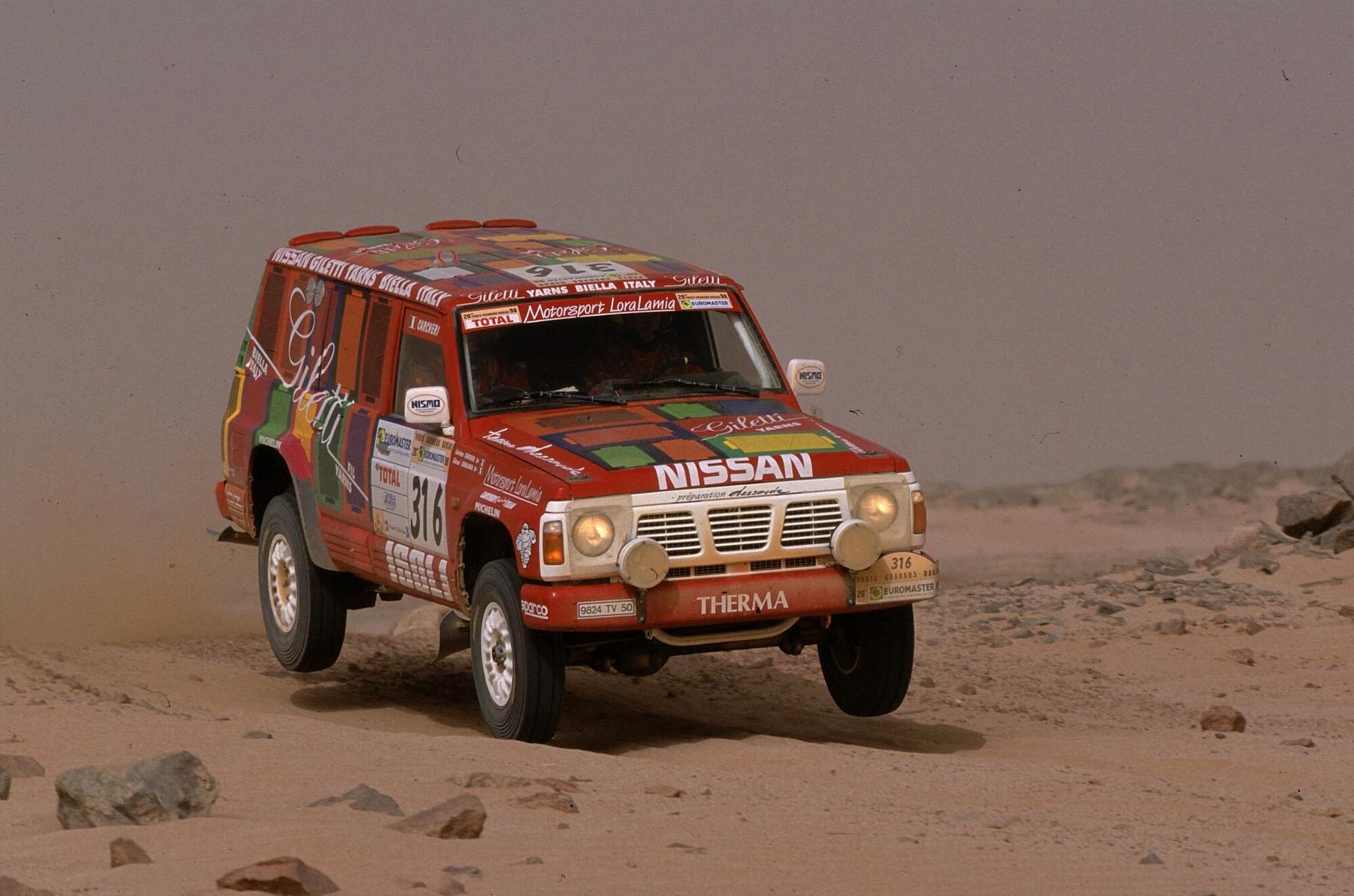
In the bush, the GQ simply worked. Coil springs gave it axle articulation and a ride the leaf-sprung competition couldn't match, and its axles earned a reputation for strength. That made the GQ the default heavy tourer and club truck across Australia, Africa and the Middle East. Even Ford wanted one. Under Australia's Button car plan Ford sold the Y60 as the Ford Maverick from the late 1980s to 1994, changing little but the badges. And Team Nissan France Dessoude was still racing Y60-based Patrol GRs in the Dakar Rally's T1 class in 1998.
The Patrol also has a tighter connection to America than its absence suggests. Datsun dealers sold the 60 Series here from 1962 to 1969, but the Y60 was never offered in the US. Every Y60 is now more than 25 years old, which puts it inside the federal 25-year exemption from US safety-standard compliance. Bring a Trailer lists a steady flow of imported right-hand-drive Safaris and Patrols, many of them TD42 or RD28T manuals from Japan and Europe.
HOW IT ENDED, AND WHY IT STILL MATTERS
The Y61, or GU, took over in late 1997. 4X4 Australia describes it as essentially a GQ platform underneath, with a wider body, a better interior and about 230 kg more weight. That continuity is why GQ owners still share parts, forums and bolt-on hardware with GU owners. Much of the GU's running gear, from the swivel hubs and radius-arm bushes to ARB Air Lockers and steering dampers, is sold as fitting both trucks.
Today the GQ occupies the same place in Australian off-roading that the 60 and 80 Series do in American trail culture. It's cheap enough to modify without guilt, simple enough to fix with hand tools, and big enough to carry a family and a fridge to the end of the track. It isn't fast, the petrol engines drink like it's still 1988, and rust is never far away. But with a TD42 and a set of 33s, few trucks this old are still this capable.
SIDEBAR · THE BADGE SWAP
The Ford Maverick: a Patrol in a blue oval
In the late 1980s Australia's Button car plan pushed local makers to share models so the industry could consolidate. One result was the Ford Maverick, a Y60 Patrol sold through Ford dealers from 1988 (some sources say 1989) to 1994. Curbside Classic notes the visual changes were limited to badging. Unlike many Button-plan twins, neither truck was built in Australia.
The Maverick came as two- and four-door wagons, a ute and a cab-chassis, in base, XL and XLT trims, with the 4.2-litre petrol and diesel sixes. There was no luxury model to rival the Patrol Ti. Rural Ford dealers and their fleet deals helped it sell. For buyers today, a Maverick is simply a GQ: parts suppliers such as Patrolapart and HD Automotive list the Ford alongside the Nissan.