The story
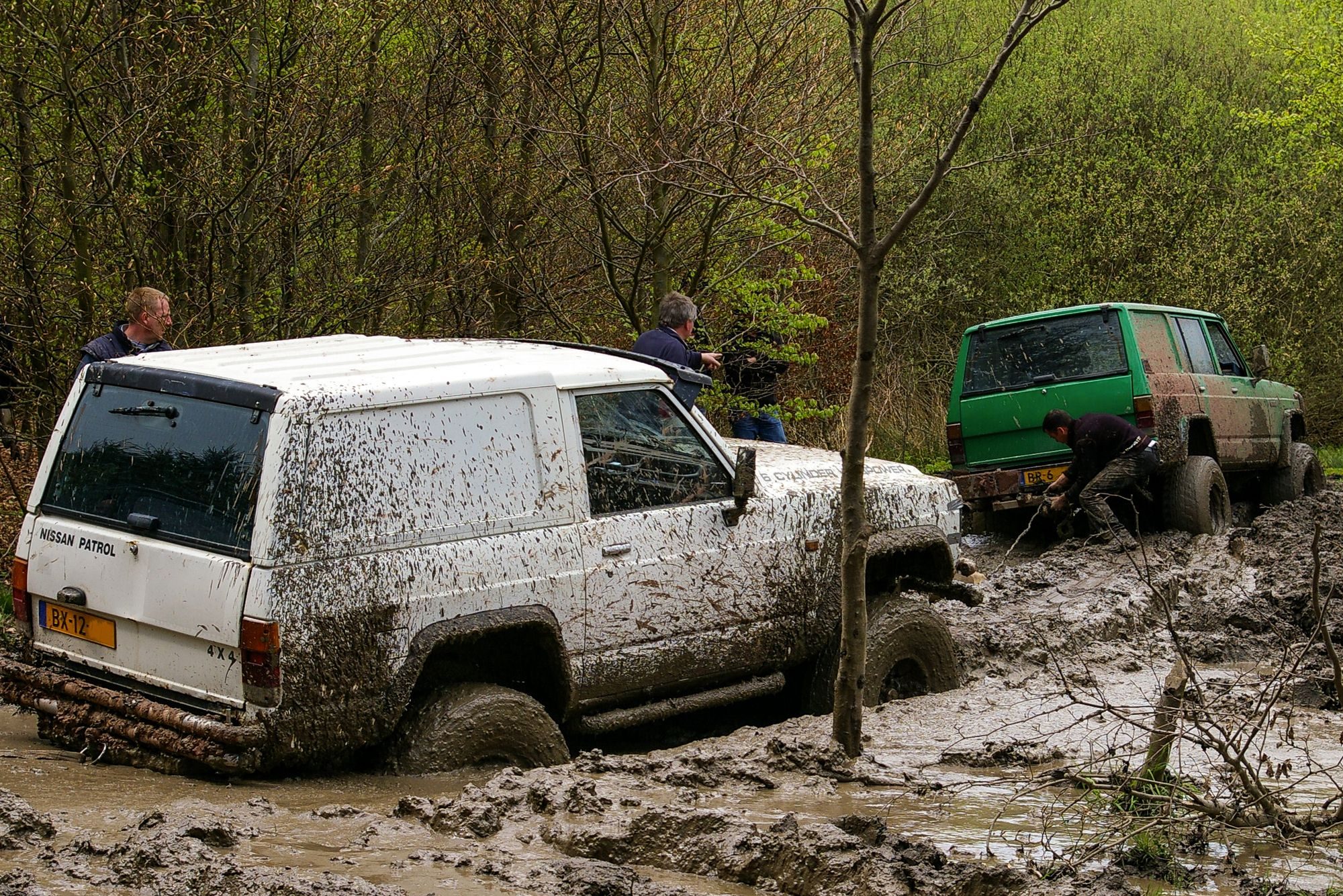
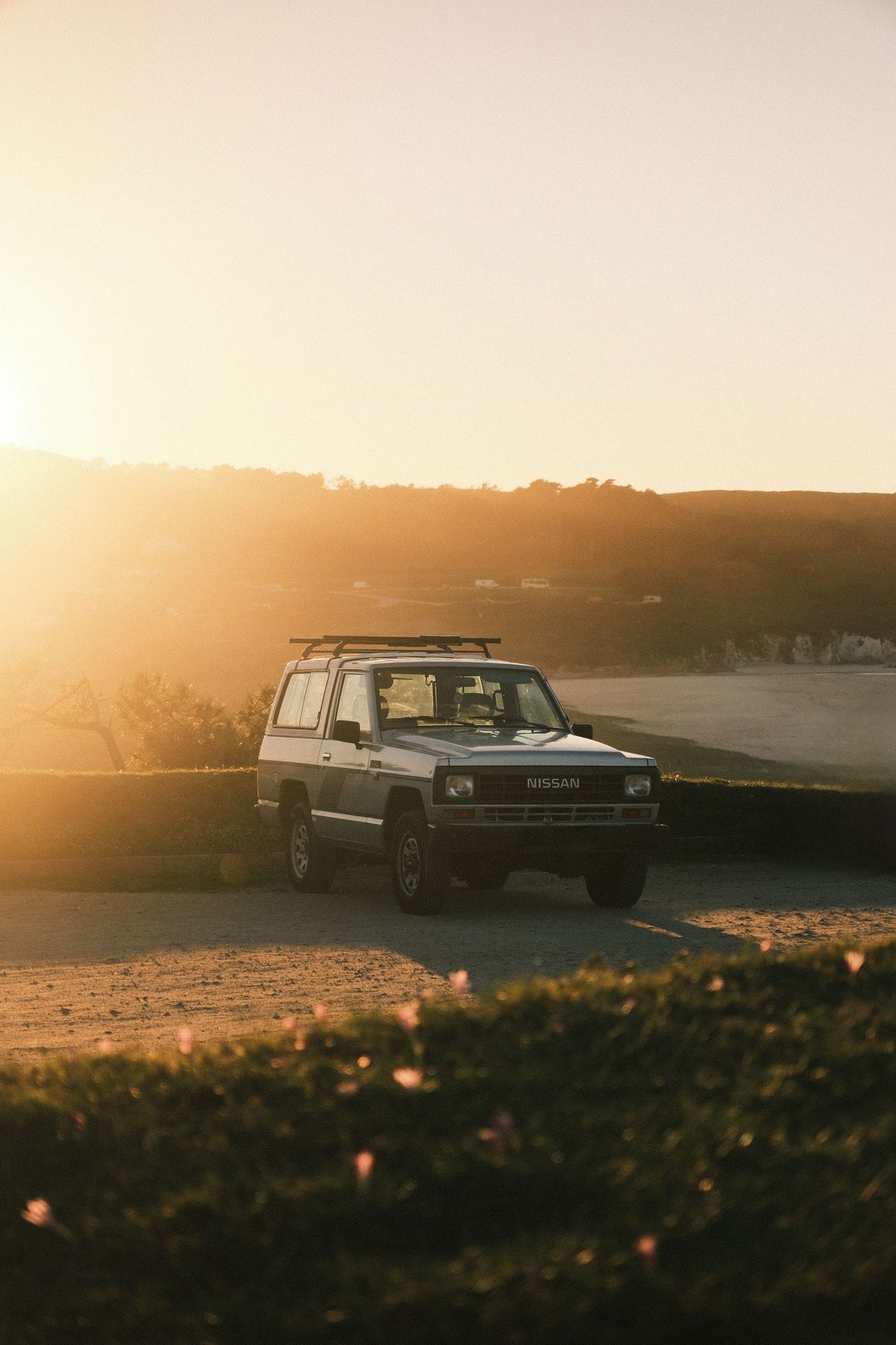
In 1980 Nissan replaced the long-running 60 Series Patrol with the 160, sold in Australia and New Zealand as the MQ and, after a 1983 update, unofficially called the MK. In Japan it became the Safari. Underneath it was still a 1960s recipe: a separate chassis, live axles and leaf springs at both ends, and a two-speed offset transfer case. GoAuto called it 'a decisive step towards civility': more space, a less truck-like cabin, better ride and braking, and a long list of variants aimed at Toyota's 40 Series and 60 Series Land Cruisers.
FOUR ENGINES AND A 24-VOLT DIESEL
GoAuto says Australia's MQ launched with the 3.2-litre (3,246 cc) SD33 diesel six, rated at 70 kW and 215 Nm, with the 2.8-litre L28 petrol six (88 kW, 201 Nm) arriving in April 1981 and a short-lived 4.0-litre P40 petrol rated at 90 kW and 280 Nm. Owners describe the P40 as rare and very torquey, and the L28 as the one that will rev all day. A four-speed manual was standard. From late 1981 the seven-seat Deluxe wagon could have a three-speed automatic, which Wikipedia says was limited to long-wheelbase L28 trucks.
The SD33 is the engine with a story. It's a slow overhead-valve diesel six built for trucks and forklifts. Wikipedia notes the same engine powered International Scout II diesels in the late 1970s, and a turbo version went into 6,400 Scouts in 1980. In the MQ it ran 24-volt electrics with twin batteries, one on each side of the engine bay. 4X4 Australia notes the later switch to 12 volts made the truck much easier to fit with accessories.
THE MK UPDATE
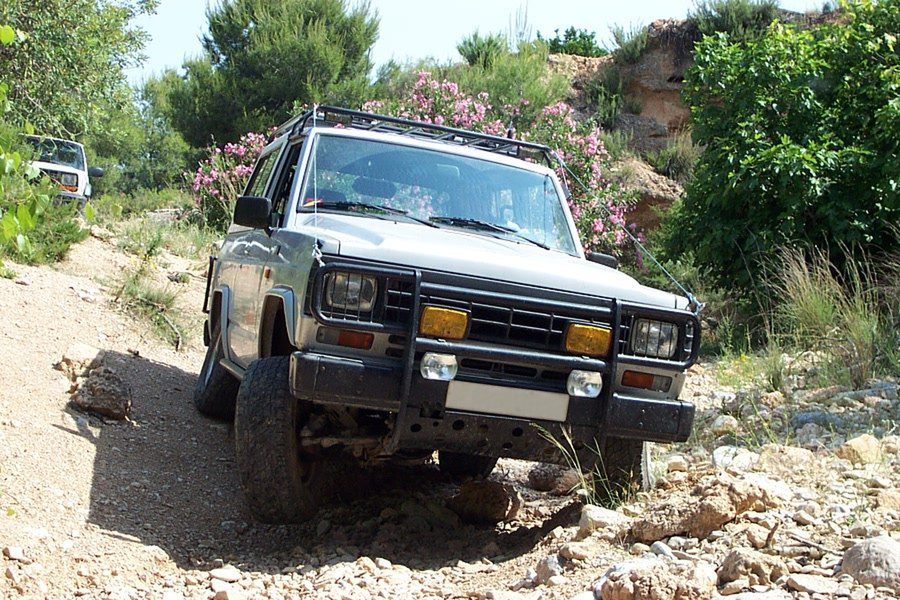
The 1983 facelift turned the 160 into the 161. Wikipedia says the Australian 'MK' label never appeared in Nissan literature or parts catalogues. Rectangular headlights replaced round ones, the front suspension was upgraded and most models got a fifth gear. A high-roof wagon arrived, along with the SD33T turbo-diesel, which 4X4 Australia lists at 81 kW and 255 Nm. Wikipedia says the turbo engines got a larger clutch and oil cooler, and that the naturally aspirated SD33 switched to three-ring pistons, oil squirters and a spin-on oil filter. The Datsun badge disappeared in 1984 in most markets.
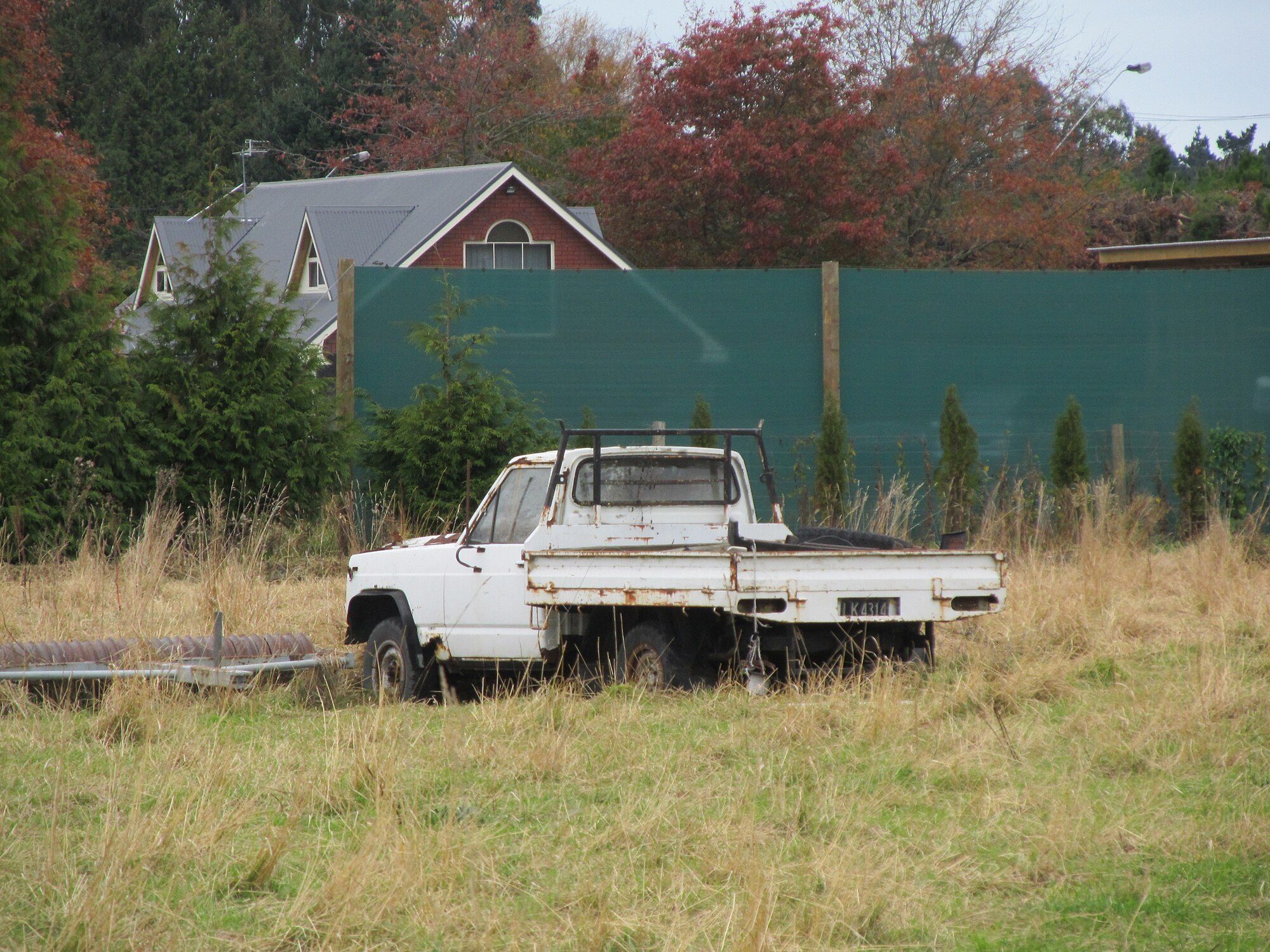
By 1985, GoAuto counts 21 Australian variants, from a two-seat rural hardtop to a seven-seat Deluxe wagon. Power steering and a limited-slip rear differential were standard by then. 4X4 Australia remembers the bright colours and 'loud' graphics of the era. GoAuto also lists an updated P40 petrol rated at 84 kW and 270 Nm by 1985. Owners also list the MK's extra inner-guard bracing, stepped rear shackles and bigger front shackle bolts among the differences.
SPAIN, IRAN AND THE LONG TAIL
Nissan bought into Spain's Motor Ibérica in 1980, and the first Spanish-built Patrol left the Zona Franca plant near Barcelona in early 1983, according to Wikipedia. To meet local-content rules it used a Spanish Perkins MD27 four-cylinder diesel, later replaced by the Nissan-built 2.8-litre A428 and its turbocharged version. Spain's facelifted version became the 260, built into the 2000s. Wikipedia also lists 160 production in Iran by Pars Khodro (1984–2003), South Africa (1983–1991) and the Philippines.
The coil-sprung Y60 'GQ' replaced the 160 from 1987, and forum regulars still tell would-be MQ buyers to 'buy a GQ' instead. Owners on NissanPatrol.com.au report MKs passing 780,000 and even 900,000 km on their original engines, along with rust bad enough that the trucks can't be driven without serious welding. Both stories are typical of the 160. Today it's the cheapest way into an old-school leaf-sprung Patrol, and the parts that matter most (swivel-hub kits, springs and bearings) are still sold for it in Australia.
SIDEBAR · PARIS–DAKAR 1987
Car 211 and the diesel class win
Nissan says its 1987 Paris–Dakar Patrol, car 211, driven by Miguel Prieto with Ramon Termens, finished ninth overall and won the diesel category. It was the first diesel to finish the event inside the top ten. The sister car, 212, crewed by Jorge and Hansi Babler, retired after rolling down a dune.
Nissan's restoration release lists a 2,800 cc four-cylinder turbodiesel making 146 hp in a 1,600 kg truck. Nissan doesn't name the engine. A 2.8-litre four matches the Perkins-derived A428T that Wikipedia says Spanish-built Patrols used, rather than the Japanese and Australian SD33 sixes. The car was later restored at Nissan's technical centre in Barcelona.